
Veteran homelessness can seem difficult to understand. Veterans have access to VA programs, nonprofit organizations, and community resources, so why do some still struggle to find or keep a home? The answer is rarely one problem. Housing instability often develops when financial hardship, health concerns, employment challenges, and limited access to support overlap. Even a veteran who has maintained stable housing for years can face a crisis after an unexpected expense, job loss, illness, or family emergency.
At National Veterans Homeless Support (NVHS), we understand that ending veteran homelessness requires more than providing a temporary place to sleep. It requires prevention, outreach, housing assistance, and connections to resources that help veterans and their families regain stability. Our work in Central Florida focuses on meeting veterans where they are and helping them move toward safe, sustainable housing.
Understanding why veteran homelessness persists is only part of the solution. NVHS works to prevent and end veteran homelessness through transitional housing, rental assistance and eviction prevention, temporary shelter and housing referrals, and Search & Rescue outreach for veterans experiencing homelessness. These programs provide immediate resources while helping veterans move toward safe, stable housing.
Volunteer with NVHS or Donate to Support Veterans and help us build stronger pathways to housing stability.
Why Does Veteran Homelessness Still Exist?
Veteran homelessness has no single cause. Each veteran’s circumstances are different, and several pressures may build over time before someone loses stable housing. Some veterans experience homelessness after a crisis, while others face years of financial, health, or personal challenges.
Understanding these interconnected pressures helps explain why existing programs, while essential, cannot solve every situation on their own.
Housing Costs and Financial Hardship
The cost of maintaining a home can create serious challenges for veterans and their families. Rent, utilities, transportation, food, and medical expenses compete for limited income. When housing costs rise faster than wages or benefits, even a small emergency can put a household at risk.
A veteran may face eviction after losing a job, falling behind on rent, or receiving an unexpected medical bill. Others may live in unstable housing arrangements with friends or relatives before becoming homeless. Without timely assistance, a temporary financial setback can become a much larger housing crisis.
Health and Personal Challenges
Physical disabilities, chronic health concerns, mental health challenges, and substance-use issues can affect a veteran’s ability to maintain employment, manage finances, or secure housing. These challenges do not cause homelessness in every case, but they can increase vulnerability when a veteran lacks appropriate support.
Family separation, domestic conflict, the loss of a loved one, or other major life changes can also disrupt housing stability. Veterans may face additional difficulties when they have limited social support or do not know where to seek help.
Employment and the Transition to Civilian Life
Leaving military service can involve significant changes in income, routine, identity, and access to familiar support systems. Some veterans face challenges transferring military experience into civilian employment or finding work that accommodates disabilities and health needs.
Employment difficulties can become especially serious when a veteran has limited savings or depends on a single income. Education, career resources, benefits, and community connections can help veterans navigate these changes, but finding and accessing the right support may take time.
Difficulty Accessing Available Resources
VA programs and nonprofit services provide critical assistance, but having resources available does not always mean a veteran can access them easily. Eligibility requirements, documentation, transportation, wait times, technology barriers, and uncertainty about where to begin can prevent someone from receiving help.
A veteran experiencing homelessness may also be focused on immediate needs, such as finding food, staying safe, or securing a place to sleep. Under those circumstances, completing applications and coordinating multiple services can feel overwhelming.
Homelessness often persists when several challenges reinforce one another. A veteran who loses housing may struggle to keep a job, manage health needs, store important documents, or attend appointments. Without a stable foundation, resolving the other problems becomes more difficult.
How NVHS Helps Address the Causes of Veteran Homelessness
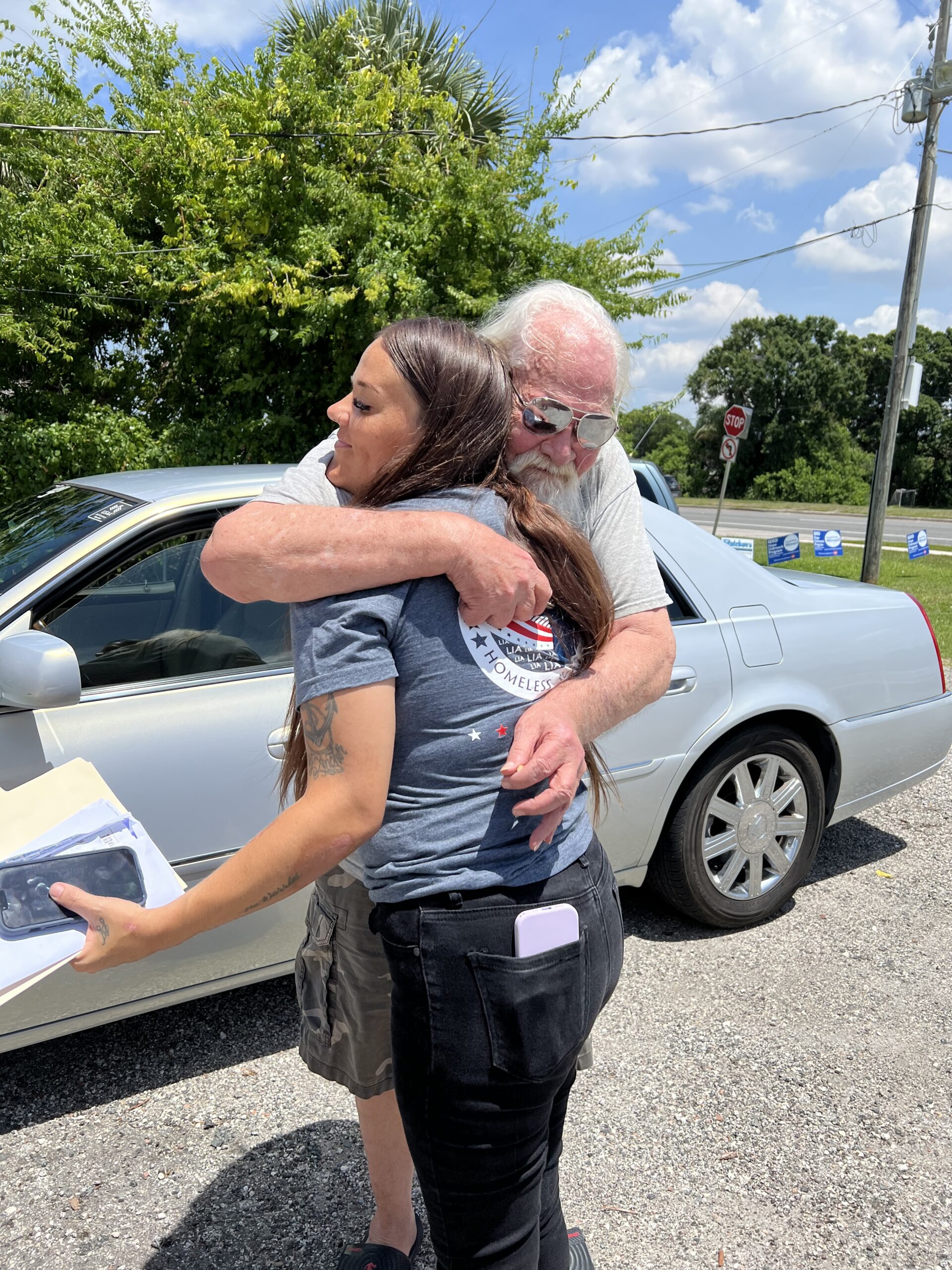
Our mission is to eliminate homelessness among veterans in Central Florida. We pursue that mission by addressing both immediate needs and the circumstances that can lead to long-term housing instability. Since 2008, our work has helped significantly reduce veteran homelessness in Brevard County, but continued community support remains essential.
Prevention Case Management Helps Veterans Stay Housed
Preventing homelessness before it happens can be one of the most effective ways to protect a veteran’s stability. Our prevention case management services help identify urgent needs and connect eligible veterans with appropriate resources.
Depending on the situation, support may include assessing housing risks, connecting veterans with rental assistance, helping address essential expenses, and referring them to community programs. When partner resources are unavailable, NVHS may provide financial support to help eligible veterans facing temporary hardship avoid eviction or loss of power.
Early assistance can give a veteran time to resolve a financial problem before it becomes an eviction, displacement, or prolonged housing crisis.
Street Outreach Connects With Veterans Who Need Help
Some veterans experiencing homelessness live in places that make them difficult to locate or reach. They may stay in wooded areas, vehicles, camps, or temporary arrangements rather than traditional shelters.
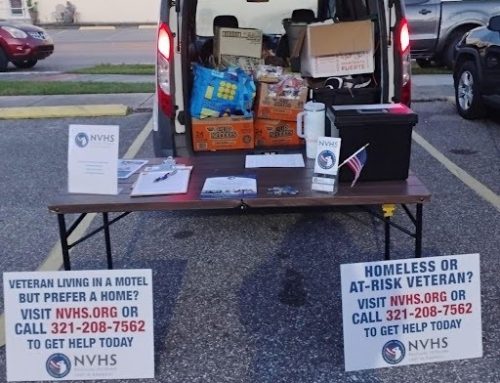
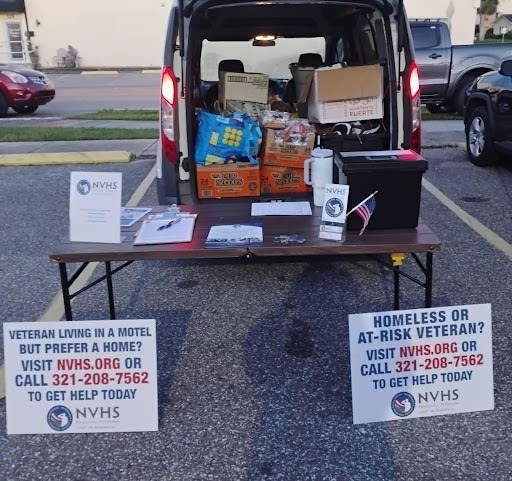
Our Search and Rescue program provides direct, street-level outreach to help locate homeless veterans and connect them with essential support. Our outreach efforts may provide:
- Food, hygiene kits, clothing, and other necessities.
- Survival supplies for veterans living outdoors.
- Connections to housing programs and temporary shelter options.
- Referrals to benefits, healthcare, and other community resources.
- Guidance toward services that can support longer-term stability.
Outreach builds an important connection with veterans who may not know where to turn or feel ready to seek assistance. Meeting people where they are lets us address immediate needs while helping them identify next steps.
Transitional Housing Creates a Foundation for Stability
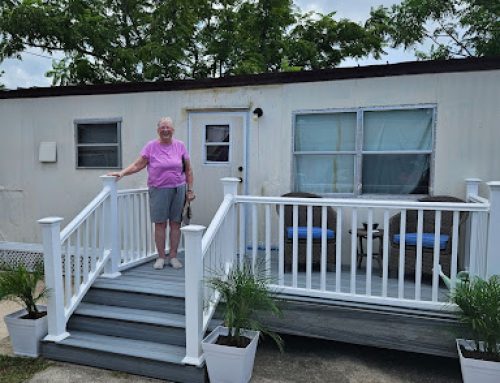
Finding a safe place to stay can make it easier for a veteran to focus on employment, health, finances, and permanent housing. Our Transitional Housing Program provides temporary supportive housing for eligible veterans experiencing homelessness.
Transitional housing offers more than shelter. It creates an opportunity to establish routines, work toward housing goals, and connect with resources that support greater independence. We also help connect veterans with temporary shelter options and other housing resources through our network of community partners.
Resource Education and Referrals Help Veterans Navigate Support
No single organization can provide every service a veteran may need. That is why referrals and resource education play an important role in our work.
We help veterans understand available options and connect with appropriate providers for needs such as healthcare, benefits, housing, and other forms of assistance. Our goal is not simply to provide a list of phone numbers. We help veterans identify practical next steps and navigate resources that may otherwise feel difficult to access.
What Can You Do to Help End Veteran Homelessness?
Community involvement can directly support the resources veterans need to remain housed and regain stability. Volunteer time can strengthen outreach and events. Financial donations help sustain prevention and housing-focused services, while in-kind giving can meet verified basic-needs priorities. Community organizations can also expand awareness, encourage participation, and connect more veterans with available resources.
Volunteer Your Time and Skills
Volunteers help organizations like ours extend their reach and serve veterans more effectively. Depending on current needs and opportunities, you may be able to support outreach activities, organize supplies, assist with events, or contribute professional skills.
Volunteering also creates education opportunities. By learning more about veteran homelessness, you can challenge misconceptions, recognize signs of housing instability, and share accurate information with your family, workplace, or community.
Volunteer with NVHS to discover how your time and skills can support veterans in Central Florida.
Donate to Support Practical Solutions
Financial contributions help sustain the programs and resources veterans need during difficult moments. Donations can support prevention assistance, outreach supplies, transitional housing, and other services that help veterans move toward stability.
A donation can address an immediate need while also supporting the broader work required to prevent homelessness and connect veterans with long-term solutions. Consistent community giving helps us respond to changing needs and continue serving veterans and their families.
Encourage Community and Organizational Participation
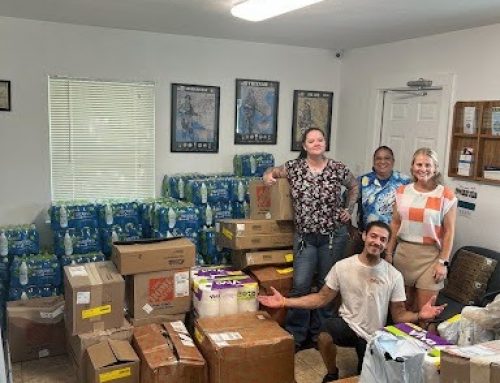
Organizations, businesses, schools, faith communities, and civic groups can help strengthen local support systems. Your group might organize a supply drive, sponsor an NVHS initiative, provide volunteers, share educational resources, or support veterans through community events.
Employers can also help by learning about veteran employment needs and creating welcoming opportunities for veterans transitioning into civilian careers. Community members can make a difference by treating veterans with dignity, listening without judgment, and helping connect someone in need with appropriate resources.
Why Ending Veteran Homelessness Requires All of Us
Veteran homelessness persists because housing instability rarely results from one isolated problem. Financial hardship, health concerns, employment barriers, difficult transitions, and limited access to resources can intersect in ways that leave veterans without a safe place to live. Effective solutions must address those challenges together.
At NVHS, we respond through prevention case management, street outreach, transitional housing, housing referrals, and resource education. Our work helps veterans address immediate needs while pursuing greater stability in Central Florida. However, lasting progress depends on a community that understands the issue and takes action.
You can help prevent homelessness before it happens, connect a veteran with support, provide essential resources, or strengthen the services that make stability possible. Your involvement matters whether you contribute an hour, organize a community effort, or make a financial donation.
Donate to NVHS or Volunteer with Our Team today. Together, we can help more veterans find safety, stability, and a path toward stable housing.