Recovery involves more than stopping substance use. For many veterans, lasting recovery also means finding safe housing, addressing health concerns, rebuilding relationships, and building a daily routine that supports long-term well-being. Without these foundations, even meaningful progress can become difficult to maintain.
A veteran may complete treatment but return to unstable housing. Someone working toward recovery may struggle to manage medical appointments while living outdoors. Another veteran may want help but feel isolated from family, friends, or trusted professionals. These circumstances do not reflect a lack of effort. They demonstrate how closely recovery connects with the conditions in which a person lives.
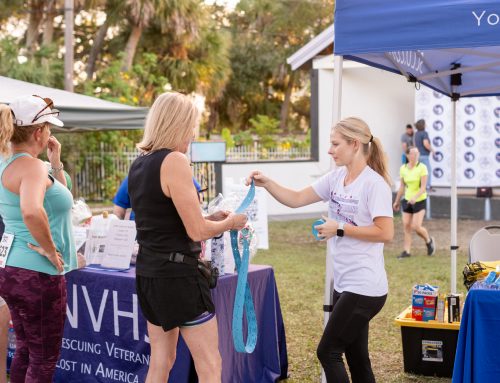
National Recovery Month offers an opportunity to build awareness around these realities. At National Veterans Homeless Support (NVHS), we recognize that housing stability and community connection can play an important role in a veteran’s broader recovery journey. Our work focuses on homelessness prevention, outreach, housing support, and resource connections in Central Florida. We do not provide clinical addiction treatment, but we help address housing-related barriers and connect veterans with appropriate community resources.
When we understand recovery more fully, we can replace judgment with informed support and take practical steps that help veterans pursue stability.
Volunteer with NVHS or Donate to Support Veterans to help strengthen the housing and community resources veterans need to move forward.
What Does Recovery Mean for Veterans?
Recovery Is a Personal, Ongoing Process
Recovery can look different for every veteran. For someone experiencing a substance use disorder, it may involve reducing or stopping substance use with professional support. For another person, recovery may focus on managing mental health concerns, rebuilding daily routines, improving physical health, or reconnecting with loved ones.
The Substance Abuse and Mental Health Services Administration (SAMHSA) describes recovery as a process of change that helps people improve their health and wellness, live self-directed lives, and work toward their full potential. This broader understanding recognizes that people can pursue recovery through different pathways, including clinical treatment, medication, peer support, family support, and other forms of assistance.
Recovery also does not follow a perfectly predictable timeline. Progress may include setbacks, changing goals, or periods when a person needs additional support. A respectful approach recognizes the individual’s choices, circumstances, and strengths rather than defining them by a diagnosis or past substance use.
National Recovery Month Encourages Education and Awareness
National Recovery Month takes place each September and promotes awareness of recovery, evidence-based treatment, and the contributions of individuals, families, providers, and communities. Its purpose extends beyond sharing messages of encouragement. It creates an opportunity to learn what recovery involves and how people can support it responsibly.
For veterans and their families, this education can help clarify the difference between substance use treatment, mental health care, housing assistance, and community support. Each service addresses different needs, and effective recovery may require coordination among several providers.
How Housing Stability Supports Recovery
A Safe Home Provides More Than Shelter
A stable home can create the foundation a veteran needs to focus on health, treatment, relationships, and personal goals. When someone does not know where they will sleep, it becomes harder to maintain routines, protect medication, attend appointments, prepare meals, or manage everyday responsibilities.
SAMHSA identifies “home” as one of four major dimensions of recovery, alongside health, purpose, and community. A safe and stable place to live can support the other dimensions by giving a person greater security and room to pursue meaningful goals.
Housing does not resolve every challenge, but it can reduce the instability that makes other challenges harder to address. For a veteran working toward recovery, stable housing may provide the time and structure needed to participate consistently in professional care and other support services.
Financial Stability Reduces Additional Pressure
Rent, utilities, transportation, food, and medical expenses can place significant pressure on veterans and their families. An unexpected bill or loss of income may threaten housing, even when someone is actively working toward recovery.
Housing instability can create additional stress and make it harder to maintain treatment plans or meet other personal goals. Prevention assistance and connections to community resources can help ease some of these pressures before they lead to eviction or homelessness.
The Protective Factors That Support Lasting Progress
Recovery becomes more sustainable when people have access to resources and relationships that support their health, safety, and independence. These protective factors do not guarantee a particular outcome, but they can help reduce isolation and make it easier to respond to challenges.
Key Supports That Can Strengthen Recovery
Several factors may help veterans maintain progress and navigate difficult periods:
- Stable housing: A safe home supports rest, routine, privacy, and consistent access to personal belongings and medications.
- Professional healthcare: Qualified providers can assess substance use, mental health, and physical health concerns and recommend appropriate treatment.
- Supportive relationships: Trusted family members, friends, peers, and community members can reduce isolation and encourage.
- Purpose and routine: Employment, education, volunteering, caregiving, and other meaningful activities can support confidence and a sense of direction.
- Reliable transportation and communication: Access to transportation, a phone, and other practical tools can make it easier to attend appointments and maintain connections.
- Consistent follow-through: Coordinating referrals, attending appointments, and checking in with support networks can help people stay connected to care.
These supports work together. A veteran may have access to treatment but struggle to attend appointments because of transportation problems. Another may have supportive family members but lack stable housing. Recognizing these connections helps communities respond to the full situation instead of focusing on one issue.
How NVHS Supports Veterans and Their Families
Connecting Housing Support With Broader Community Resources
Our work at NVHS centers on helping veterans experiencing homelessness or facing housing instability in Central Florida. We understand that housing concerns can overlap with financial hardship, health challenges, and other personal circumstances.
Through our programs, we help address housing-related needs and connect veterans with resources that may support greater stability. Our services include:
- Prevention case management: We assess housing risks and help connect eligible veterans with resources. When partner resources are unavailable, we may provide financial assistance for qualifying temporary hardships, including eviction prevention or loss of power.
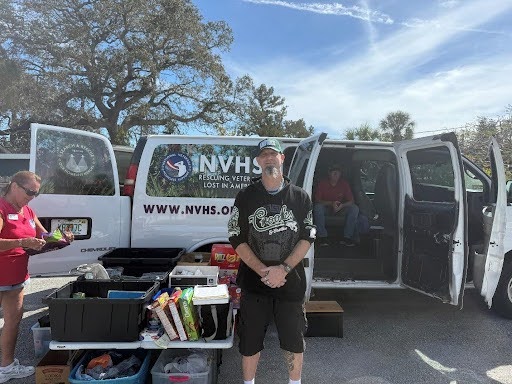
- Street outreach: We connect with veterans experiencing homelessness and help provide essential supplies, information, and referrals to appropriate services.
- Transitional housing: We offer temporary housing support for eligible veterans experiencing homelessness while they work toward greater stability.
- Housing and resource connections: We help veterans identify appropriate housing options, community services, and referrals based on their circumstances.
Our role is to help address housing barriers and connect veterans with the right support. We are not a clinical addiction treatment provider, and veterans seeking substance use or mental health treatment should work with qualified healthcare professionals.
Why Coordination Matters
A veteran may need several types of assistance at once. Housing support can help address immediate instability, while healthcare providers address clinical needs. Other organizations may provide transportation, employment resources, counseling, or peer support.
When organizations and community members understand their roles, they can help veterans navigate services without expecting one program to solve every challenge. This coordinated approach respects the complexity of recovery and makes it easier for veterans to pursue goals that matter to them.
Support NVHS through volunteering or donations and help us strengthen the housing resources and community connections that veterans need.
Verified Recovery Resources for Veterans and Families
Knowing where to seek help can make an important difference. Veterans and their families should consider the following trusted resources when they need professional care, information, or immediate support.
VA Mental Health and Substance Use Services
The U.S. Department of Veterans Affairs offers evidence-based treatment for substance use disorders, including counseling, medications, and residential rehabilitation programs. VA services can also address co-occurring mental health concerns, physical health needs, and other challenges that affect recovery.
Veterans can:
- Contact a VA medical center or ask a primary care provider about substance use or mental health services.
- Explore VA substance use treatment programs.
- Contact a Vet Center for counseling, readjustment support, and substance use assessment or referral.
- Learn about VA residential rehabilitation for more structured support.
Visit the VA’s substance use treatment resources to explore available options.
SAMHSA’s National Helpline
SAMHSA’s National Helpline provides free, confidential information and treatment referrals for people experiencing mental health or substance use concerns. For Veterans seeking substance use treatment, VA healthcare should be the first resource when eligible, as enrollment can provide access to VA treatment options and services. Learn more about substance use treatment through the U.S. Department of Veterans Affairs VA Substance Use Problems and Treatment.
SAMHSA can also serve as a general national resource for National Recovery Month information and non-Veteran treatment resources.
Immediate Crisis Support
If a veteran is experiencing a mental health crisis or having thoughts of suicide, support is available through the Veterans Crisis Line:
- Call 988 and press 1.
- Text 838255.
- Use the confidential online chat through the Veterans Crisis Line.
If someone faces immediate physical danger or a suspected overdose, call 911. Naloxone can reverse an opioid overdose, and veterans or families concerned about opioid exposure should ask a healthcare professional or pharmacist about obtaining it.
How You Can Support a Veteran’s Recovery
Replace Judgment With Practical Support
Family members, friends, employers, and community organizations can help by listening respectfully, avoiding assumptions, and encouraging veterans to connect with qualified professionals. Support does not mean taking control of someone’s recovery or expecting immediate results. It means recognizing their dignity, respecting their choices, and helping them find appropriate assistance when they want it.
You can also contribute by learning about veteran homelessness, sharing verified resources, and understanding how housing stability affects health and well-being. Education and awareness become more meaningful when they lead to informed action.
Participate in Community Solutions
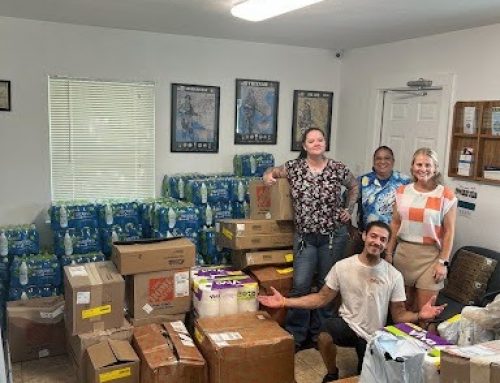
Our community needs people who understand that recovery and housing stability often depend on a support network. You can help by volunteering with NVHS, donating to our programs, organizing a supply drive, or encouraging your organization to support veterans facing homelessness.
These actions do not replace clinical treatment, but they can help address practical barriers that affect a veteran’s ability to pursue recovery. A stable home, reliable resources, and a supportive community can provide important foundations for the next step.
Recovery Needs Stability, Understanding, and Community
National Recovery Month reminds us that recovery involves more than substance use alone. Veterans may need housing, healthcare, supportive relationships, meaningful routines, and reliable access to professional resources to pursue lasting well-being. Recognizing these connections helps reduce stigma and encourages more thoughtful community support.
Our work at NVHS focuses on the housing and stability needs that can affect veterans and their families. Through prevention, outreach, transitional housing, and resource connections, we address practical challenges while connecting veterans with appropriate services. We believe informed participation can strengthen the support network that makes recovery possible.
You can help create that support. Learn more, share reliable information, volunteer your time, or donate to help veterans facing housing instability.
Volunteer with NVHS or Donate today to help us provide meaningful housing support and stronger community connections for veterans in Central Florida.