Finding the right support can be difficult when a veteran is experiencing homelessness or fears losing their home. A veteran may know they need help but not know which program fits their situation, where to begin, or what happens after the first conversation. For donors, volunteers, and referral partners, the range of NVHS programs can also appear fragmented when each service is viewed separately.
We take a connected approach. Our work can begin with street outreach or a veteran reaching out for help, then move through assessment, resource connections, housing-focused support, and continued case coordination based on the veteran’s circumstances. This pathway helps us meet veterans where they are while connecting immediate needs to longer-term housing stability. Our goal is to make that process easier to understand because clear communication supports transparency, strengthens stewardship, and helps veterans and referral partners know what to expect.
Help us connect veterans with the support they need. Donate or volunteer today.
Where the support process begins
Outreach can be the first connection.
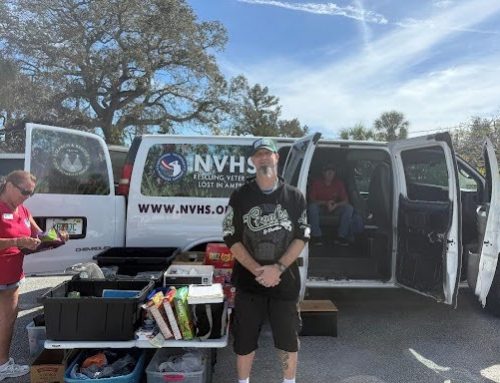
Some veterans experiencing homelessness may not know where to find help or may be living outside traditional service systems. Our Search & Rescue program uses street outreach to identify and connect with veterans experiencing homelessness or housing instability. We can provide immediate basic-needs support, assess housing and support needs, and connect veterans with appropriate resources.
That first interaction does not have to solve every problem at once. Outreach creates an opportunity to understand the veteran’s situation and determine what kind of support or referral may be appropriate.
Other veterans may contact us directly because they are facing eviction, financial hardship, or another threat to their housing. Our prevention work provides another entry point for people who still have housing but are at risk of losing it.
The starting point depends on the veteran.
No single circumstance defines housing instability. A veteran may be sleeping outside, staying temporarily with someone else, facing eviction, or dealing with financial hardship that threatens their ability to remain housed.
That is why we do not treat every person who contacts us as though they need the same program. The first step is understanding where the veteran is now and what barriers are affecting their housing situation.
Assessment helps identify the right next step.
Understanding the situation comes before choosing support.
Once a veteran connects with us, assessment helps clarify the circumstances surrounding their housing situation. This can include understanding housing status, immediate needs, financial challenges, and the resources that may be relevant to their situation.
Our case management approach can help identify appropriate programs and referrals. For veterans who may qualify for outside programs such as Supportive Services for Veteran Families, we can help them understand their options and connect them with the appropriate provider.
This step matters because a veteran may need a combination of support rather than one service. Someone facing eviction may need prevention case management and financial assistance, while someone living outdoors may need immediate supplies, shelter connections, and housing-focused support.
Assessment creates a clearer path forward.
A clear assessment helps reduce confusion for everyone involved. Veterans can better understand what options may be available, referral partners can provide more informed connections, and our team can focus support where it is most appropriate.
We also recognize the importance of describing our role accurately. We connect veterans with benefits and support services, but we do not promise eligibility or guaranteed access to a particular benefit. When a specialized service falls outside our role, connecting a veteran with the appropriate organization is part of responsible support.
Referrals connect veterans with additional resources.
No single organization provides every solution.
Housing instability can involve financial, employment, family, transportation, and other challenges. Addressing those barriers may require resources beyond what NVHS directly provides.
Our role can include connecting veterans with housing programs, shelter options, benefits resources, and other community services. Our local veteran resource information includes organizations and programs that address housing, food, utilities, employment, healthcare, and other needs.
This referral network allows us to focus on the areas where we can provide direct support while helping veterans identify additional resources that may fit their circumstances.
Referrals can keep support moving.
A referral should not simply mean handing someone a phone number and ending the conversation. Effective resource connection helps a veteran understand what the resource is intended to provide and what next steps they may need to explore.
For donors and partners, this is an important part of understanding NVHS’s work. Our impact includes both direct services and the connections that help veterans navigate a broader network of community support.
Housing-focused support addresses immediate instability.
Prevention can help veterans remain housed.
Veterans do not have to wait until they lose their homes to seek help. Our prevention services assist veterans facing eviction, sudden job loss, medical hardship, or other circumstances that threaten housing stability. We provide prevention-focused case management and may provide financial assistance for rent or utilities when appropriate and available.
The purpose is to address housing instability before it escalates into homelessness. A veteran who remains housed may avoid the additional challenges that can accompany losing a home, including finding emergency shelter and rebuilding stability from an even more difficult starting point.
Transitional housing provides another step toward stability.
When a veteran has already lost housing, transitional housing can provide a structured environment while longer-term stability takes shape. NVHS currently operates four transitional housing properties in Brevard County with 17 beds. The program provides temporary housing alongside case management, referrals, and other supportive services.
Transitional housing is not simply a place to stay. It can give veterans greater stability while they work toward their next housing solution and address barriers that may have contributed to their homelessness.
Case coordination keeps the focus on stability.
Support can involve multiple steps.
Housing placement is an important milestone, but it does not necessarily resolve every barrier a veteran faces. Case management and resource coordination can help veterans continue working toward stability after immediate housing needs are addressed.
Depending on the circumstances, support may involve:
- Housing referrals and stability planning
- Connections to benefits and community resources
- Financial assistance or financial education
- Landlord mediation when appropriate
- Basic-needs assistance
- Transitional housing support
- Connections to employment or other community resources
- Referrals for specialized healthcare or mental health services
Our goal is to help veterans understand their options and connect with resources that can support their individual circumstances. We do not provide clinical mental health treatment or manage a veteran’s entire clinical recovery. Those services may come from VA providers, licensed professionals, or appropriate partner organizations.
Continued support reinforces stability.
The path does not necessarily end when a veteran moves into housing. Stable housing creates a foundation that makes other challenges easier to address.
Our transitional housing program combines housing with case management and resource referrals to help veterans work toward greater independence.
That broader approach reflects why our programs should be viewed as connected pieces of a support system, not isolated services.
Your support helps us connect veterans with resources, housing assistance, and stability-focused services. Donate or volunteer today.
What this pathway means for donors and partners
Transparency makes the work easier to understand
When supporters see individual programs without context, it can be difficult to understand how their contributions support the broader mission. Showing the pathway from outreach to stability provides a clearer picture.
A donor can see that support may help fund the outreach that identifies a veteran, the case management that assesses their situation, the resources that address immediate needs, or the housing-focused assistance that helps them move toward greater stability.
This does not mean every veteran follows the same sequence. The appropriate pathway depends on their circumstances. Instead, the process provides a high-level framework for understanding how our programs work together.
Stewardship means explaining the work clearly.
Stewardship is more than thanking people for donating. It means communicating responsibly about what their support helps make possible.
Our financial transparency page reports that we track measures such as veterans served, housing placements, financial assistance distributed, and other program outcomes.
Providing this information alongside explanations of our programs helps donors and partners understand both the resources involved and the work those resources support.
A connected approach to veteran support
From first contact to a more stable future
Our support pathway can be understood at a high level as:
First contact or outreach → assessment → referrals and resource connections → housing-focused support → case coordination → continued stability.
The pathway may begin with a Search & Rescue outreach team finding a veteran living outside, or with a veteran contacting us because they are at risk of losing their home. From there, we work to understand the situation and identify appropriate support.
That support may include prevention case management, emergency basic-needs assistance, housing and shelter referrals, financial assistance when appropriate, or transitional housing. Additional referrals can connect veterans with organizations that provide services outside our scope.
The purpose is to create a clearer route from immediate need toward greater housing stability.
Helping veterans move from crisis toward stability
Veteran homelessness does not have one cause, and supporting veterans does not have one universal solution. Some veterans need outreach and immediate supplies. Others need prevention assistance to remain in their homes. Some need transitional housing and coordinated support while they work toward a permanent housing solution.
Our role is to meet veterans where they are, understand their circumstances, connect them with appropriate resources, and provide housing-focused support where we can. This connected approach helps make our work more understandable to veterans, referral partners, donors, and volunteers across Central Florida.
Clear pathways also strengthen transparency and stewardship. When our community understands how outreach, assessment, referrals, housing support, and case coordination fit together, it becomes easier to see how individual acts of support contribute to a broader mission.
Donate or volunteer today and help us connect Central Florida veterans with the support and housing stability they need.