Reaching out for help can feel like a major decision, especially when you do not know what will happen after you make contact. Veterans and families may wonder whether they qualify, what documents they need, whether asking for help will affect their privacy, or whether National Veterans Homeless Support can actually address their situation. Those questions can lead people to wait until a housing crisis becomes much harder to manage.
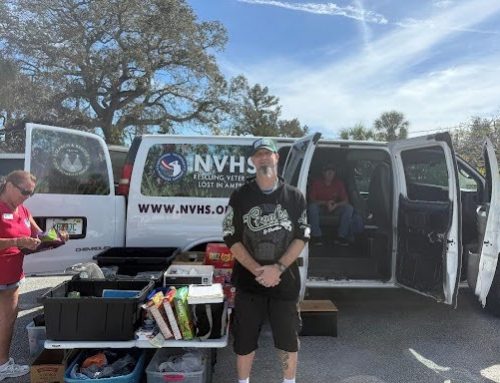
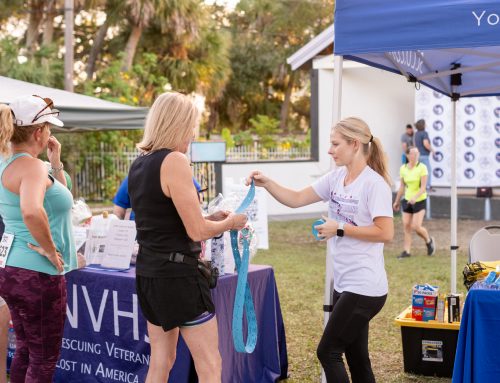
We want veterans and their families to know that asking questions is a reasonable first step. We provide street outreach, prevention case management, transitional housing, housing assistance and resource connections, emergency supplies, and connections to benefits and other community services for veterans in Brevard County. Since 2008, we have helped reduce veteran homelessness in the county by 90%.
Clear information can make it easier to take action during a temporary financial hardship or when experiencing homelessness. If you’re a veteran facing possible eviction, loss of power, or homelessness, use our Get Help page to connect with support and explore available options.
What Should I Expect When I Contact NVHS?
Will someone judge me or expect me to have everything figured out?
No. You do not need to understand every program, eligibility requirement, or next step before contacting us. Our role includes helping veterans understand available resources and determining what type of assistance or referral may fit their circumstances.
Housing problems can develop quickly. A missed payment, unexpected expense, loss of income, or other setback can put a veteran or family at risk. Reaching out earlier gives us more time to explore available options instead of waiting until housing has already been lost.
What happens after I contact NVHS?
The next step depends on your situation. We may ask questions about your housing circumstances, household, income, veteran status, and immediate needs to understand better what resources may apply.
We provide several forms of support, including:
- Street outreach and Search & Rescue for veterans experiencing homelessness
- Prevention-focused case management
- Transitional housing support for eligible veterans and families
- Housing assistance and resource connections
- Emergency supplies and basic needs support
- Connections to benefits and community services
- Referrals to appropriate programs when another organization is better positioned to help
Our goal is to connect you with an appropriate path forward, not leave you to figure out the system on your own.
Do I Qualify for Help From NVHS?
Do I have to be homeless before I can contact you?
No. We work with homeless and at-risk veterans and their families. In many situations, reaching out before homelessness occurs provides more time to identify prevention resources and housing solutions.
Supportive Services for Veteran Families, or SSVF, is one example of a homelessness-prevention program available through the Department of Veterans Affairs. NVHS does not administer SSVF or make its eligibility decisions, but we can help veterans in Brevard County understand where to begin and connect with appropriate housing-focused resources.
What if I am not sure whether I qualify?
Contact us anyway. Eligibility depends on the specific program and circumstances, so assuming you don’t qualify can keep you from discovering resources that may be available.
For SSVF, eligibility decisions come from the approved local provider and depend on factors such as veteran status, household income, housing circumstances, and applicable VA requirements. We can help you understand the process and identify the appropriate next step.
Does NVHS serve veterans outside Brevard County?
Our direct services focus on veterans in Brevard County. If you live outside our service area, we can point you toward resources that may be available in your community, including the appropriate VA or local provider. Our broader veteran resource guide also provides information for communities throughout Central Florida.
If you are homeless or facing eviction, reach out today, and let us help you find the right place to start.

What Information Should I Have Ready?
Do I need paperwork before I contact NVHS?
You can begin the assistance process even if you do not have every document in hand. However, NVHS must verify veteran status and your financial situation before it can process an application. Gathering available documents upfront can help save time and keep your application moving.
Documents That Can Help You Get Started
Providing documentation early can make the application process more efficient. Depending on your situation and the type of assistance you need, you may need documents such as:
- Proof of veteran status
- Housing or utility documentation
- Proof of income or financial hardship
- Other program-specific forms or records
Don’t Have Every Document?
You should still reach out if you are missing a document. For example, if you do not have your DD214, NVHS can help you request a copy. The important step is to provide the documentation you have and let the team know what you still need.
Gathering Documents Can Save Time
Having your available documents ready when you apply can help NVHS verify your eligibility and financial situation more efficiently. It can also reduce delays caused by having to gather information later.
If you are missing documentation, don’t let that stop you from asking for help. Start with what you have, and NVHS can help you understand what additional information you may need.
What Does NVHS Provide, and What Does It Not Provide?
Does NVHS decide eligibility for every veteran program?
No. Some programs have their own eligibility requirements and approved providers. SSVF, for example, is a VA program, and the local SSVF provider determines eligibility according to VA requirements. NVHS can help veterans understand available housing-focused resources and make appropriate referrals, but we do not determine SSVF eligibility.
Can NVHS provide every type of assistance a veteran might need?
No single organization provides every service. We focus heavily on homelessness prevention, outreach, housing stability, transitional housing, basic needs, and connections to other resources.
When another agency has the appropriate service, we can help connect veterans with that resource. Our veteran resource information includes housing, healthcare, benefits, legal, education, family, and other community resources because a veteran’s needs may extend beyond what one organization can provide.
Can NVHS Provide Immediate Emergency Help?
What to Expect From an NVHS Housing Referral
- NVHS operates during established business hours.
- Housing referrals generally take one or more days.
- Some referrals can take up to a week.
- The timeline depends in part on how quickly the housing provider connects with the veteran.
If you are a veteran experiencing an immediate housing crisis, the National Call Center for Homeless Veterans provides confidential, nationwide assistance 24 hours a day. Veterans, family members, caregivers, friends, and advocates can call 1-877-4AID-VET (1-877-424-3838) to connect with VA housing resources and local providers.
If you are in immediate danger or experiencing a medical emergency, use emergency services appropriate to your situation rather than waiting for a local nonprofit response.
Is My Information Kept Confidential?
What happens to my personal information?
We understand that contacting an organization about housing, finances, or personal circumstances requires trust. NVHS states that information submitted through its assistance process is stored securely and will not be shared without permission. Program-specific requirements may determine what information must be shared to provide a service or referral, so we encourage veterans to ask questions if they are unsure how their information will be used.
The National Call Center for Homeless Veterans also describes its service as confidential and does not require a VA health record to begin a call.
Start Before the Situation Becomes a Crisis
Seeking assistance early does not mean you have failed. It means you are taking action while there may still be more options available. The same principle applies to fall support and year-round community resources: clear information and earlier connections can give veterans and families more time to make informed decisions.
We want every veteran and family who contacts us to understand what we can provide, what we cannot, what information may be needed, and where another organization may be a better fit. That transparency helps us build trust while making the process less intimidating.
If you are facing housing instability, worried about losing your home, already experiencing homelessness, or helping a veteran who needs direction, you do not have to wait until you have every answer. Reach out today to get help and learn what to expect, what resources may be available, what information to prepare, the limitations of emergency assistance, how confidentiality works, and how our Resource Navigator can help you take the next step.