
When a veteran faces homelessness or a housing crisis, immediate help can make an important difference. A safe place to stay, emergency assistance, food, clothing, or a connection to a local resource can address an urgent need. But resolving today’s crisis does not always resolve the challenges that created it.
Long-term stability often requires more than one intervention. Veterans may need help navigating resources, addressing housing barriers, connecting with benefits, and building a plan for what comes next. Our role at National Veterans Homeless Support is to meet veterans where they are while helping connect them with the appropriate support for their circumstances. That work requires patience, consistency, and community involvement throughout the year.
Understanding the difference between emergency assistance and long-term stability helps supporters see why continued community investment matters. A single contribution can address an immediate need, while sustained support strengthens the programs and relationships that enable us to continue serving veterans beyond a single crisis.
Stay involved by donating or volunteering with NVHS and help provide the continued community support veterans need to work toward long-term stability.
Why Emergency Assistance Is Only the Beginning
A housing crisis can create immediate problems that require immediate attention. When someone is experiencing homelessness, the priority may be to connect them with safety, shelter, necessities, or another appropriate resource.
Those needs deserve a timely response. However, emergency assistance does not automatically address the circumstances that could contribute to continued housing instability. A veteran may still need help finding sustainable housing, accessing benefits, navigating available resources, or addressing other barriers.
That distinction matters because stability takes time. Expecting a single service or financial contribution to solve every challenge can create unrealistic expectations about how homelessness is addressed.
Immediate Needs Can Require Immediate Action
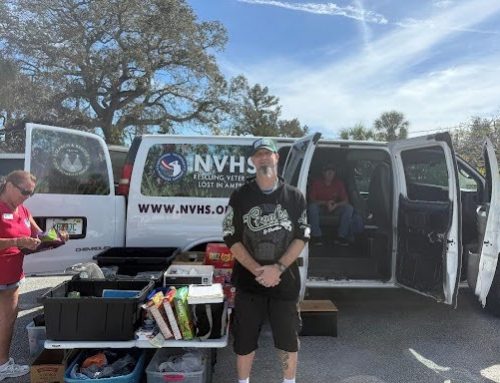
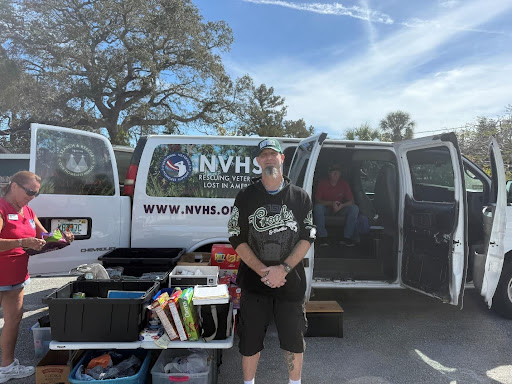
Our Search & Rescue program provides street-level outreach to locate homeless veterans and connect them with immediate support. Our team works to establish trust and understand a veteran’s circumstances so we can identify appropriate next steps.
Emergency assistance can be an important part of that process. Depending on the veteran’s circumstances, support may include emergency housing assistance, prevention services, referrals to temporary shelter, or connections to other community resources.
These interventions address urgent situations while creating an opportunity to look beyond the immediate crisis.
What Long-Term Stability Requires
Long-term stability looks different for every veteran. Some individuals may need assistance preventing the loss of their current housing, while others may need transitional housing or connections to additional services.
Our programs provide different forms of support because veterans do not all arrive with the same circumstances or needs. Prevention case management, housing assistance, transitional housing, and outreach can each play a role in helping veterans move toward greater stability.
Layered Support Creates a Stronger Path Forward
A veteran’s path may include several stages of support:
- Outreach: Connecting with veterans experiencing homelessness and building trust.
- Assessment and resource connection: Understanding circumstances and identifying appropriate resources.
- Prevention or housing assistance: Addressing immediate housing instability when possible.
- Transitional housing: Providing a stable environment and case management for eligible veterans who need additional support.
- Ongoing connections: Helping veterans access additional services and resources to support their continued progress.
Not every veteran will use every service. Our team works to determine what resources are appropriate based on each person’s circumstances.
Why Patience Matters
Long-term progress may not happen as quickly as supporters expect. Housing challenges can involve multiple barriers, and resolving them may require coordination with other organizations, agencies, and community resources.
Patience allows supporters to recognize that the absence of an immediate, visible outcome does not mean their support lacks value. It can take time for a veteran to move from an urgent crisis to a more stable situation.
That is also why trust matters. Veterans may need time to build relationships with service providers and become comfortable accepting assistance. Consistent outreach and follow-up can create opportunities to address needs that cannot be resolved during a single interaction.
How NVHS Connects Immediate Help With Longer-Term Planning
Our work does not treat emergency assistance as the final destination. We use immediate needs as an opportunity to connect veterans with appropriate resources and identify possible next steps.
For veterans who need transitional housing, our programs provide stable housing, case management, and structured support. Depending on individual circumstances, that support can include connections related to employment, VA benefits, life skills, counseling, and other services.
This layered approach recognizes that housing stability involves more than having somewhere to sleep tonight. A stable environment can provide a foundation for a veteran to address other needs and work toward the next stage of independence.
Prevention Is Part of Long-Term Stability
Long-term stability also means helping veterans avoid homelessness when possible. Prevention services can address housing problems before they become an extended crisis.
Our prevention case management and housing assistance programs help eligible veterans address housing instability and connect with available resources.
Preventing a housing loss can protect the stability a veteran already has while reducing the need for more intensive intervention later. That makes community investment important not only when a veteran is already homeless, but also when early support may help prevent homelessness.
Stay involved by donating or volunteering with NVHS and help strengthen the outreach, prevention, and housing support veterans may need at different stages of their journey.
Community Investment Supports the Full Mission
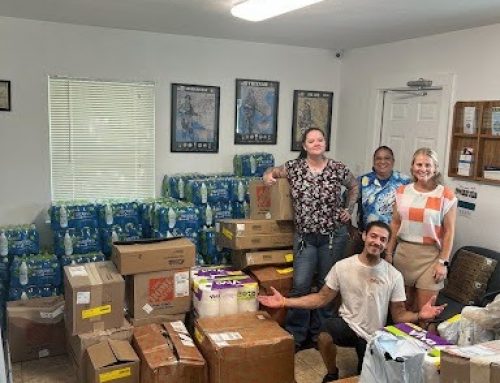
Community support makes layered services possible. Donations provide financial resources, while volunteers contribute time and skills that can strengthen our programs and operations. Businesses and organizations can also contribute through partnerships, workplace volunteering, sponsorships, in-kind donations, and other forms of support.
That involvement reflects shared responsibility. Addressing veteran homelessness is not something one organization can accomplish alone. It requires coordination among service providers, government agencies, businesses, volunteers, donors, and community members.
Our community’s support has contributed to measurable progress. Since 2008, NVHS has helped reduce veteran homelessness in Brevard County by 90%.
That result reflects years of work rather than a single intervention. It demonstrates why continued investment matters. Programs need resources to remain available, outreach needs people and capacity, and veterans need organizations that can continue responding as circumstances change.
Why Year-Round Involvement Matters
A one-time donation or volunteer opportunity can make a meaningful contribution, but year-round involvement helps sustain the broader network of support. Continued participation can help keep resources available when veterans need them, maintain community awareness, and strengthen relationships with organizations that share our mission.
Supporters can contribute in several ways throughout the year:
- Make a one-time or recurring donation.
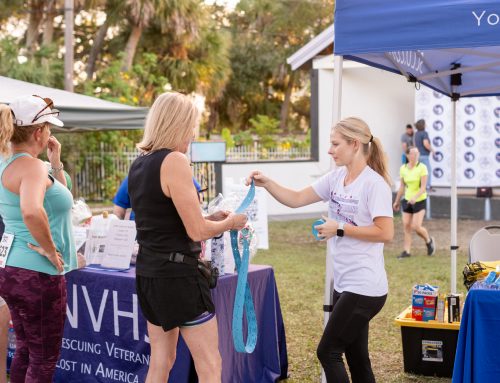
- Volunteer with NVHS programs, events, or operations.
- Refer veterans who may need assistance.
- Participate in workplace giving or matching programs.
- Explore corporate partnership opportunities.
- Donate needed goods or professional services when appropriate.
Each form of involvement supports a different part of the greater effort.
Looking Beyond the Immediate Crisis
Emergency assistance matters because a crisis cannot wait. But the work should not stop once the immediate need has been addressed.
We pair immediate support with resource connections, prevention services, housing assistance, transitional housing, and case management because long-term stability requires multiple solutions. Our responsibility is to help veterans identify appropriate next steps, while our community helps provide the resources and support that make those steps possible.
When supporters understand this process, they can approach community investment with greater patience and trust. They can recognize that progress may take time while still seeing how their contributions strengthen the systems working toward measurable outcomes.
Veteran homelessness is a community issue, and long-term stability requires a community response. Stay involved by donating or volunteering with NVHS and help provide the year-round support that allows us to respond to immediate needs while helping veterans work toward lasting stability.