
Asking for help can feel difficult, especially when you are unsure where to begin. A veteran may be managing substance use concerns, mental health challenges, financial stress, or unstable housing while trying to maintain responsibilities at home. A family member may recognize that something is wrong but worry about saying the wrong thing or contacting an organization that cannot address the problem.
These uncertainties can delay important support. Recovery often requires more than addressing one concern at a time. A veteran may need professional treatment, a safe place to live, help navigating benefits, or someone who can explain what resources are available. Understanding how these services work can make the first step feel more manageable.
National Veterans Homeless Support (NVHS) helps veterans and families in Central Florida navigate housing instability and connect with appropriate community resources. We do not provide clinical addiction treatment or therapy, but we can help address housing-related needs and identify resources that may support a veteran’s broader recovery journey.
If you are a veteran experiencing housing instability or need help finding appropriate resources, contact NVHS through our Get Help page or use our website chatbot to begin.
Why Veterans May Delay Seeking Help
Fear of Judgment Can Make Reaching Out Harder
Veterans may hesitate to discuss substance use, mental health concerns, financial hardship, or homelessness because they fear judgment. Some worry that others will see them as weak, irresponsible, or unable to manage life after military service. Others may believe they should handle their problems on their own.
Families can experience similar uncertainty. A spouse, parent, sibling, or friend may want to help but worry that bringing up treatment or housing concerns could damage the relationship.
These concerns deserve a respectful response. Asking for help does not mean someone has failed. It means they have identified a challenge and may need additional support to address it.
Recovery is personal, and people may move through it at different speeds. A supportive conversation should encourage honesty without creating pressure, shame, or unrealistic expectations.
Multiple Problems Can Make the First Step Confusing
A veteran may face several overlapping concerns, including:
- Difficulty paying rent or keeping utilities connected.
- Substance use or mental health concerns.
- Physical health needs or disability-related challenges.
- Unemployment, reduced income, or financial hardship.
- Family conflict, isolation, or loss of social support.
- Uncertainty about VA benefits or available community programs.
These challenges can affect one another. For example, housing instability may make it harder to attend treatment appointments, while health concerns or financial problems may increase the risk of losing housing.
When several needs compete for attention, deciding what to address first can feel overwhelming. A veteran doesn’t need to solve every problem before seeking help. Identifying the most urgent concern and finding the right starting point can make the process more manageable.
What NVHS Can and Cannot Do
How We Help Veterans Facing Housing Instability
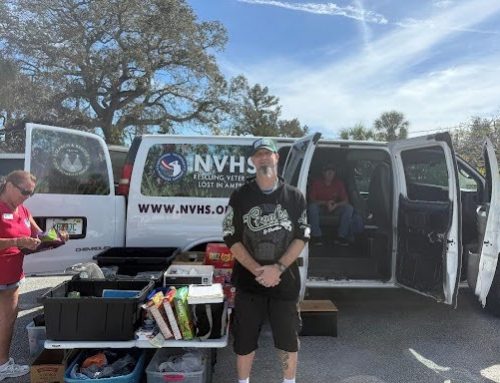
Our mission focuses on preventing and addressing veteran homelessness. We serve eligible veterans in Brevard County and connect veterans and families with appropriate resources throughout Central Florida.
Our services can help address practical barriers that affect housing stability, including:
Prevention case management: We assess housing-related needs and help connect eligible veterans with appropriate assistance. When partner resources are unavailable, we may provide financial support for qualifying temporary hardships, including assistance intended to help prevent eviction or loss of power.
Street outreach: We connect with veterans experiencing homelessness and provide essential supplies, information, and referrals to available services.
Transitional housing: We provide temporary housing support for eligible veterans experiencing homelessness while they work toward greater stability.
Resource navigation: We help veterans understand available options and connect with housing programs, benefits resources, healthcare providers, and other community services.
Our role is to help veterans identify practical next steps and connect with organizations that can address their specific needs. We recognize that housing, health, finances, and recovery may overlap, so clear communication and appropriate referrals are especially important.
What We Do Not Provide
NVHS does not directly provide clinical addiction treatment, therapy, psychiatric care, or medical services. We cannot replace a licensed healthcare professional, substance use treatment program, or emergency crisis provider.
Veterans experiencing substance use or mental health concerns should seek assessment and treatment from qualified professionals. We can help connect veterans with appropriate resources while addressing housing-related challenges that may affect their ability to pursue care.
Understanding this distinction helps veterans and families know what to expect. Our goal is not to promise every service ourselves. It is to help people find the support that fits their circumstances.
How Housing Support Can Fit Into Recovery
Stability Creates Room to Focus on Health
A safe, consistent place to live can support recovery by reducing some of the immediate pressures associated with homelessness. With stable housing, a veteran may have more opportunity to maintain routines, store medications and important documents, attend appointments, and focus on personal goals.
Housing does not resolve substance use or mental health concerns by itself. However, it can provide a foundation for pursuing professional treatment and other forms of support.
A veteran who is sleeping outdoors or moving between temporary arrangements may struggle to maintain a treatment schedule. Addressing housing concerns alongside clinical care can help reduce practical barriers and create a more coordinated path forward.
Resource Navigation Connects Different Types of Support
Recovery may involve several organizations with different responsibilities. A VA healthcare provider may address clinical needs, while a housing organization helps with shelter or homelessness prevention. Other providers may assist with transportation, benefits, employment, or family support.
Our resource navigation page can help veterans understand these options and identify where to seek assistance. We can also help veterans connect with appropriate community programs when their needs extend beyond our services.
This approach recognizes that no single organization can address every challenge. Effective support often depends on helping veterans reach the right provider at the right time.
What Veterans and Families Should Prepare Before Seeking Help
Gather Information Without Waiting for Perfect Documentation
Some veterans delay reaching out because they believe they need to have every document or answer ready. Although certain programs require specific information, you do not need to understand every eligibility rule before asking where to begin.
Preparing basic details can help make conversations with service providers more productive. Depending on your situation, consider gathering:
- Your full name and reliable contact information.
- Proof of veteran status, if available.
- Current housing situation and any eviction or utility notices.
- Information about income, employment, or financial hardship.
- Details about household members or dependents.
- Relevant benefit, healthcare, or treatment information.
- Names and contact information for providers already involved in your care.
For NVHS assistance, veterans should be prepared to provide information related to veteran status, financial circumstances, and housing needs.
If you don’t have every document, you can still start by asking what information you need and how to obtain it. We recommend gathering important records early when possible, but missing paperwork should not prevent you from learning about available options.
Family Members Can Help With the First Step
Families and friends can play an important role in helping veterans navigate recovery and housing challenges. You do not need to diagnose a problem or know every available program to offer useful support.
You can:
- Ask how the veteran is doing and listen without judgment.
- Encourage the veteran to describe the most urgent concern.
- Offer to help locate resources or make a phone call.
- Help organize documents, appointments, or transportation.
- Respect the veteran’s privacy and choices whenever possible.
- Seek professional guidance when safety or clinical concerns arise.
Veterans should generally contact NVHS directly when possible, especially when applying for assistance. A caregiver or trusted person may submit a request on behalf of an elderly or disabled veteran who cannot reasonably do so independently.
Where to Find Professional and Immediate Crisis Support
VA Mental Health and Substance Use Services
The Department of Veterans Affairs provides mental health and substance use services for eligible veterans. These services may include assessment, counseling, medication treatment, and other forms of professional care.
Veterans can begin by contacting their VA healthcare provider or exploring VA mental health and substance use resources. Vet Centers may also provide readjustment counseling and referrals for eligible veterans and their families.
Visit the VA’s substance use treatment resources to learn more about available services.
Veterans Crisis Line
If a veteran or family member faces an immediate mental health crisis, do not wait for a housing appointment or routine resource referral.
The Veterans Crisis Line provides confidential, 24/7 support for veterans, service members, and their loved ones:
- Call 988, then press 1.
- Text 838255.
- Visit VeteransCrisisLine.net for online chat.
Family members and friends can also contact the Veterans Crisis Line when they are concerned about a veteran. If someone faces immediate physical danger or needs emergency medical care, call 911 or go to the nearest emergency department.
National Call Center for Homeless Veterans
Veterans experiencing homelessness or at risk of losing housing can call the National Call Center for Homeless Veterans at 877-424-3838. The service helps connect veterans with VA housing and support resources.
Veterans in Brevard County can also explore NVHS through our Get Help page. Our team can help explain the next steps for seeking housing-related assistance.

How to Take the Next Step Without Facing Everything Alone
Seeking help during recovery can feel complicated when housing instability, health concerns, financial hardship, and personal challenges occur together. Veterans and families may worry about judgment or feel unsure which problem deserves attention first. Those concerns should not prevent someone from learning about available support.
Recovery can involve professional treatment, supportive relationships, stable housing, and reliable access to community resources. Each service has a different role, and coordinated support can help veterans address practical barriers while pursuing their health and personal goals.
Our work at NVHS focuses on housing assistance, prevention, outreach, transitional housing, and resource navigation. We do not provide clinical addiction treatment, but we can help veterans understand housing-related options and connect with appropriate providers.
If you are a veteran in need, contact us through our Get Help page or use the NVHS website chatbot. You do not need to know exactly where to start before reaching out.