
Winter Safety Tips for Veterans Facing Homelessness
 Winter brings more than just a chill; it can become a silent threat for veterans without stable housing. Freezing temperatures, slick sidewalks, and long nights outdoors can quickly turn into life-threatening situations, making hypothermia, frostbite, and other cold-related dangers all too real. For veterans navigating these conditions, even routine tasks like finding a warm meal or a safe place to rest can feel overwhelming. The physical risks are compounded by stress and isolation, creating a cycle that can make winter an especially harsh and dangerous season.
Yet there is hope and help. By learning how to layer clothing effectively, locate warming centers, maintain nutrition, and access emergency shelter, veterans can protect themselves and stay healthier throughout the cold months. National Veterans Homeless Support (NVHS) offers guidance, outreach, and resources designed to empower veterans to survive, and even thrive, during winter. From connecting individuals with shelters and hot meals to providing blankets, clothing, and rapid-response assistance, NVHS transforms winter from a season of vulnerability into one where veterans can feel supported, safe, and cared for. Reach out to us today to connect with life-saving winter resources, including emergency shelter, warming centers, and essential supplies for veterans in need.
Freezing Temperatures Impact Veteran Health and Safety
Veterans without stable housing face challenges that most people rarely encounter. Even moderately cold weather can become hazardous without proper clothing, nutrition, and shelter. Exposure to freezing temperatures, wind, and wet conditions can quickly worsen preexisting health issues such as cardiovascular disease, respiratory problems, and mobility limitations.
Winter also intensifies mental health challenges. Isolation, stress, and anxiety can be heightened when veterans lack access to safe, warm spaces. Cold weather can make it harder to seek help, maintain personal hygiene, and engage in the routines that support mental and physical well-being.
Understanding these risks is the first step toward staying safe. NVHS works to ensure that veterans not only survive the winter but also have access to the support systems necessary for long-term stability.
Smart Layering Keeps Veterans Warm and Protected
Proper clothing is the cornerstone of winter safety. The right gear can prevent hypothermia, frostbite, and other cold-related injuries. Here are essential tips:
- Layering is key: Wearing multiple layers traps heat and allows veterans to adjust to changing temperatures. Start with a moisture-wicking base layer, add an insulating middle layer, and finish with a windproof, waterproof outer layer.
- Protect extremities: Gloves, hats, thermal socks, and insulated footwear prevent heat loss in hands, feet, and head; the areas most vulnerable to frostbite.
- Keep dry: Wet clothing accelerates heat loss. NVHS can help veterans access dry clothing, waterproof jackets, and blankets through seasonal drives and direct distribution events.
- Visibility matters: Winter days are shorter. Bright or reflective clothing increases safety, especially for those navigating busy streets or public transportation.
By combining layered clothing with proper footwear and accessories, veterans can significantly reduce the risk of cold-related health issues while maintaining mobility and comfort.
Fueling Strength and Staying Hydrated During Winter
Staying warm begins from the inside out. Proper nutrition and hydration are crucial for maintaining body heat and energy levels during the winter months.
- Regular meals: Skipping meals can reduce energy and body temperature regulation. NVHS meal programs, food banks, and community partners ensure veterans have access to hot, nutritious food even in challenging weather.
- Hydration: Cold weather can mask signs of dehydration. Veterans should be reminded to drink water regularly, even if they do not feel thirsty.
- High-energy snacks: Nutritious snacks such as granola bars, nuts, and dried fruit provide essential calories for warmth and activity.
- Warm drinks: Hot beverages like tea, cocoa, or soup can provide comfort and maintain body temperature.
By addressing both nutrition and hydration, veterans can stay healthier and better prepared to navigate harsh winter conditions. Get in touch with our team now to learn how you can provide critical support to veterans facing cold weather, from clothing and meals to guidance and shelter referrals.
Finding Safe Spaces When Winter Gets Dangerous
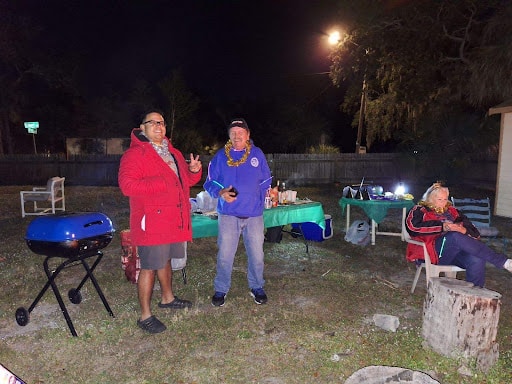 Access to warm, safe shelter is vital during winter. NVHS works with local shelters, community centers, and government programs to ensure veterans have a place to stay when temperatures drop. Here are some practical considerations:
- Know local warming center locations: Community centers, libraries, and faith-based organizations often operate warming spaces during extreme cold. These shelter locations change frequently, reach out to us for a current list of cold night shelter locations.
- Cold Night shelter: During extreme weather or cold nights, NVHS works on a case-by-case basis to connect veterans with temporary shelter options. Staff coordinate with local partners to reduce barriers and provide safe, short-term accommodations when urgent needs arise.
- Transitional housing: For veterans who need longer-term solutions, NVHS connects individuals with programs that offer heated accommodations, meals, and supportive services.
- Family and caseworker support: Loved ones and social workers can play a critical role in helping veterans access shelter. NVHS provides guidance for families and local partners to connect veterans with available resources.
Even a single night in a warm, dry environment can prevent serious illness or injury, making knowledge of shelter options a matter of life and death.
Regular Wellness Checks Protect Vulnerable Veterans
Veterans experiencing homelessness are often at higher risk for chronic health conditions. Winter can exacerbate these conditions if precautions are not taken. NVHS emphasizes proactive health monitoring:
- Recognize hypothermia and frostbite: Symptoms include shivering, numbness, confusion, slurred speech, pale or bluish skin, and stiff extremities. Seek immediate assistance from medical providers or emergency services if these occur.
- Manage chronic conditions: Diabetes, respiratory illnesses, and cardiovascular conditions can worsen in cold temperatures. NVHS can connect veterans with healthcare resources, including VA facilities and local clinics.
- Mental health care: Cold weather can worsen anxiety, depression, and PTSD. Maintaining access to counseling, support groups, and social connections is crucial. NVHS programs often integrate mental health support alongside shelter and nutrition services.
Staying vigilant about both physical and mental health ensures that veterans remain safe and resilient during the winter months.
Essential Gear That Keeps Veterans Safe and Warm
 In addition to clothing and shelter, having the right equipment can make a significant difference:
- Blankets and sleeping bags: Insulated and waterproof options provide warmth even when outdoor conditions are extreme.
- Flashlights and batteries: Short winter days reduce visibility, and reliable lighting can prevent accidents and improve personal safety.
- Emergency kits: Include basic first aid, hygiene supplies, and non-perishable snacks. NVHS often provides these kits directly to veterans through outreach efforts.
These items are essential for both immediate safety and ongoing preparedness during winter months. Connect with NVHS today and discover ways to provide immediate assistance to veterans at risk of exposure, including access to heating, food, and medical guidance.
Providing Guidance, Gear, and Shelter to Veterans in Need
Support networks play a vital role in keeping veterans safe during winter. Families, friends, and local partners can help in several ways:
- Coordinate clothing and food donations: Seasonal drives ensure veterans have access to necessary winter gear and nutritious meals.
- Share information about shelters and warming centers: Many veterans are unaware of local resources. Communicating available options can save lives.
- Volunteer with NVHS programs: From meal distribution to outreach services, volunteers amplify the impact of winter safety efforts.
- Advocate for community awareness: Educating local communities about veteran homelessness helps reduce stigma and increase support.
Every act of assistance contributes to the safety, warmth, and stability of veterans in crisis.
The Role of NVHS in Keeping Veterans Safe and Supported
National Veterans Homeless Support has decades of experience providing life-saving services to veterans experiencing homelessness. Our winter safety initiatives combine education, direct support, and rapid-response outreach. NVHS programs include:
- Search and Rescue Outreach for veterans on the streets
- Seasonal clothing and blanket distribution events
- Transitional housing coordination
- Basic needs and cold night shelter coordination
- Guidance for families, caseworkers, and local partners
By connecting veterans with these services, NVHS ensures that winter is not a season of danger, but a time when help is accessible, and lives are protected.
Take Steps Now That Keep Veterans Warm, Fed, and Safe
Winter safety is a shared responsibility. Veterans, families, and community supporters all play a role in preventing cold-related illness, injury, and tragedy. NVHS provides the tools, guidance, and support needed to make a real difference.
Reach out now and be part of a community committed to keeping veterans safe, healthy, and cared for throughout the coldest months of the year. Every connection, donation, and volunteer effort helps protect those who have served our country.




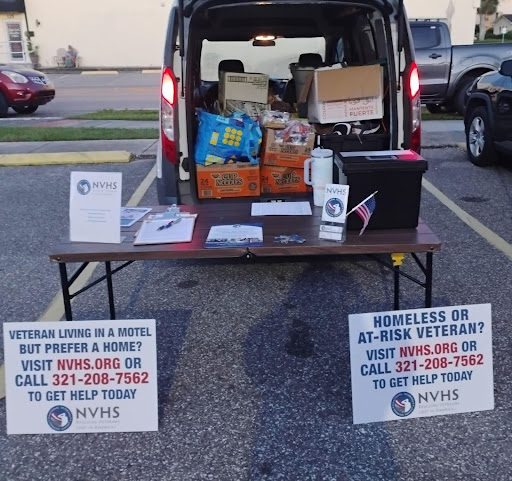
The Realities of Veteran Homelessness in Brevard County
Veterans in Brevard County face challenges many of us cannot imagine. After serving our country, some find themselves without stable housing, meals, or access to healthcare. Homelessness is not a statistic; it is a daily reality that affects physical health, emotional well-being, and the ability to reconnect with family and [...]
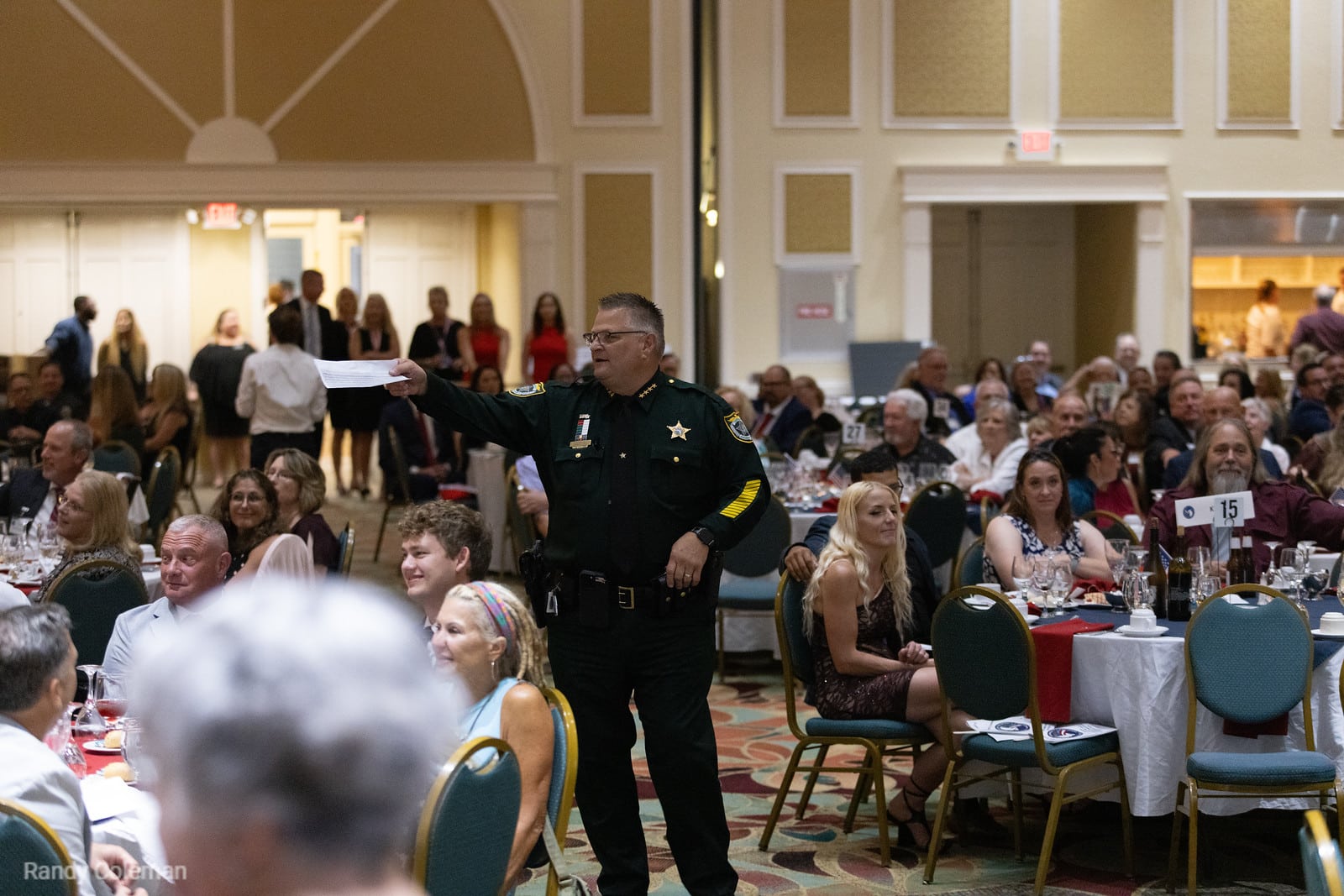
A Sheriff’s Perspective: What It Means to Serve Veterans Truly
A Sheriff's Perspective: What It Means to Serve Veterans Truly When we talk about serving veterans in Central Florida and beyond, we often think of ceremonies, salutes, or plaques on the wall. But for many of our nation's heroes, especially those facing homelessness, mental health challenges, or isolation, true service [...]
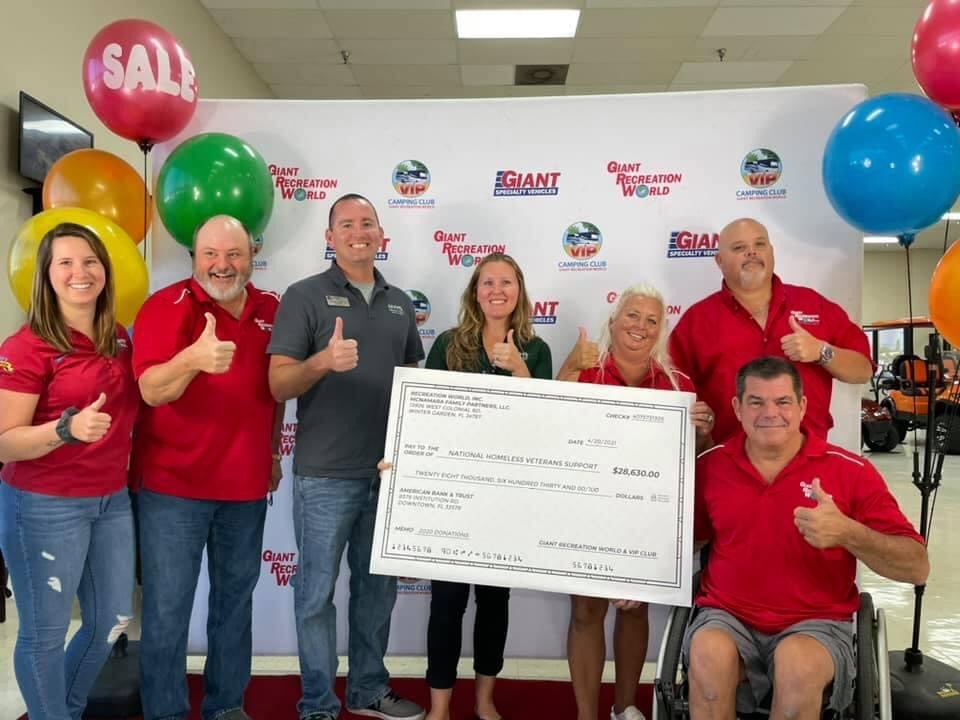
Giant Recreation World Supports NVHS
A big hug 🥰 and thanks to Giant Recreation World for their ongoing support and $28,630 donation! Special thanks to GRW's VIP Camping Club whose help has enabled ongoing support to NVHS year after year, with a total of $136,000 contributed since 2015!!! @https://m.facebook.com/GiantRecreationWorld/