Florida winters may look mild compared with the freezing temperatures and heavy snowfall common in northern states, but that does not mean cold weather is harmless for veterans without stable housing. A night in the 40s can feel very different when someone has no insulated home, reliable heat, dry clothing, or safe place to sleep. Add rain, wind, humidity, and limited access to shelter, and Florida’s winter weather can create serious risks for unsheltered veterans.
We see this difference in our work with homeless and at-risk veterans in Central Florida. Winter does not have to bring snow or prolonged freezing temperatures to make exposure dangerous. Cold nights, wet conditions, and sudden weather changes can make it harder for veterans living outside to stay warm, dry, rested, and safe. Our seasonal support, street outreach, basic-needs assistance, and connections to housing and shelter resources help address these challenges when veterans need them.
Understanding Florida’s version of winter helps our community recognize why seasonal support remains important here. It also shows donors, volunteers, and community partners how their local impact can help veterans facing weather-related risks.
Help us support veterans facing homelessness this winter. Donate or volunteer today.
Florida winter is different, but the risks are still real
Mild temperatures do not mean safe conditions
People accustomed to northern winters may associate cold-weather danger with snow, ice, or temperatures well below freezing. Florida rarely experiences those conditions for extended periods, but veterans without stable housing do not have the same protection from the elements that someone inside a heated home does.
Our website explains that even Florida’s milder winter conditions can create significant challenges for homeless veterans. Chilly nights, unpredictable weather, and limited resources can leave veterans vulnerable to exposure when they lack adequate shelter, clothing, blankets, or other supplies.
A temperature that feels manageable during the day can become much more difficult overnight. When someone is sleeping outdoors, the difference between being indoors with heat and being exposed to the elements can be significant.
Cold becomes more dangerous without shelter
A home provides more than warmth. It offers protection from wind and rain, a dry place to sleep, and an environment where someone can recover from the physical demands of being outside.
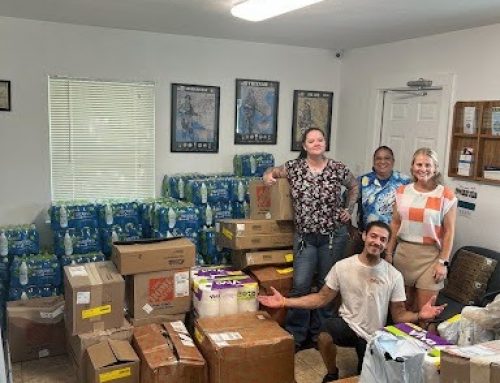
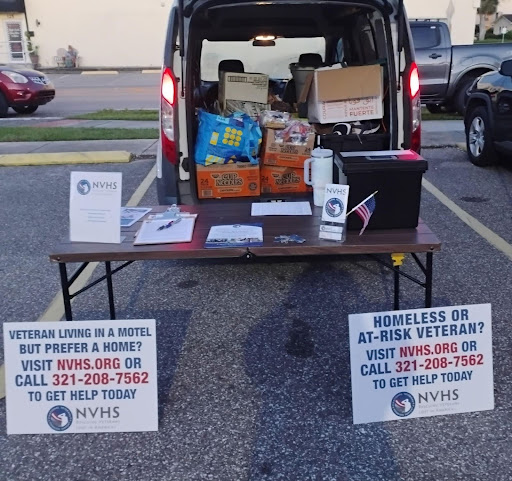
Veterans experiencing homelessness may not have those protections. NVHS Search & Rescue teams work directly in the community to locate homeless veterans and provide basic needs such as food, hygiene supplies, blankets, and survival supplies while connecting veterans with housing and other resources.
This direct outreach matters because veterans living outside may have difficulty reaching traditional services on their own.
How rain and humidity increase winter exposure
Staying dry can be as important as staying warm
Florida winter weather can bring rain even when temperatures are not extremely low. For someone indoors, getting caught in a rainstorm may be an inconvenience. For someone sleeping outside, rain can soak clothing, blankets, bedding, and personal belongings.
Wet clothing and bedding make it harder to stay warm through the night. They can also make it difficult for someone to get comfortable or protect themselves during the next weather event.
Our winter safety information specifically identifies rain as a concern for homeless veterans because wet clothing, bedding, and belongings can expose people to prolonged cold and damp conditions.
Humidity can make cool air feel colder
Florida’s humidity also changes how people experience cooler weather. Combined with wind and damp clothing, it can make an already uncomfortable night more difficult for someone without adequate protection.
This is one reason comparing Florida’s winter solely with a northern winter can be misleading. The question is not whether Florida is colder than Minnesota or Michigan. The question is whether a veteran without stable housing has enough protection from the specific conditions happening outside that night.
Overnight temperatures create particular challenges
The night can change the risk
People generally spend winter days moving between homes, vehicles, workplaces, stores, and other heated spaces. An unsheltered veteran may not have that same access to warmth.
As temperatures fall overnight, someone sleeping outside has fewer opportunities to warm up. Fatigue, hunger, wet clothing, and inadequate blankets can make the situation more difficult.
Our winter safety resources note that Florida temperatures can drop into the 40s or lower overnight and that these conditions can be hazardous for people sleeping outdoors or in poorly insulated locations.
This is why winter outreach cannot focus only on daytime temperatures. Overnight conditions matter because that is when many unsheltered veterans are trying to sleep and recover.
Wind adds another layer of exposure
Wind can make cool conditions feel considerably colder, particularly for someone without walls or other protection. A veteran sleeping in an exposed location may have little ability to block wind while also keeping clothing and bedding dry.
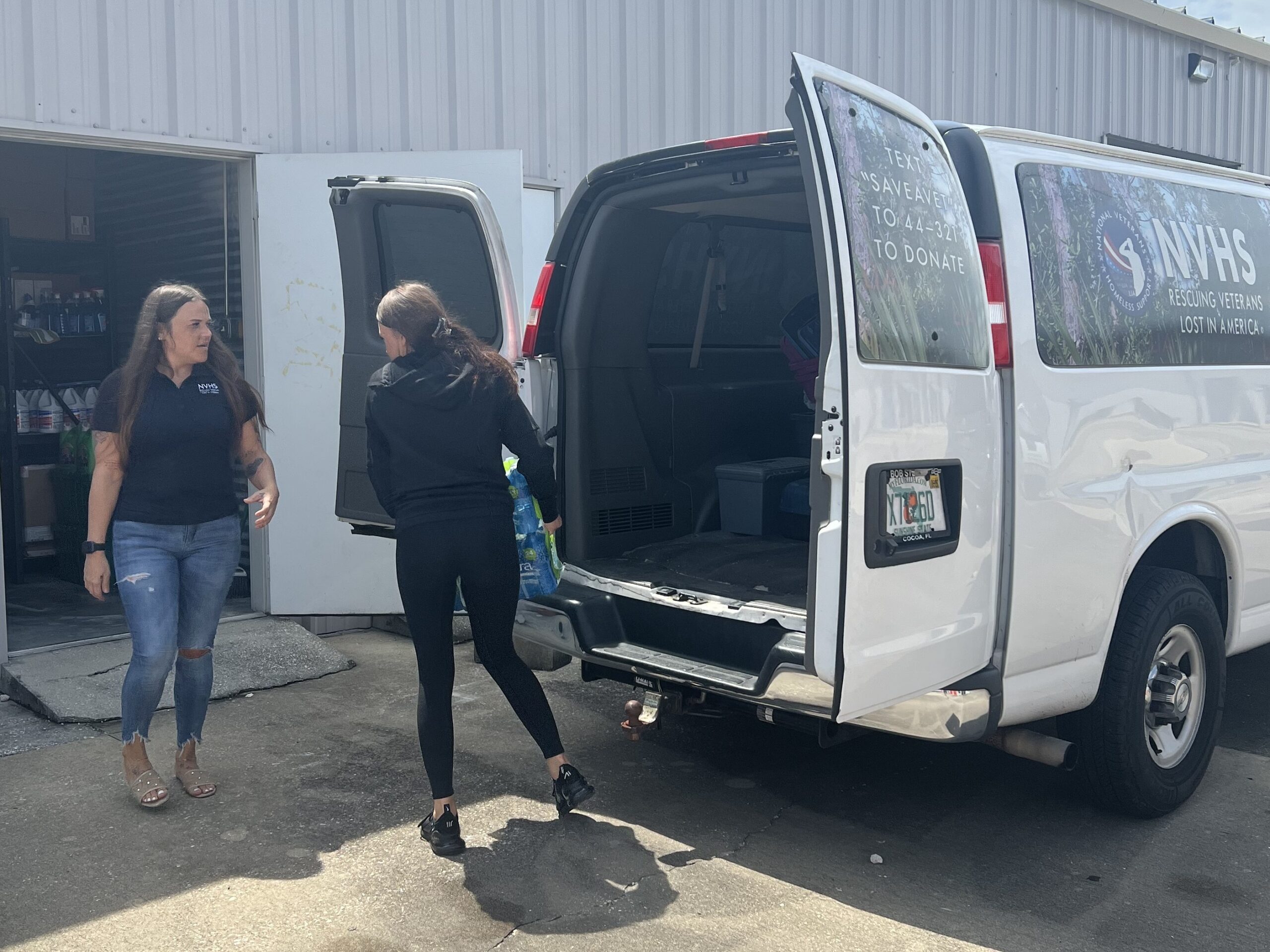
Our seasonal support work helps address some of these immediate needs by providing warm clothing, blankets, and essential supplies during Florida’s cooler months.
These supplies do not replace stable housing, but they can provide important protection while veterans work toward safer and more stable circumstances.
What winter support looks like in Central Florida
Outreach brings resources directly to veterans
Winter support does not always begin with a veteran walking into an office. Our Search & Rescue program uses street-level outreach to locate homeless veterans and provide immediate basic-needs support while helping connect them with housing and other resources.
That can include supplies such as:
- Food and meals
- Blankets and warm clothing
- Hygiene supplies
- Survival gear
- Other essential supplies based on current needs
- Connections to shelter and housing resources
Our role also includes helping veterans navigate available support. We may connect veterans with housing providers, benefits specialists, and other appropriate resources, but we do not promise access to a particular benefit or clinical service.
Seasonal initiatives supplement year-round support
Winter assistance works alongside our broader programs rather than replacing them. Our seasonal initiatives provide meals, warm clothing, blankets, essential supplies, holiday support, and other assistance for veterans experiencing homelessness or financial hardship.
Our Warm Full Safe initiative also emphasizes that seasonal needs exist within a larger issue of housing instability. Immediate winter support can help a veteran stay safer today while year-round programs address longer-term housing and stability needs.
Help us provide practical support when Florida’s winter weather puts veterans at risk. Donate or volunteer today.
Why Florida-specific winter support creates local impact
The goal is to respond to the conditions veterans actually face
Effective seasonal support does not require Florida to have the same weather as northern states. It requires understanding the risks that exist here.
For an unsheltered veteran in Central Florida, a cold night can involve several challenges at once:
- A drop in overnight temperature
- Rain that soaks clothing and bedding
- Wind that increases exposure
- Humidity that makes damp conditions harder to manage
- Limited access to warm, dry shelter
- Difficulty accessing regular meals and basic supplies
- Isolation and fewer opportunities to rest safely
Addressing those conditions is part of responsible local support. It allows donors, volunteers, and community organizations to respond to a specific need rather than assuming that Florida’s climate eliminates winter vulnerability.
Small forms of support can address immediate needs
A warm coat, blanket, meal, or survival supply may seem simple compared with the larger challenge of homelessness. For someone spending the night outside, those resources can address an immediate safety concern while outreach teams work to connect the veteran with additional support.
NVHS’s seasonal programs have provided substantial assistance to veterans and families. The organization’s current financial transparency information reports that its Thanksgiving outreach prepared and delivered 320 Thanksgiving meals to veteran families, Christmas gifts to 124 veterans and 113 Veterans and 50 Dependents..
These efforts demonstrate why seasonal support remains relevant even in a state where winter looks different from much of the country.
How the community can help veterans stay safer
Donations and volunteers strengthen seasonal outreach
Winter support depends on people choosing to contribute resources, time, and awareness. Donations can help support seasonal initiatives and broader programs, while volunteers can assist with outreach and distribution efforts.
Our volunteer program describes opportunities to help distribute meals, provide emergency aid, connect veterans with resources, and participate in seasonal initiatives.
Community members can also help by paying attention when they see a veteran who may be experiencing homelessness or housing instability. Sharing accurate information about available resources can help someone connect with support sooner.
Florida winter still deserves our attention
Florida’s winter may not look like a northern winter, but veterans without stable housing experience the weather without the protection most people take for granted. Cold overnight temperatures, rain, wind, humidity, and limited access to warm shelter can turn a relatively mild forecast into a serious challenge.
That is why we believe winter support should be based on the conditions veterans actually face here in Central Florida. Our outreach, seasonal initiatives, emergency supplies, housing connections, and broader stability-focused programs give the community ways to respond to those needs.
Understanding this Florida-specific risk also makes the value of community involvement clearer. When donors and volunteers support winter initiatives, they contribute to a local impact that can help a veteran stay warmer, drier, safer, and connected to additional resources during a vulnerable time of year.
We do not need a northern winter to recognize that exposure can be dangerous. We need to understand what happens when a veteran has nowhere safe to escape the weather.
Donate or volunteer today to help us provide the resources and support veterans need when Florida’s winter weather turns dangerous.