Conversations around veterans and mental health are evolving as new technologies create more ways to support healing and recovery. From virtual reality therapy to robotics and digital mental health platforms, innovative tools are helping veterans manage PTSD, anxiety, depression, and the challenges of civilian reintegration.
While technology is not a replacement for human connection or professional care, it’s becoming an important part of modern mental health treatment and expanding access to support for veterans across the country.
How Technology Is Changing Mental Health Care
In the past, support often depended on in-person appointments and long wait times. Today, telehealth and virtual support services make it easier for veterans to connect with counselors, support groups, and treatment programs from home, especially in rural areas.
New forms of mental health technology are also creating more interactive treatment options. Virtual reality therapy, wellness apps, and AI-assisted tools are helping veterans manage PTSD, anxiety, depression, and stress in more engaging ways.
Digital mental health platforms help veterans stay connected between appointments through coping tools, guided exercises, peer communities, and wellness tracking. As these technologies continue to improve, more veterans may be able to access the support they need to build healthier futures.
Virtual Reality (VR) as a Tool for Trauma Recovery
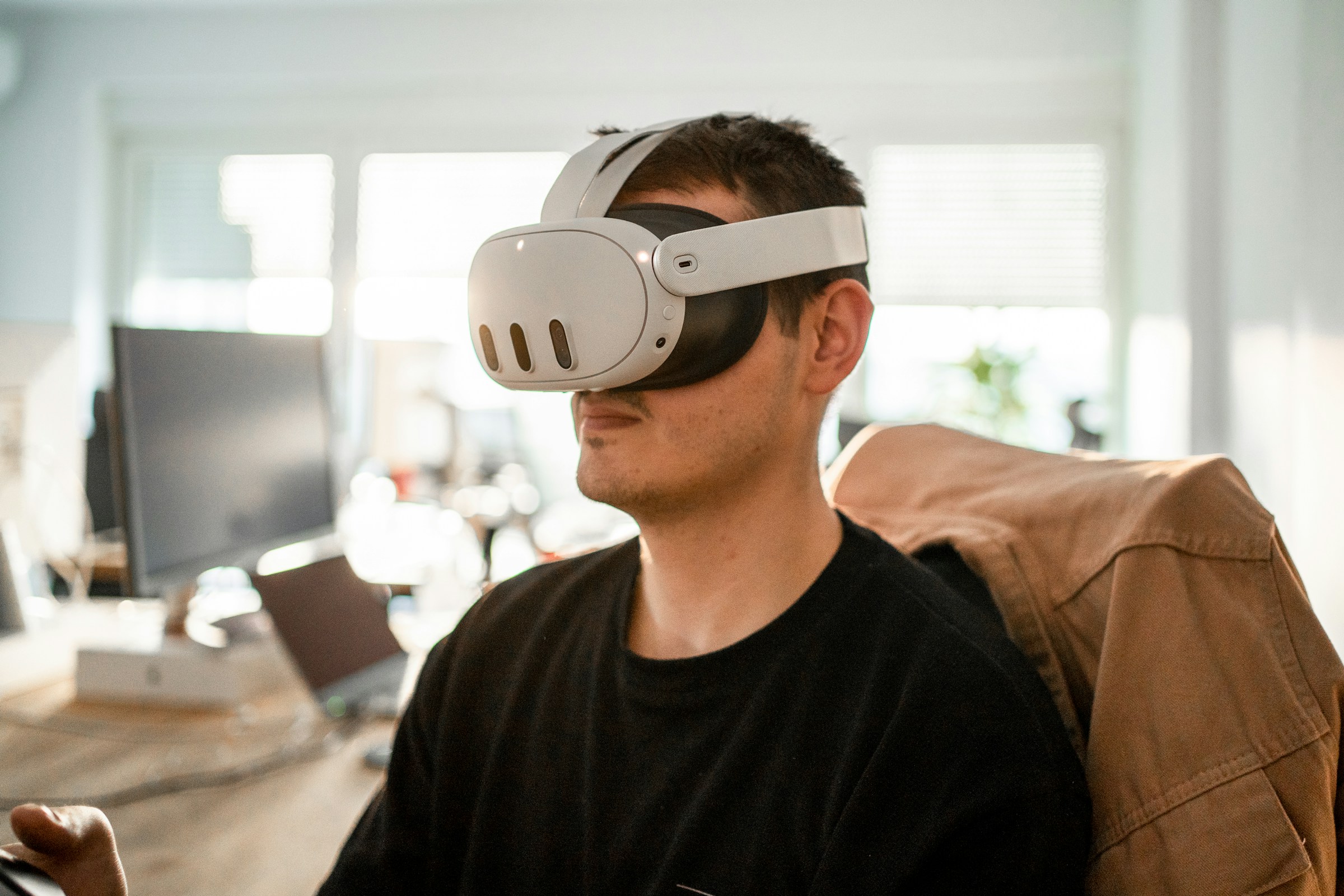
VR exposure therapy is one of the most actively researched developments in treating combat-related PTSD, with a growing body of clinical evidence supporting its use alongside traditional approaches. It works by guiding veterans through controlled, immersive environments that gradually reduce the emotional charge of traumatic memories.
Virtual reality therapy is different from traditional talk therapy. Instead of simply describing a memory, a veteran can safely re-enter a simulated version of it with a trained clinician present, allowing the brain to reprocess the experience in a supported setting.
Programs using virtual reality exposure have shown measurable reductions in PTSD symptoms across multiple clinical trials. These approaches complement holistic treatment models that address the whole person, not just isolated symptoms.
Robotics and Embodied Healing Technologies
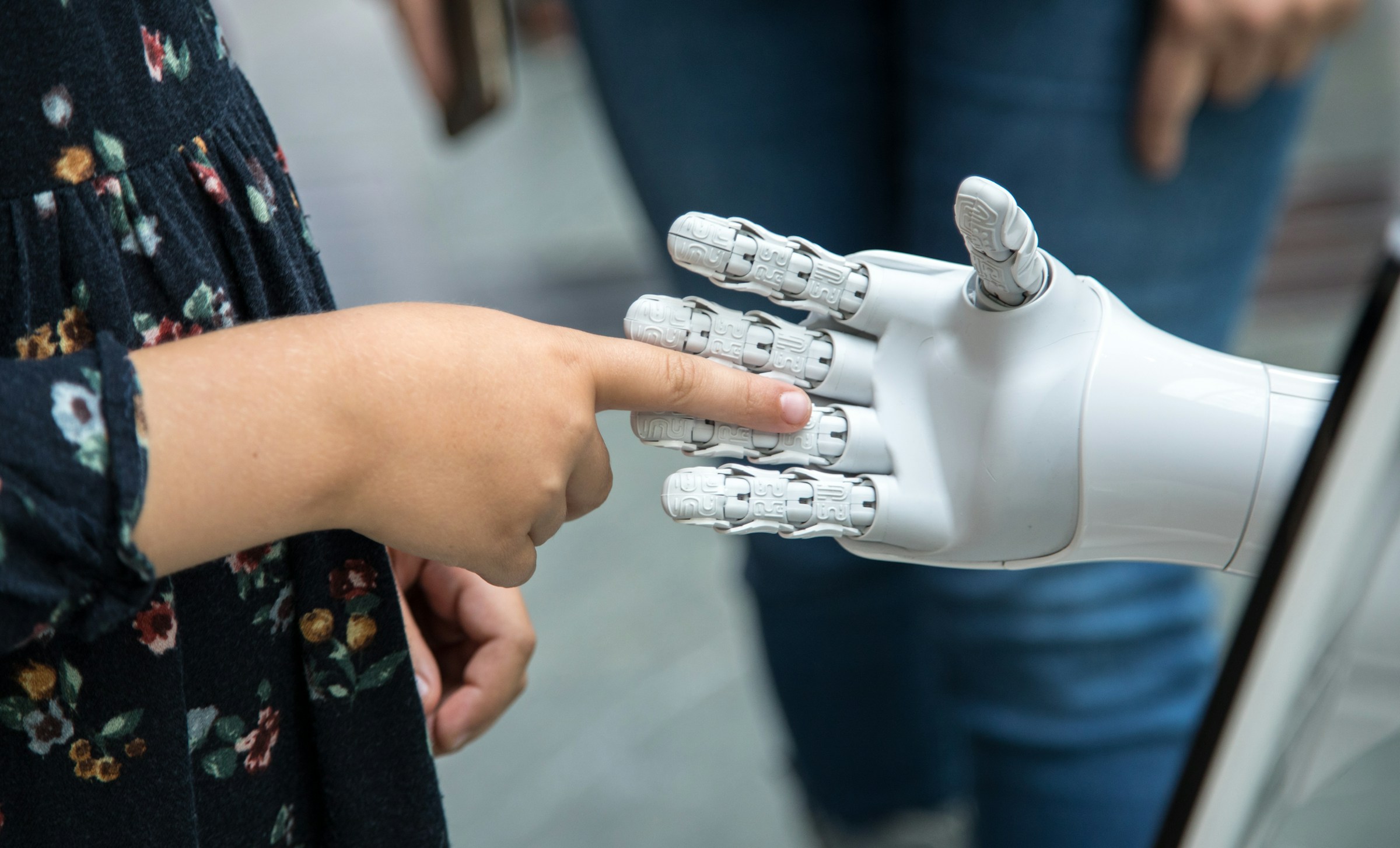
Robotics may not be the first thing that comes to mind in mental health care, but they are increasingly being used to support both physical rehabilitation and emotional recovery.
Here are some of the ways robotic technologies are being used today:
- Companion robots like PARO, a therapeutic robotic seal, reduce anxiety and loneliness in veterans — particularly those experiencing cognitive decline, dementia, or traumatic brain injury.
- Exoskeletons support physical rehabilitation, which often runs parallel to mental health recovery for injured veterans.
- Haptic feedback devices help veterans reconnect with their bodies during trauma processing by providing gentle physical sensations during therapeutic sessions.
- Robotic-assisted therapy supports occupational therapists in delivering more consistent, measurable rehabilitation outcomes.

These innovations are part of a broader shift toward embodied, whole-person approaches in veteran care.
Emerging Frontiers: Neurotechnology and AI in Veteran Care
Brain health technology is expanding the possibilities for understanding and treating trauma at a neurological level. Tools that once existed only in research labs are moving into clinical settings.
Here are some current and emerging technologies in this space:
- AI-powered diagnostic tools are being developed to detect early signs of PTSD, depression, or cognitive decline through voice analysis and behavioral patterns.
- Transcranial magnetic stimulation uses magnetic fields to stimulate specific brain regions and has shown promise in treating treatment-resistant depression.
- Neurofeedback therapy trains veterans to regulate their own brain activity through real-time feedback.
- AI chatbots with clinical oversight provide around-the-clock support between therapy sessions.
Connecting veterans to these emerging resources is a growing priority for VA programs and nonprofit organizations alike.
The Future of Healing
The most effective care will always blend technology with human connection. Trauma-informed care ensures that every tool, whether a VR headset or an AI platform, is designed around the veteran’s safety, dignity, and lived experience.
Trauma-informed practice means technology serves the healer, not the other way around. Veterans living with mental illness deserve care that is as resilient and adaptive as they are.
Healing from trauma doesn’t have to happen alone. Explore mental health resources for veterans and learn how to access support, counseling, crisis services, and recovery programs designed specifically for veterans.
About National Veterans Homeless Support (NVHS)
NVHS seeks to eliminate homelessness among veterans in central Florida. NVHS takes a proactive, intervention-based approach to housing instability by meeting homeless veterans where they are and helping them from there.
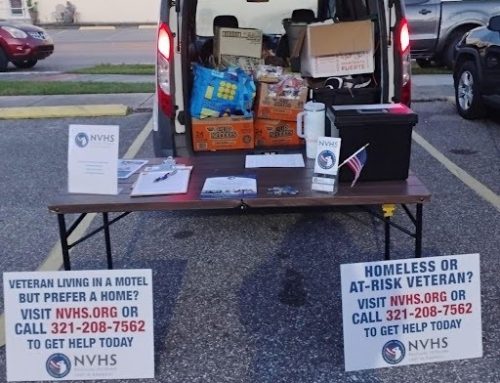
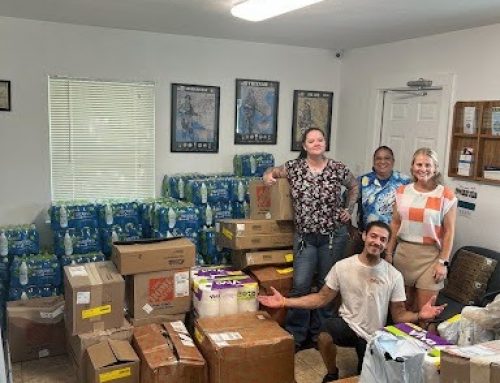
Through programs such as Search and Rescue Outreach, NVHS helps homeless veterans get the supplies they need to survive, connects them with support and resources, and assists them in transitioning off the streets and into temporary or permanent housing. Some of our programs also include art therapy to help veterans heal. If you’re able, consider supporting our mission by donating or signing up as a volunteer.