A donor-advised fund (DAF) is one of the most flexible and tax-smart ways to give to charity. Think of it as a personal charitable savings account: you deposit money, get a tax deduction right away, and then send grants to your favorite nonprofits on your own timeline.
If you care about giving back to your community in a meaningful, organized way, a DAF is worth understanding. It puts you in the driver’s seat of your generosity, without the complexity of running a private foundation.
How DAFs Work: Step by Step
So what is a DAF in practice? Here’s the basic flow:
- Open an account with a sponsoring organization, such as a community foundation, a brokerage, or a cause-aligned fund.
- Make an irrevocable contribution of cash, stock, or other assets.
- The assets are invested and grow tax-free inside the fund.
- You recommend grants to any qualified 501(c)(3) nonprofit whenever you are ready.
- The sponsoring organization processes and delivers your grant.
The key word above is “irrevocable.” Once you contribute, the funds are committed to charity. The upside is that your tax deduction is locked in the moment you contribute, not when the grant goes out.
The Tax Advantages: What’s Changed in 2026
The DAF tax deduction is not separate from other charitable deductions, and this year, smart charitable tax planning looks a little different. The One Big Beautiful Bill Act introduced new rules effective January 1, 2026.
For donors who itemize, only the portion of charitable giving that exceeds 0.5% of your adjusted gross income (AGI) is deductible. For high earners, the tax benefit on itemized charitable contributions is capped at 35%, even for donations made through donor-advised funds.
For the first time in years, non-itemizers can also deduct charitable gifts, up to $1,000 for single filers and $2,000 for married couples. However, it’s important to note that direct contributions to DAFs do not qualify for this new above-the-line deduction.
Despite the new rules, DAFs remain one of the most effective tools for maximizing your charitable impact.
The “Bunching” Strategy: Making DAFs Work Harder
Charitable giving accounts allow you to separate the timing of your tax deduction from the timing of your donations, giving you more flexibility in how and when you support the causes you care about.
Bunching is a simple idea: instead of giving smaller amounts each year, you contribute several years’ worth of giving to your DAF all at once. This helps you clear the new 0.5% AGI floor and capture a larger deduction in a single tax year.
Here’s how a bunching strategy works in practice:
- Calculate what you typically give annually, say $10,000 per year.
- Contribute three to five years’ worth at once, such as $40,000, into your DAF.
- Take the full deduction in that contribution year.
- Continue recommending your usual annual grants to your chosen nonprofits from the fund.
An appreciated stock donation to your DAF is especially powerful here. You avoid capital gains tax on the appreciation and deduct the full fair market value, putting more dollars to work for the causes you care about.
DAFs and Veterans’ Causes: A Perfect Match
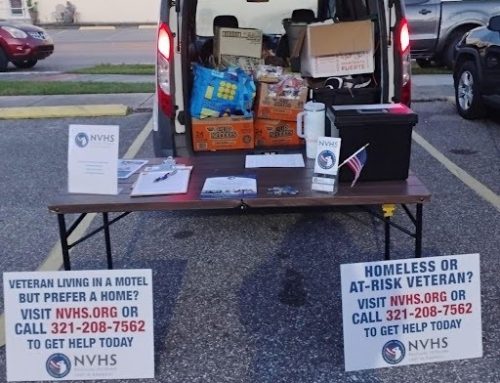
Veterans experiencing homelessness face serious and layered challenges that require sustained, reliable support. National Veterans Homeless Support (NVHS) depends on consistent funding to keep its housing, crisis response, and mental health programs running year-round.
A DAF is an ideal giving vehicle for NVHS supporters. You can fund your account in a high-income year, lock in your deduction, and then schedule steady annual grants to help veterans over many years. NVHS is a fully qualified 501(c)(3), making it eligible to receive DAF grants directly.
Your Generosity, Your Timeline
A donor-advised fund puts structure, flexibility, and real tax value behind your charitable intentions. Whether you’re just starting out or looking to give more strategically, a DAF makes it easier to support the causes you believe in, including organizations like NVHS that are working every day to help veterans find financial stability and a path forward.
Talk to your tax advisor, pick a sponsor, and start making your funds work harder for the people who need it most.
About National Veterans Homeless Support (NVHS)
NVHS seeks to eliminate homelessness among veterans in central Florida. NVHS takes a proactive, intervention-based approach to housing instability by meeting homeless veterans where they are and helping them from there.
Through programs such as Search and Rescue Outreach, NVHS helps homeless veterans get the supplies they need to survive, connects them with support and resources, and assists them in transitioning off the streets and into temporary or permanent housing. Some of our programs also include art therapy to help veterans heal. If you’re able, support our mission by donating or signing up as a volunteer.