Key Takeaways
- How common is PTSD in veterans? Post-traumatic stress disorder (PTSD) affects roughly 14% of male veterans and 24% of female veterans receiving VA care, making it a very common mental health diagnosis in the veteran population.
- What are the most effective treatments for veteran PTSD? The VA recommends three evidence-based therapies: Cognitive Processing Therapy (CPT), Prolonged Exposure (PE), and Eye Movement Desensitization and Reprocessing (EMDR).
- How can I help a veteran with PTSD at home? The most impactful things you can do are learn more about the condition, maintain a calm and predictable environment, listen without judgment, and gently encourage professional treatment.
- Where can veterans get help for PTSD? Veterans can access free, evidence-based PTSD treatment through the VA or reach the Veterans Crisis Line any time by calling or texting 988 and pressing 1.
When it comes to helping someone with PTSD (especially veterans), there are several ways to make a meaningful impact. This article explains the realities of veteran PTSD, the most effective treatments available, and practical ways to help with PTSD for anyone supporting a veteran they care about.
Understanding PTSD and Its Impact on Veterans
Post-traumatic stress disorder (PTSD) is a mental health condition that can develop after experiencing or witnessing a traumatic event. Symptoms include flashbacks, nightmares, severe anxiety, emotional numbness, hypervigilance, and difficulty concentrating. Veterans are particularly susceptible to PTSD due to the nature of military service. Exposure to combat, explosions, witnessing death, and physical or sexual assault can leave lasting psychological wounds that persist long after service ends.
The scale of this issue is significant. Of the 5.8 million veterans served by the U.S. Department of Veterans Affairs (VA) in 2024, about 14% of men and 24% of women were diagnosed with PTSD. Beyond the immediate symptoms, PTSD can contribute to serious mental health challenges, elevated suicide risk, and reduced quality of life for veterans and their families. Understanding this complexity is the first step in knowing how to help people with PTSD.
How to Help People With PTSD
1. Educate Yourself
One of the most important ways to help with PTSD is to understand the condition before you try to intervene. Without that foundation, well-meaning support can backfire. You might accidentally minimize someone’s experience, trigger a trauma response, or push them toward isolation rather than recovery. Friends and family who lack basic PTSD literacy are also less likely to recognize the warning signs of a crisis.
There are two reliable starting points: the VA’s National Center for PTSD offers free guides specifically for family members and loved ones, and National Veterans Homeless Support (NVHS) maintains a library of resources, including a guide on PTSD symptoms.
2. Offer Emotional Support
Helping someone with PTSD often starts with simply being present. Practice active listening by giving your full attention, acknowledging their feelings, and avoiding judgment or unsolicited advice. Let them control how much they share and when. Remind them they aren’t alone.
Create a safe and comfortable environment, and avoid large crowds or unfamiliar places unless you’ve discussed it beforehand to prevent accidentally triggering symptoms. Maintaining predictable routines and minimizing sudden loud sounds at home can make a big difference in daily life.
3. Encourage Professional Help
Emotional support is essential, but it isn’t a substitute for clinical treatment. Veterans with PTSD have access to evidence-based therapies that produce real results. The VA offers three primary trauma-focused treatments.
- Cognitive Processing Therapy (CPT) helps veterans identify and reframe distorted beliefs about their trauma.
- Prolonged Exposure therapy (PE) gradually reduces the fear response associated with traumatic memories by helping veterans confront them safely.
- Eye Movement Desensitization and Reprocessing (EMDR) uses guided eye movements to help process traumatic experiences.
According to the National Center for PTSD, 53 out of 100 patients who receive one of these therapies will no longer present with symptoms of PTSD. The VA/DoD Clinical Practice Guideline recommends psychotherapy over medication as the primary treatment for PTSD, and all three of these therapies meet that standard.
Encourage the veteran in your life to speak with their VA provider or call the Veterans Crisis Line (dial 988, then press 1) if they’re in acute distress. The line is available 24/7 and can also be reached by text at 838255.
4. Help Them Build a Support System
A strong support network is critical for long-term recovery. Veterans with PTSD often trust other veterans in ways they can’t trust anyone else. Connecting your loved one with peers who have successfully navigated PTSD treatment can break through resistance that nothing else can.
Military OneSource offers counseling services for veterans and their families related to military and family life, as well as peer-to-peer support, youth counseling, and other health and wellness coaching.
Additional Tips for Helping Veterans With PTSD
Here are more practical tips on how to help veterans with PTSD:
- Be patient and consistent. Recovery is nonlinear.
- Encourage healthy habits: regular exercise, balanced nutrition, and quality sleep can help reduce stress and support overall mental health.
- Learn their specific triggers and help them navigate or prepare for high-risk environments.
- Don’t pressure them to discuss their experiences before they’re ready.
- Take care of yourself too. Supporting someone with PTSD is emotionally demanding, and caregiver burnout is real.
Knowing how to help someone with PTSD is one of the most important things a family member, friend, or community member can do. By educating yourself, offering steady emotional support, encouraging evidence-based professional help, and helping build a lasting support system, you can make a real difference in the life of someone carrying invisible wounds.
About National Veterans Homeless Support (NVHS)
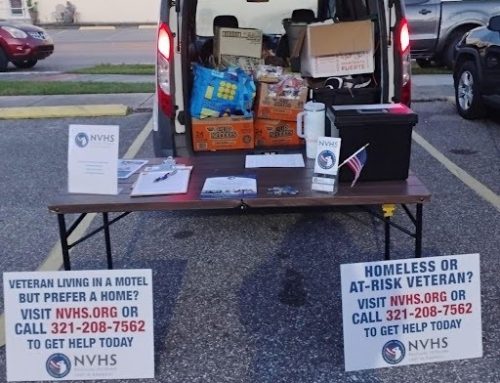
NVHS seeks to eliminate homelessness among veterans in central Florida. NVHS takes a proactive, intervention-based approach to housing instability by meeting homeless veterans where they are and helping them from there.
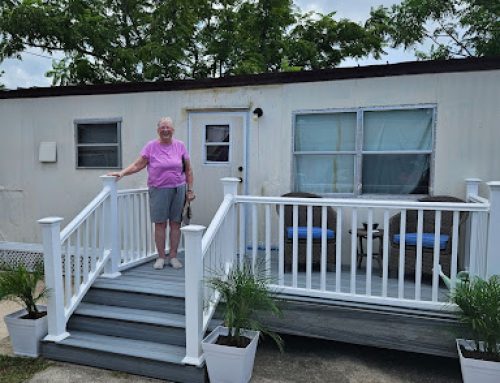
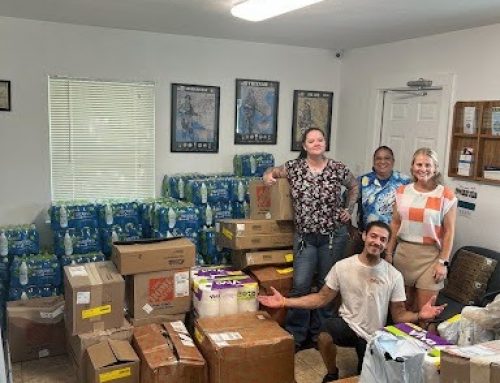
Through programs such as Search and Rescue Outreach, NVHS helps homeless veterans get the supplies they need to survive, connects them with support and resources, and assists them in transitioning off the streets and into temporary or permanent housing. Some of our programs also include art therapy to help veterans heal. If you’re able, consider supporting our mission by donating or signing up as a volunteer.
If a veteran you know is in crisis, call or text 988 and press 1 to reach the Veterans Crisis Line, available 24/7.