For veterans, transitioning back to civilian life can come with a host of challenges. The stress of combat, deployment trauma, and reintegration difficulties can take a serious toll on mental health, sometimes leading veterans to struggle with substance abuse as a way to cope with lingering physical and emotional pain. Unfortunately, substance misuse can delay recovery by worsening underlying trauma and making it harder to access support.
The good news is that numerous affordable rehab options exist specifically for veterans. This article explores several pathways veterans can use to access free or low-cost substance abuse treatment and begin the recovery process.
VA Health Care Eligibility and Enrollment
Understanding your VA health care eligibility is the first step toward accessing mental health resources and rehab for veterans.
Basic eligibility requirements include:
- Serving in active military and receiving a discharge other than dishonorable
- Meeting minimum service requirements (typically 24 continuous months or the full period called to duty)
- Enrolling in VA health care through the online application, by phone, or in person at a VA facility
Copays may vary by eligibility and priority group, though many veterans qualify for no-cost care.
Enrolling in VA health care is your gateway to accessing the treatment programs we’ll cover next, though some emergency care options are available even without enrollment.
VA-Specific Rehab Programs
The VA operates around 250 treatment programs across 120 facilities nationwide, offering comprehensive care designed specifically for veterans. These rehab programs understand military culture and address the unique challenges service members face during recovery.
To find a rehab program near you, use the VA Substance Use Disorder Program Locator to find facilities in your area. If you already have a VA primary care provider, simply ask them for a referral. If you’re new to the VA system, call 800-827-1000 or contact your local VA medical center directly.
Treatment options include:
- Medical detox and medication support: Patients receive safe withdrawal management under medical supervision, along with proven medications that can help reduce cravings.
- Outpatient counseling: Flexible therapy options range from weekly sessions to intensive programs with multiple appointments per week.
- Residential (live-in) care: Treatment takes place in a structured, 24/7 environment where individuals can focus fully on recovery, typically for several weeks or months.
- Specialized trauma care: Programs in this category address PTSD, military sexual trauma, and combat-related experiences while supporting substance abuse recovery.
- Long-term support services: This level of care includes continuing support such as relapse prevention planning, family counseling, and self-help groups.
These substance abuse programs have helped thousands of veterans achieve lasting recovery.
Emergency and Urgent Care Rights for Veterans
Veterans have important protections when facing a crisis. Whether you’re enrolled in VA health care or not, help is available when you need it most.
Your emergency care options include:
- Any emergency room must help you: Under EMTALA federal law, hospitals must screen and stabilize you regardless of ability to pay. This covers life-threatening situations, severe withdrawal symptoms, and active suicidal thoughts. Learn more about your rights and federal protections.

- COMPACT Act suicide crisis coverage: If you’re in acute suicidal crisis, you get up to 30 days of inpatient care and 90 days of outpatient care, plus transportation. No VA enrollment required. Treatment details and FAQs are available online.
- VA urgent care for enrolled veterans: Access care at VA facilities or more than 4,000 community providers for minor illnesses and injuries that need treatment right away but aren’t life-threatening (such as strep throat, sprained muscles, or ear infections) if you’ve had VA care in the past 24 months.
- Florida-specific protections: Florida residents are protected under Florida Statute 395.1041, which requires hospitals to provide emergency screening and stabilizing care without delaying treatment because of insurance status or ability to pay.
For life-threatening emergencies, call 911 or go straight to the nearest ER. Notify VA as soon as possible about emergency treatment. For ongoing health care needs, scheduled appointments through VA programs offer more comprehensive support.
State and Local Resources for Veterans
Veterans in Florida have access to several resources for substance abuse help outside of VA programs. State agencies, local organizations, and community providers can help veterans locate alcohol rehab facilities, peer support, and treatment options.
Some helpful starting points include:
- The Florida Department of Veterans’ Affairs (FDVA), which provides guidance on benefits and connects veterans with local support services.
- Florida Veterans Treatment Court, which focuses on rehabilitation and treatment for veterans involved in the justice system.
- Community recovery groups and treatment providers, many of which offer trauma-informed care tailored to veterans.
- National Veterans Homeless Support, which helps veterans access housing, recovery resources, and supportive services.
These resources can be especially helpful for veterans seeking free rehab or other affordable recovery services.
Taking the First Step Forward
Multiple pathways exist for veterans seeking help. Whether through VA benefits, state programs, or nonprofit organizations, affordable treatment is within reach. Emergency services stand ready to help immediately in the event of a crisis.
No veteran should face recovery alone. The same courage that led you to serve your country can guide you toward healing. Contact the VA, call the Veterans Crisis Line, or walk into any emergency room today. Additional resources can connect you with the support you need. Recovery is possible, help is available, and you deserve it.
About National Veterans Homeless Support (NVHS)
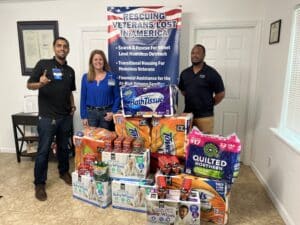
NVHS seeks to eliminate homelessness among veterans in central Florida. NVHS takes a proactive, intervention-based approach to housing instability by meeting homeless veterans where they are and helping them from there.
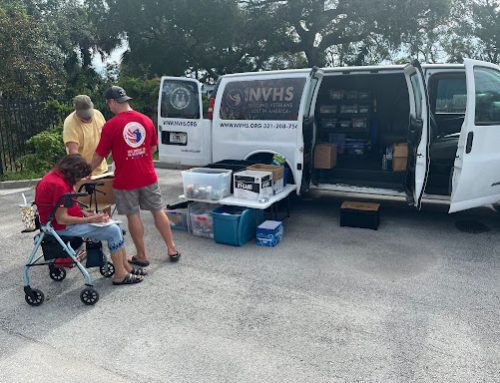
Through programs such as Search and Rescue Outreach, NVHS helps homeless veterans get the supplies they need to survive, connects them with support and resources, and assists them in transitioning off the streets and into temporary or permanent housing. Some of our programs also include art therapy to help veterans heal. If you’re able, consider supporting our mission by donating or signing up as a volunteer.
Frequently Asked Questions
Can veterans get free or low-cost rehab treatment?
Yes. Eligible veterans may have access to substance use treatment and rehabilitation services through VA healthcare and other community-based programs. The cost and availability of treatment can vary based on eligibility, insurance coverage, and individual circumstances, so exploring available options is an important first step.
Does the VA cover substance abuse and addiction treatment?
The VA offers mental health programs that can include support for substance use and related challenges for eligible veterans. Available services may vary depending on a veteran’s healthcare eligibility and individual treatment needs.
What if a veteran cannot afford rehab treatment?
Veterans who are concerned about the cost of treatment can explore VA benefits, nonprofit organizations, and community-based resources that may offer free or reduced-cost services. Speaking with a VA representative or resource navigator can help identify programs that fit the veteran’s circumstances.