
Returning to civilian life presents unique challenges for veterans. After years of structured military routines and frequent relocations, finding stability can feel overwhelming. Many veterans experience anxiety, depression, and post-traumatic stress disorder (PTSD) symptoms that make transitioning from military to civilian life particularly difficult.
Housing instability compounds these mental health struggles. When veterans lack a permanent, secure place to call home, it becomes harder to focus on healing and building a new life. Homeownership offers both shelter and a foundation for mental wellness that can support veterans through their recovery journey.
Military life means going where you’re told, when you’re told. After discharge, having control over your living situation can be transformative for mental health. Owning a home gives veterans the power to make decisions about their environment and future.
Housing stability offers the following benefits:
- Permanent Roots: Homeownership ends the cycle of temporary housing and frequent moves that many veterans experience.
- Personal Control: Veterans gain the power to make decisions about their living space after years of following orders.
- Predictable Routines: Stable housing reduces anxiety and supports mental health recovery through consistent daily patterns.
- Long-Term Planning: Veterans with reliable housing can focus on long-term goals instead of worrying about challenges such as unaffordable rent, moving, or homelessness.
- Access to Services: Stable housing makes it easier for veterans to engage with mental health care, substance use treatment, and other supportive services.
When you know where you’ll be living next month and next year, you can focus energy on healing rather than survival. Veterans facing mental health challenges often report that stable housing is the first step toward recovery.
Stability and Control After Service
Creating a Safe Haven

Your home should be your sanctuary. The link between housing and mental health is well-documented, with stable housing helping to reduce stress and support long-term recovery.
For veterans managing PTSD or anxiety, feeling safe in their own space is essential.
Homeownership supports mental health by allowing veterans to:
- Customize Their Environment: Veterans can modify their homes to reduce triggers and increase comfort in ways renters cannot.
- Control Noise Levels: Owning a home means managing sound and activity levels, which helps veterans with sensory sensitivities.
- Establish Clear Boundaries: Homeownership creates a separation between public and private life, which protects mental well-being.
- Create Therapeutic Spaces: Veterans can dedicate rooms or areas for meditation, exercise, or hobbies that support wellness.
When you own your home, you can paint the walls calming colors, install better soundproofing, or create a workshop in the garage. Housing security gives veterans the freedom to build an environment that truly supports their recovery.
Building Community and Purpose
Housing insecurity often leads to social isolation. When you’re constantly moving or worried about losing your housing, it’s challenging to build and maintain relationships.
Homeownership offers opportunities for:
- Neighborhood Connections: Maintaining your property, respecting shared spaces, and looking out for neighbors creates meaningful opportunities to build connections.
- Community Involvement: Permanent housing enables participation in local groups, schools, and civic organizations.
- Sense of Belonging: Owning a home helps veterans feel rooted in their community.
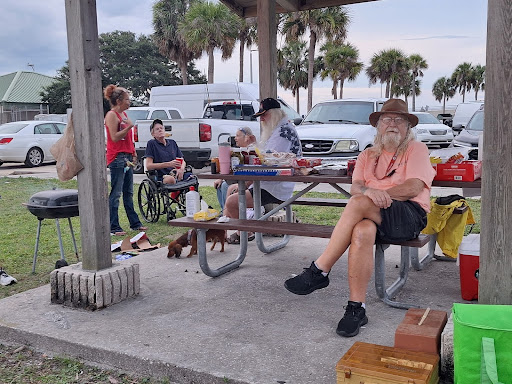
Maintaining a home gives veterans daily tasks and long-term projects. These responsibilities might seem mundane, but they provide the kind of mission-driven purpose that many veterans miss after service. Getting to know your neighbors and becoming part of a community creates support networks that are essential for mental health.
Financial Security and Homeownership Benefits
Financial stress can take a serious toll on mental health. Fortunately, VA home loan benefits make homeownership more accessible for veterans, often reducing the financial strain and uncertainty.
VA loans and homeownership provide financial advantages, including:
- No Down Payment Requirements: VA loans make buying achievable without needing thousands of dollars saved up front.
- Stable Monthly Costs: Homeownership provides predictability compared to rent increases that can destabilize budgets.
- Equity Building: Each mortgage payment builds ownership and creates long-term financial security for veterans.
- No Private Mortgage Insurance (PMI): VA loans do not require PMI, reducing monthly costs and allowing more of each payment to go toward building equity.
When veterans are not faced with the uncertainty of rent increases or the possibility of a landlord selling the property, they can focus on long-term goals.
A Foundation for Healing
Homeownership isn’t a cure for PTSD, depression, or anxiety, but it’s an important tool in a comprehensive approach to veteran wellness. It addresses social isolation, provides purpose, and reduces the financial stress that can worsen mental health symptoms.
If you’re a veteran thinking about buying a home, you don’t have to navigate the process alone. VA home loan programs offer meaningful advantages, and organizations across the country provide guidance tailored specifically to veterans. Your service earned you these benefits, and using them to create a stable home can be a powerful step for your mental health and your future. You deserve a place to call your own as you build the next chapter of your life.
About National Veterans Homeless Support
National Veterans Homeless Support (NVHS) seeks to eliminate homelessness among veterans in central Florida. NVHS takes a proactive, intervention-based approach to homelessness by meeting homeless veterans where they are and helping them from there. Through programs such as Search and Rescue Outreach, NVHS helps homeless veterans get the supplies they need to survive, connects them with support and resources, and assists them in transitioning off the streets and into temporary or permanent housing. Some of our programs also include art therapy to help veterans heal. If you’re able, consider supporting our mission by donating or signing up as a volunteer.