Running a business means making smart decisions with every dollar. One of the smartest moves many companies overlook is building a strategy around corporate giving. Done well, charitable giving can meaningfully reduce your tax burden while strengthening your brand and culture.
Getting started is simpler than most business owners expect. Understanding how the tax side works and how to pair it with the right giving vehicles puts you in a strong position to do well by doing good.
How Corporate Charitable Deductions Work
When your business donates to a qualified nonprofit, those contributions are generally considered tax-deductible donations under IRS guidelines.
For C corporations, the rules changed significantly starting in 2026 under the One Big Beautiful Bill Act (OBBBA). Charitable deductions are now subject to both a floor and a cap: only contributions that exceed 1% of taxable income are deductible, and the total deduction may not exceed 10% of taxable income. In practical terms, this means smaller or more modest giving programs may no longer generate any deduction at all if they fall below that 1% threshold.
Pass-through entities such as S corporations, partnerships, and sole proprietorships pass the deduction through to the owner’s personal return instead.
Your donation must go to a qualified 501(c)(3) organization to be eligible. Donations to individuals, political organizations, or candidates do not qualify.
Timing matters too. Contributions must be made within the tax year you want to claim them. Keeping up with current deduction rules and limits is important, as thresholds can shift year to year.
A solid record-keeping system is essential. For any donation over $250, you’ll need a written acknowledgment from the receiving organization.
Beyond Cash: Other Giving Vehicles and Their Tax Benefits
Cash is the most straightforward way to give, but it’s far from the only option. Many businesses find that other vehicles offer equal or greater tax advantages. Well-structured corporate giving programs can take several forms:
- Property and inventory donations. Businesses can donate products, equipment, or inventory. The deduction is typically based on fair market value, and in some cases, enhanced deductions apply for food inventory donated to organizations supporting people in need.
- Donor-advised funds. Your business contributes to a fund, takes the deduction immediately, and then recommends grants to charities over time. This is a flexible tool for planning larger gifts.
- Charitable remainder trusts. These allow a business or its owners to donate assets, receive income over time, and eventually pass the remainder to a charity.
- Matching gift programs. When your company matches employee donations, those contributions are also deductible and build a culture of generosity from the inside out.
No single vehicle works best for every business, so exploring your options with a financial advisor can help you find the approach that fits your goals and budget.
The Non-Tax Benefits That Also Matter
The charitable donation deduction is a real and tangible benefit, but it’s only part of the picture. Companies that give strategically often see returns that go well beyond the balance sheet.
- Brand reputation. Consumers increasingly prefer businesses that invest in their local communities and social causes.
- Employee engagement. Teams that feel proud of where they work show up with more energy and loyalty.
- Community relationships. Giving builds goodwill with local leaders, neighbors, and potential customers.
- Talent attraction. Especially for younger workers, a company’s values can be just as important as its compensation package.
Taken together, these benefits mean that a thoughtful giving strategy pays dividends in ways that never show up on a tax form but absolutely show up in how your business grows and how your team feels about coming to work.
Tips for Doing It Right
Getting the most from your business tax deductions tied to charitable giving requires a bit of planning. Here are some practical tips:
- Align with company values. Choose causes that align with your company’s values and your team’s interests.
- Verify eligibility. Verify that recipient organizations are IRS-qualified before donating.
- Document contributions. Document every gift carefully, including receipts and written acknowledgments.
- Consult a professional. Talk to a CPA or tax advisor who understands how charitable giving intersects with broader financial and economic strategy.
- Consider broader impact. Consider causes with policy and community dimensions where business support can have a lasting impact.
A little preparation goes a long way. Businesses that treat giving as a planned part of their financial strategy tend to get far more value, both financially and reputationally, than those that give on impulse at year-end.
A Win for Your Business, a Win for Your Community
Corporate charitable giving is one of the few strategies that genuinely serves everyone involved. Your business reduces its tax liability, your employees feel connected to a larger purpose, and real organizations receive the support they need to do meaningful work.
Building a meaningful giving strategy starts with intention, not size. Businesses of any scale can design thoughtful, well-structured contributions that align with their values, qualify for tax advantages, and create measurable impact in the communities they care about. If you are ready to build something lasting, learning the basics of charitable financial planning is a strong first step.
About National Veterans Homeless Support (NVHS)
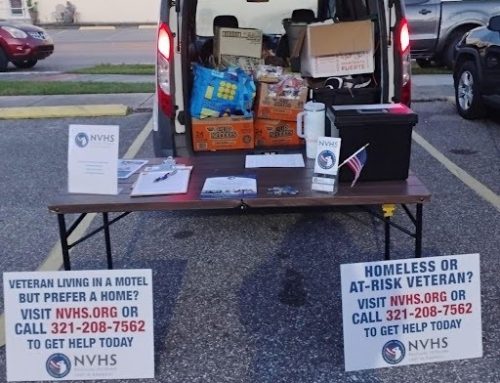
NVHS seeks to eliminate homelessness among veterans in central Florida. NVHS takes a proactive, intervention-based approach to housing instability by meeting homeless veterans where they are and helping them from there.
Through programs such as Search and Rescue Outreach, NVHS helps homeless veterans get the supplies they need to survive, connects them with support and resources, and assists them in transitioning off the streets and into temporary or permanent housing. Some of our programs also include art therapy to help veterans heal. If you’re able, consider supporting our mission by donating or signing up as a volunteer.