
VA Disability Benefits
Many veterans live with service-connected conditions for years without applying for VA disability compensation. Some assume their condition is not serious enough to qualify, while others believe too much time has passed since they left the military or feel overwhelmed by the claims process. As a result, they may miss financial support that could help offset everyday expenses, reduce financial pressure, and provide greater stability when a disability affects work or daily life.
VA disability compensation provides tax-free monthly payments to eligible veterans with qualifying service-connected conditions. Learning the basics of eligibility and where to start can help you avoid self-disqualifying before you explore your options.
To learn whether you may qualify, review the VA Disability Benefits page for eligibility requirements, the claims process, and available resources.
What Are VA Disability Benefits?
VA disability compensation is a tax-free monthly benefit available to eligible veterans with qualifying service-connected disabilities. Payment amounts vary based on the disability rating assigned by the U.S. Department of Veterans Affairs.
A service-connected disability generally refers to an illness, injury, or medical condition caused by or made worse during military service. Some conditions diagnosed after separation may also qualify if the VA determines they are connected to military service.
These monthly payments may help veterans:
- Offset everyday living expenses.
- Reduce financial pressure caused by a service-connected condition.
- Manage the impact a disability may have on employment or daily life.
- Support greater financial stability over time.
How NVHS Helps Veterans Navigate Benefits Questions and Housing Challenges
Questions about VA disability benefits often arise alongside housing instability, financial hardship, or other challenges. Veterans do not have to sort through every resource on their own.
While accredited representatives and Veterans Service Organizations provide guidance on disability claims, any Veterans Service Officer (VSO) can help with the application process and provide instruction on what is needed to file the claim. NVHS helps homeless and at-risk veterans and their families reduce confusion by connecting them with trusted organizations, benefits information, and housing-focused support where eligible we help veterans find the right next step without providing claims preparation or legal assistance.
- Street outreach for homeless and at-risk veterans.
- Prevention-focused case management.
- Transitional housing support for eligible veterans and families.
- Housing assistance and resource connections.
- Emergency supplies and basic needs support.
- Connections to benefit information and supportive community resources.
- Community education about veteran homelessness and available services.
If benefits questions are affecting your ability to move forward, we can help connect you with organizations that provide guidance while continuing to support your housing-related needs.
Who May Be Eligible for VA Disability Compensation?
Many veterans never apply because they assume they will not qualify. Every claim receives an individual review, so the first step is understanding the basic eligibility requirements rather than deciding for yourself that you are ineligible.
You Have a Current Medical Condition
The VA generally requires a current physical or mental health condition diagnosed by a qualified medical professional.
Examples may include:
- Physical injuries.
- Chronic illnesses.
- Hearing loss or tinnitus.
- Respiratory conditions.
- Mental health conditions related to military service.
- Other service-connected disabilities.
Your Military Service May Be Connected to Your Condition
In general, the VA looks for evidence that a condition is connected to military service.
This may include situations where:
- A condition developed during military service.
- Military service worsened a preexisting condition.
The evidence needed can vary depending on the claim, and the VA reviews medical records, service records, and other supporting information during the evaluation process.
You Meet VA Eligibility Requirements
Eligibility also depends on factors such as military service and discharge status. Veterans who served on active duty, active duty for training, or inactive duty training may qualify if they meet the VA’s requirements and have a qualifying service-connected condition.
How to File a VA Disability Claim
The claims process can feel complicated, but you do not need to understand every detail before taking the first step. Start with the information you have, then seek qualified guidance if you need help navigating the process.
Step 1: Gather the Records You Have
Collect any documentation that may support your claim.
Helpful information may include:
- Medical records.
- Military service records.
- Information about your disability.
- Supporting documentation from health care providers, when available.
If you do not have all the documents, you can still learn about your options. Accredited representatives and Veterans Service Organizations can help explain what information may be needed for your situation.
Step 2: Submit Your Claim
Veterans can submit VA Form 21-526EZ online, by mail, in person, or with assistance from an accredited representative or Veterans Service Organization.
NVHS does not prepare or submit disability claims. Instead, we help connect veterans with benefits information and organizations that provide claims guidance.
If you are ready to learn more, review the VA Disability Benefits page for eligibility requirements and filing options.
Step 3: Attend Any Required VA Exams
Some veterans receive a request to attend a Compensation and Pension (C&P) examination. During this evaluation, the VA gathers additional medical information to help determine whether a disability is service-connected and assign an appropriate disability rating.
Not every claim requires a C&P exam, but veterans should respond promptly if one is scheduled.
Step 4: Receive a Decision
After reviewing your application and supporting evidence, the VA issues a decision on your claim.
If your claim is approved, your disability rating determines the amount of monthly tax-free compensation you receive. Depending on your circumstances, you may also qualify for additional compensation.
Why Filing a Claim May Help Reduce Financial Strain
Many veterans continue managing service-connected conditions without realizing they may qualify for disability compensation.
For eligible veterans, monthly payments may help with daily expenses, reduce financial pressure, support housing stability, and make long-term financial planning more manageable. Filing sooner may also help protect your potential effective date if your claim is approved.
Explore your eligibility today to better understand what support may be available to you.

Don’t Wait to Explore Your Eligibility
Many veterans assume too much time has passed or believe their condition is not severe enough to qualify. Those assumptions prevent many people from learning about the options that may actually be available.
Explore your eligibility to better understand your options and whether disability compensation may help reduce financial strain caused by a service-connected condition.
Taking the first step now may help you identify available resources before more time passes.
Learn What VA Disability Benefits May Do for You
VA disability compensation may help eligible veterans reduce financial strain caused by service-connected conditions through tax-free monthly payments. Understanding the eligibility requirements and how the claims process works can help you make informed decisions about your next steps.
You do not have to navigate the process alone. While NVHS does not prepare disability claims or determine eligibility, we help veterans connect with trusted organizations, provide housing-focused support where eligible, offer prevention services, and provide reliable benefits information.
To learn more about eligibility and the claims process, review the VA Disability Benefits page and the resources available through the U.S. Department of Veterans Affairs.



2019 Homeless Census (PITC)
Volunteers Needed!!! The Brevard Homeless Coalition will be conducting our annual Point in Time Count on January 28, 2019 throughout the entire county. An accurate Point in Time Count is important for Federal, State, and local Agencies’ planning and decision making. The goal of the Brevard Homeless Coalition is to [...]
Veterans Memorial Center Stand Down 2019
Brevard County Homeless and In-Need Veteran Stand Down Date: January 26, 2019 Time: 8:00AM-3:00PM Location: National Guard Armory, 308 N. Fiske Ave. Cocoa, FL 32922 View Flyer Register as a volunteer by emailing [email protected] or call 321-453-1776 with questions. You must attend a training to volunteer. Training schedule and locations [...]
2018 Vehicle Donation to Female Veteran
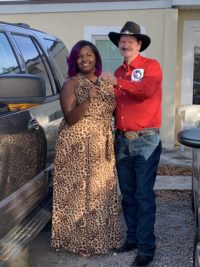
During Warm Full Safe 2018 NVHS came across a disabled female veteran named Brittany McCollum who is living at Aspire Health Partners Transitional Housing, in Cocoa, FL . We learned she has two young children and is attending college to strengthen her families future, but although her mom had let [...]