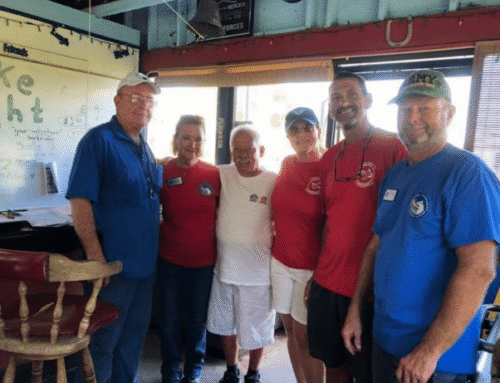
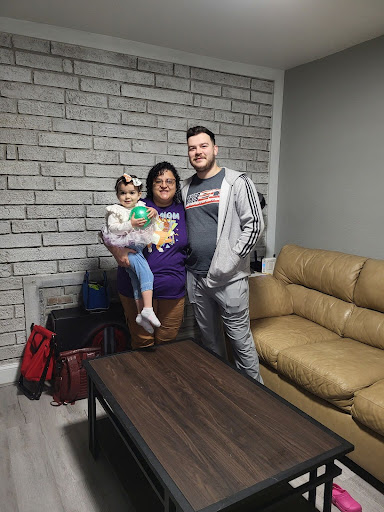
 2026 brought both progress and ongoing hardship for veterans experiencing homelessness. According to the most recent Department of Veterans Affairs Point‑in‑Time Count, approximately 32,882 veterans were without stable housing nationwide, a historic low since tracking began in 2009. At the same time, tens of thousands of veterans continue to struggle with unsheltered homelessness and its risks.
Even with these hopeful trends, homelessness remains a daily reality for too many who served. The path from service to stable housing is filled with barriers that can feel overwhelming. Understanding these challenges and knowing that support exists can help veterans and their loved ones find the resources they need. National Veterans Homeless Support (NVHS) stands with veterans every step of the way, offering practical help and compassionate advocacy. Reach out to our team today and learn how NVHS can connect you or a loved one with housing, resources, and support tailored for veterans.
Housing Is the First Step Toward Independence
Although national homelessness among veterans has declined overall, finding truly affordable housing remains one of the biggest obstacles. High rental costs, low vacancy rates, and stringent landlord requirements make it difficult for veterans to secure and maintain stable homes. Many veterans find that housing vouchers and subsidies are limited, underfunded, or tied up in lengthy bureaucratic processes.
Without an affordable place to live, even veterans with steady income can find themselves at risk. When rent increases outpace wages, and when savings are minimal after medical bills or unemployment, the threat of losing a home becomes very real. This instability not only increases the chances of homelessness but also makes it harder for veterans to recover from service‑related injuries or health issues.
NVHS works directly with local housing partners and case managers to help veterans access:
- Emergency rental assistance to prevent immediate eviction
- Transitional housing programs that provide short-term stability
- Long-term housing solutions designed to maintain independence and security
Supporting Emotional Wellness Amid Housing Instability
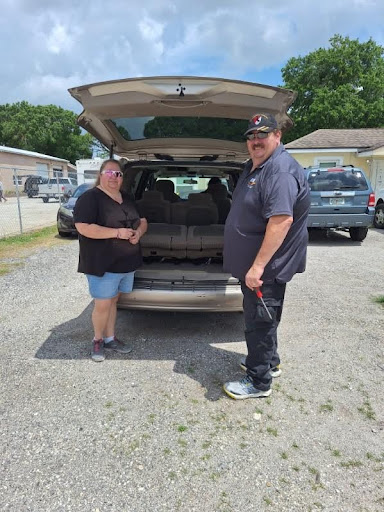 Mental health challenges, often rooted in service-related trauma, impact many veterans and can be amplified by the stress of homelessness. Conditions like post-traumatic stress disorder (PTSD), depression, and anxiety are common among veterans living without stable housing. Studies show that a significant proportion of homeless veterans have been diagnosed with mental health disorders, often at higher rates than their housed peers.
The instability of homelessness itself can worsen mental health. Without a safe place to rest or store belongings, enough regular sleep, or access to consistent healthcare, everyday survival takes priority over emotional well-being. Isolation, fear of violence, and frequent relocations all take a psychological toll.
NVHS supports veterans by connecting them with mental health professionals, counseling services, support groups, and VA programs. Because NVHS understands that healing the mind is part of healing the whole person, care includes both immediate needs and long-term wellness support. Get in touch with us now to find out how your family can access life-changing support and resources designed for veterans experiencing homelessness.
Providing Supportive Recovery While Maintaining Housing
Many veterans turn to alcohol or drugs as a way to cope with the emotional weight of trauma, loss, or daily stressors. Unfortunately, without stable housing and ongoing support, these coping mechanisms can become harmful cycles that make recovery harder and housing more elusive.
Substance use disorders can create barriers to employment, strain relationships, and limit access to programs that require sobriety for entry. Veterans may feel caught in a cycle they cannot break alone.
NVHS provides:
- Referrals to treatment programs for substance use recovery
- Access to trauma-informed rehabilitation and counseling services
- Ongoing support for housing stability while in recovery
Through steady support, veterans are helped with both housing placement and long-term recovery strategies.
Helping Veterans Find Purpose and Reliable Income
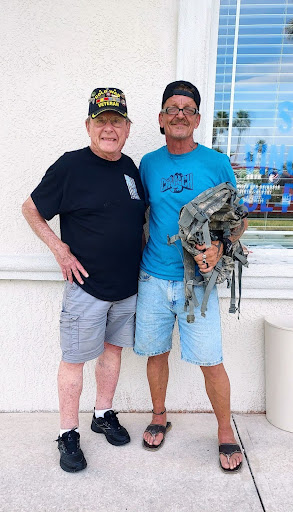 Securing employment is often harder than expected for veterans who are homeless or at risk of homelessness. Even with military experience, many veterans face obstacles when transitioning into the civilian workforce. Challenges include translating military skills into civilian language, gaps in job history due to health or family responsibilities, and transportation issues.
Stable income is tied to the ability to maintain housing, afford food, and access healthcare. Without work, even short-term setbacks like medical emergencies or car repairs can escalate into housing loss.
NVHS assists veterans with:
- Referrals to CareerSource Brevard and VA employment programs
- Connections to veteran-friendly employers
- Guidance through workforce VA programs
By linking veterans to these resources, NVHS helps create pathways to independence that are sustainable in the long run. Connect with NVHS today and take the first step toward safety, stability, and a brighter future for yourself or a veteran you care about.
Safety, Health Risks, and Exposure
Living without stable housing exposes veterans to daily risks that most people never encounter. Unsheltered homelessness can mean sleeping outside, in vehicles, or in locations without adequate protection from the weather or personal harm. These conditions increase the likelihood of illness, injury, chronic disease, or victimization.
On any given night last year, more than 13,800 homeless veterans were unsheltered, meaning they were living on streets, in cars, or in other conditions not meant for human habitation.
NVHS understands that safe shelter is more than a roof and a bed. It is the foundation of recovery, healing, and hope. Through emergency placements, winter shelter assistance, crisis outreach, and transitional living programs, NVHS helps protect veterans from the dangers of exposure while connecting them to longer-term solutions.
Family Involvement Strengthens Recovery
For veterans experiencing homelessness, having support from family and friends can be life-changing. Loved ones can help by staying informed about available resources, encouraging veterans to ask for help, and assisting with transportation, reminders, or emotional support. Reaching out to organizations like NVHS together can make the process less intimidating and more effective.
Ensuring Veterans Never Face Crisis Alone
While the challenges facing homeless veterans in 2026 are real and complex, solutions exist, and many veterans have found hope through them. NVHS offers immediate and long-term support that addresses the full spectrum of needs: housing, safety, mental health, employment, and benefits navigation.
If you are a veteran experiencing homelessness or a loved one looking for help, reach out to National Veterans Homeless Support today. Our team is here to connect you with the resources, guidance, and care you deserve. No veteran should face these challenges alone, and every step toward stability is a step toward a brighter future.