 Homelessness remains one of the most pressing social issues in the United States. According to the 2025 State of Homelessness report, more than 770,000 people experienced homelessness on a single night in 2024, marking an 18 percent increase from the previous year. Despite the scope of this crisis, myths and misconceptions about homelessness persist, creating barriers to understanding, empathy, and effective solutions. These false narratives not only misrepresent the realities of homelessness but also harm individuals experiencing it, including veterans, and impede efforts by organizations like National Veterans Homeless Support (NVHS) to provide life-saving services.
Understanding the truth about homelessness is critical to supporting veterans and other vulnerable populations effectively. Misconceptions perpetuate stigma, make it harder for those experiencing homelessness to seek help, and reduce public willingness to invest in proven solutions. Veterans are particularly at risk, as many face compounded challenges including service-related disabilities, PTSD, and limited access to affordable housing. Dispelling myths is essential to ensure that these individuals receive the support they need through housing assistance, food programs, mental health services, and rapid-response outreach initiatives.
Myth: Homeless Individuals Are Violent or Dangerous
A common and persistent misconception is that homeless individuals are inherently violent or pose a threat to the public. Research consistently disproves this claim. In reality, people experiencing homelessness are far more likely to be victims of violence than perpetrators.
Studies indicate that assaults, robberies, and other attacks on homeless individuals are frequent and often underreported. A 2014 study revealed that nearly half, 49%, of participants experienced violence while living without stable housing. Experts have noted that these numbers may have increased in recent years, particularly as homelessness continues to grow in urban and suburban communities alike.
Yet when a homeless individual does commit a violent act, media coverage often sensationalizes it, amplifying fear and reinforcing the myth. Misrepresentation by news outlets perpetuates public bias and discourages empathy for those struggling with housing insecurity. NVHS recognizes this stigma as a barrier to care and actively works to educate communities about the realities of homelessness, emphasizing that veterans and others living without shelter are vulnerable, not inherently dangerous.
Myth: Homeless Individuals Are Lazy or Choose To Be Homeless
Another pervasive misconception is that homelessness results from laziness or poor life choices. Many people assume that homeless individuals simply refuse to work or are unwilling to take responsibility for their circumstances.
The truth is far more complex. Many individuals experiencing homelessness, including veterans, are actively employed but cannot afford rising rents or high costs of living. Others would welcome employment opportunities but face structural barriers that make finding and maintaining a job extremely difficult. Without a mailing address, access to a computer, transportation, or clean clothing, even submitting a basic job application can be a major challenge.
Most of the factors that lead to homelessness, mental illness, substance use disorders, domestic violence, unaffordable healthcare, poverty, and a lack of permanent housing, are largely outside an individual’s control. Veterans in particular may face additional challenges, including service-related disabilities, PTSD, or limited access to VA benefits. NVHS addresses these challenges through comprehensive programs that provide not only emergency supplies and shelter but also assistance in navigating benefits, securing healthcare, and finding permanent housing.
It’s also important to recognize that homelessness can affect anyone. Many individuals are only one unexpected bill, medical crisis, or job loss away from losing their home. By dispelling the myth of personal choice, we can create policies and support systems that prevent homelessness before it occurs, rather than reacting after someone falls into crisis. Connect with our team today to learn how your support can provide shelter, meals, and essential resources to veterans in need.
Myth: Eliminating Homelessness Isn’t Possible
 Some assume that because homelessness persists, solving the problem is impossible. This belief is both inaccurate and harmful. Proven strategies, including transitional supportive housing, rapid rehousing, and coordinated outreach programs, have demonstrated success in reducing homelessness in communities across the country.
The challenge lies not in the lack of solutions but in the inconsistent application and underfunding of these programs. Experts at organizations like the Coalition for the Homeless stress that with adequate resources, strong community partnerships, and consistent commitment, homelessness can be dramatically reduced, and veterans can achieve housing stability.
NVHS exemplifies this approach by focusing on rapid intervention and long-term outcomes. Their proactive programs meet homeless veterans where they are, whether on the streets, in temporary shelters, or staying with friends, and provide immediate assistance while simultaneously connecting them to benefits, housing, and supportive services. By combining emergency response with case management, NVHS creates a pathway out of homelessness that is sustainable and effective.
Comprehensive Support That Creates Lasting Stability
National Veterans Homeless Support has a comprehensive, intervention-based model designed to address both the immediate and underlying causes of homelessness among veterans. Some of NVHS’s key programs include:
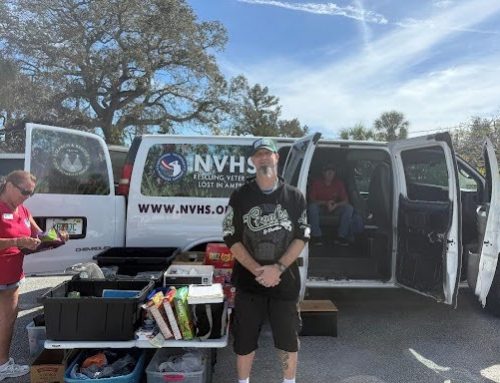
- Search & Rescue Outreach: Volunteers connect directly with homeless veterans to provide essential supplies such as meals, clothing, blankets, and hygiene kits. Outreach teams also offer guidance for accessing healthcare and benefits.
- Transitional and Permanent Housing Assistance: NVHS helps veterans move from temporary shelters into stable, permanent housing, often covering costs for deposits, furniture, and household essentials.
- Case Management and Benefits Navigation: Staff work with veterans to process VA claims, access healthcare, enroll in mental health services, and find employment or educational opportunities.
- Community and Volunteer Support: NVHS partners with local organizations, churches, and community groups to amplify impact and provide a network of care for veterans.
By addressing both immediate survival needs and long-term stability, NVHS reduces the risk of chronic homelessness and promotes holistic wellness for veterans. Reach out now to discover ways to volunteer, donate, or advocate for programs that give veterans safety, stability, and hope.
Take Action to Educate and Empower Veterans
 Awareness is the first step in combating homelessness and changing public perception. Learning the facts and sharing them with friends, family, and local communities can help reduce stigma. Beyond education, there are many actionable ways to make a difference:
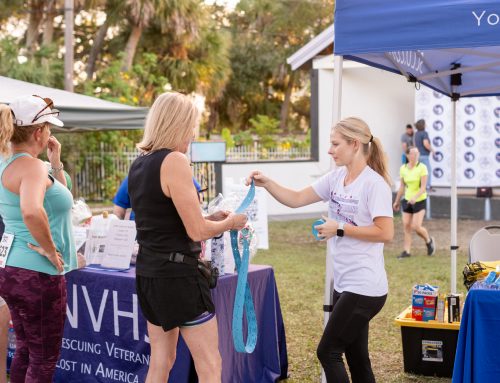
- Volunteer with NVHS: Join outreach efforts, assist at food distributions, or help furnish transitional housing.
- Donate: Contributions support emergency supplies, housing costs, and programs that connect veterans to benefits and services.
- Advocate: Contact local leaders and policymakers to support affordable housing initiatives and veteran-focused social services.
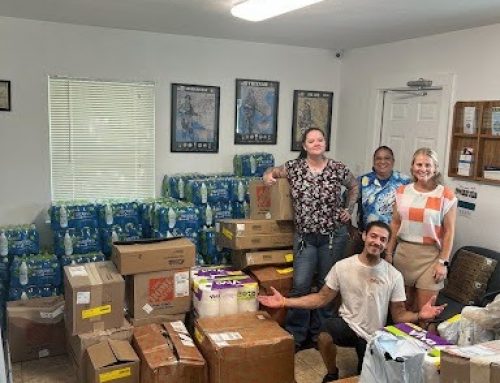
- Partner with NVHS: Organizations and businesses can collaborate on drives for clothing, hygiene products, or meals for veterans in need.
Every act of support helps create a community where veterans are treated with dignity and provided the resources necessary to thrive.
Together, We Can End Veteran Homelessness
Homelessness is a complex issue, particularly for veterans who face unique challenges related to service, health, and reintegration into civilian life. Myths and misconceptions, such as beliefs that homeless individuals are lazy, violent, or beyond help, only exacerbate the problem by fostering stigma and reducing access to essential support.
National Veterans Homeless Support combats both homelessness and harmful misconceptions by providing rapid response, housing assistance, case management, and community outreach tailored to veterans. By supporting NVHS, whether through donations, volunteering, or advocacy, you can help ensure that veterans have access to food, shelter, healthcare, and long-term stability.
If you want to make a tangible difference in the lives of veterans experiencing homelessness, connect with NVHS today. Your support helps save lives, restore dignity, and build pathways toward permanent stability for those who have served our country.