Veteran homelessness is still a critical challenge in 2025, driven by rising living costs, a lack of affordable housing, mental health struggles, and difficulties finding stable jobs. These issues and gaps in support systems make it even harder for veterans to find the stability they deserve.

Here, we will explore the key challenges for homeless veterans and provide actionable tips for addressing them.
Every night, thousands of veterans are sleeping in cars, on sidewalks, or in shelters—heroes who once served our country, now struggling to survive. But with your help, we can change that. Donate, volunteer, or advocate today—and help ensure no veteran is left behind.
Why Affordable Housing is Out of Reach for Veterans—and How to Change It
The shortage of affordable housing remains one of the most pressing challenges for homeless veterans in 2025. Rental prices, limited availability, and insufficient support systems leave many veterans without stable housing. Urban areas, in particular, exacerbate the problem due to higher demand and constrained supply.
- In January 2024, there were 32,882 veterans without stable housing.
- As of August 2024, there was a 0.8% increase in rent year-over-year.
- Most eligible households, including nearly all severely cost-burdened veterans, don’t receive rental assistance due to funding limitations.
- High-cost, low-vacancy rental housing markets make it easier for veterans to become homeless and more challenging for them to escape homelessness.
NVHS tackles the affordable housing crisis through comprehensive programs that ensure veterans in the Central Florida Area regain stability and security:

- Rental Assistance Programs provide emergency financial support to bridge the gap between soaring rents and stagnant incomes. These programs have already helped hundreds of veterans avoid eviction and homelessness.
- Transitional Housing initiatives offer veterans a safe, stable environment while they work toward permanent housing solutions, such as securing long-term leases or purchasing affordable homes.
These initiatives address immediate needs and long-term solutions, ensuring veterans have shelter and the opportunity to thrive.
The Mental Health Crisis Among Homeless Veterans
For many veterans, the battle doesn’t end after service. Mental health challenges like PTSD, depression, and anxiety often follow, creating significant barriers to stability. Unfortunately, the stigma surrounding mental health and limited access to care means many veterans go without the support they need. Unstable living situations often exacerbate these conditions for homeless veterans.
- 48% to 67% of homeless veterans were diagnosed with mental disorders, about double the rate of their domiciled counterparts.
- The suicide rate for veterans is 1.5 times higher than that of the general population.’
- The presence of mental disorders (substance-related disorders and/or mental illness) is the strongest predictor of becoming homeless after discharge from active duty.

At NVHS, we understand the unique mental health challenges veterans face. While NVHS does not provide direct mental health services, we focus on offering support and connecting veterans to resources that prioritize accessibility, empathy, and effectiveness.
PTSA Program
This comprehensive initiative supports individuals with PTSD while educating the broader community. Built on three foundational pillars:
- Awareness: Educating the community about PTSD and dispelling myths.
- Action: Offering access to essential resources like therapy and support groups.
- Anonymity: Providing a safe and discreet environment for those seeking help.
This structure ensures that individuals living with PTSD feel supported while maintaining their privacy. The program aims to break down the stigma surrounding PTSD and foster a compassionate community where sufferers are empowered to seek help.
NVHS Resources
NVHS actively supports veterans by providing essential resources and connections that address their unique challenges.
For more resources and information, click here.
The Job Struggles Keeping Veterans in Poverty
Despite their skills, discipline, and commitment, many veterans face hurdles transitioning into civilian careers. Outdated skills, employer discrimination, and a lack of resources leave many unemployed or underemployed, pushing them toward economic instability.
- Almost half of veterans and military families describe their transition from military service as either “difficult” or “very difficult.”
- Studies indicate that over 60% of veterans are underemployed—working in situations where their experience, skills, and education are not commensurate with their role.
- Finding a job is named the most significant challenge in transitioning, and transferring military skills to a civilian environment is also a major hurdle.
At NVHS, we help veterans translate their abilities into job opportunities by connecting them with specialized agencies like CareerSource Brevard.
Our support includes referrals to resources offering resume writing workshops, interview preparation, and other essential tools to ensure veterans succeed in the job market.
Rising Costs of Living
Inflation continues to erode the financial stability of low-income veterans, with rising costs for essentials like food, healthcare, and transportation. For homeless veterans, who often rely on fixed incomes such as disability benefits, this trend intensifies their vulnerability.
- About a third of veterans who served after 2001 pay more than 30% of their income on housing.
- Rising food prices make it harder for military families, including veterans, to afford nutritious meals.
- Increased gas prices impact veterans who must commute long distances for work, school, or shopping.
As part of our Transitional Housing program, we provide veterans with access to essential financial education courses. These courses teach budgeting, saving, and future planning skills, empowering veterans to take control of their finances and build long-term independence and stability.
Also, you can find resources for financial independence here.
Inspiring Stories of Strength and Resilience
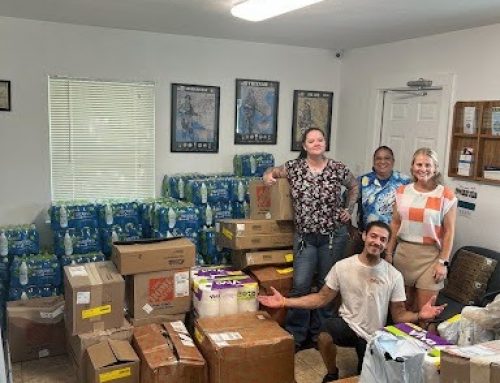
In 2024, NVHS provided rental assistance to 102 veterans, preventing homelessness. This is possible thanks to our incredible supporters, team, and volunteers.

Navy veteran R. Donnelly and his partner, once facing the harsh reality of homelessness, found renewed hope and vital support through NVHS. After losing his job and nearing eviction, NVHS’s Transitional Housing program gave Donnelly the stability he needed to regain employment and rebuild his finances. In just eight months, they eliminated their debts, repaired their car, and moved into a stable, affordable apartment—partially funded by NVHS. Today, debt-free and thriving, the couple is saving for the future and growing their candle business with plans to transition to full-time entrepreneurship. This incredible turnaround highlights the profound impact NVHS has on transforming veterans’ lives and helping them achieve lasting success.
The success stories from veterans like R. Donnelly are a testament to the life-changing impact that NVHS has on the lives of those who served.
With your continued support, we can empower more veterans to overcome challenges and build brighter futures.
Together, we can ensure that no veteran is left to face homelessness or uncertainty. Your support can be the lifeline they desperately need.
5 Tips to Help Address Veteran Challenges
While organizations like NVHS play a vital role, community involvement is essential to tackling challenges for homeless veterans. Here are some ways you can help:
- Educate Yourself: Read our in-depth guide on veteran homelessness here.
- Support Local Organizations: Donate to nonprofits like NVHS that directly serve homeless veterans.
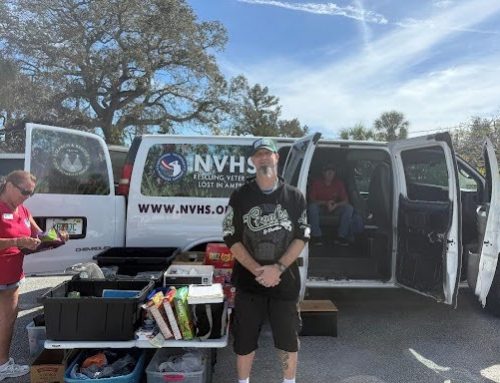
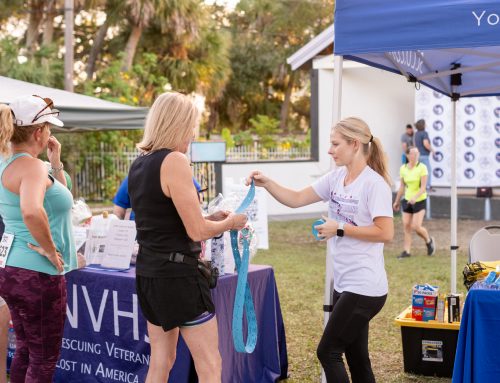
- Volunteer Your Time: Sign up for NVHS’s next outreach event today!
- Hire a Veteran: Learn how your business can employ veterans and receive tax incentives.
- Advocate for Change: Contact your local representatives and urge them to prioritize funding for affordable housing and mental health services for veterans.
Make a Difference for Veterans Today
Veterans gave everything for our country. Now, it’s time for us to give back. Your support can make a world of difference, whether through a donation, volunteering, or simply spreading the word about NVHS.
Let’s make 2025 the year we turn the tide on veteran homelessness.
Frequently Asked Questions
I am a landlord, and would like to help. How can I offer rooms to rent for veterans?
A great way for landlords to help provide housing for veterans is to accept housing choice vouchers. Under the Housing and Urban Development-Veterans Affair Supportive Housing (HUD-VASH) program, veterans receive housing choice vouchers to help them pay for housing.
You can contact your local public housing agency (PHA) or nearest VA medical center to get started with the process to sign up to accept vouchers and learn more about the program. You can learn more about how to get started at the VA website.
Once you are ready to accept housing vouchers, you can reach out to your nearest VA medical center or housing authority, and let them know that you are offering units for veterans and accept HUD-VASH and housing choice vouchers. These agencies help connect veterans looking for homes with landlords.
Are there any FL state benefits for homeless veterans?
Florida participates in federal programs like HUD-VASH and the Supportive Services for Veteran Families program that help veterans that are homeless or at risk of becoming homeless.
Contact us, and NVHS can help you find what benefits you may be eligible for.
What to do if I am a veteran at risk of becoming homeless?
NVHS offers programs to help homeless veterans and veterans at risk for homelessness, such as transitional housing and rental assistance.
NVHS can also assist you in navigating government programs and benefits available to you, like HUD-VASH. This program offers housing vouchers for veterans to assist in paying rent.
What percent of the homeless population are veterans?
According to the HUD’s annual Point-In-Time report, in 2024 5.3% of all adults experiencing homelessness are veterans. Of these homeless veterans, about four out of every ten were unsheltered.
NVHS works to help find these unsheltered, at-risk veterans and provide them temporary housing, mental health care, and job training. Donate today to help our mission.
Does NVHS help homeless veterans with families?
Yes, NVHS helps veterans along with their partners and families find housing.