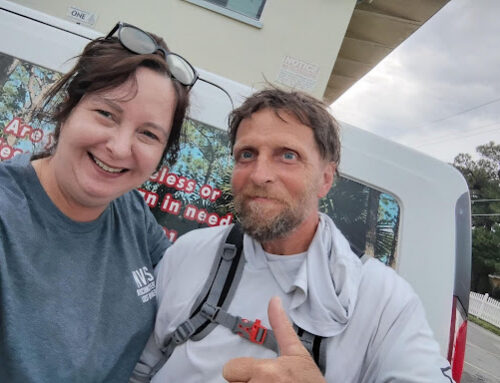
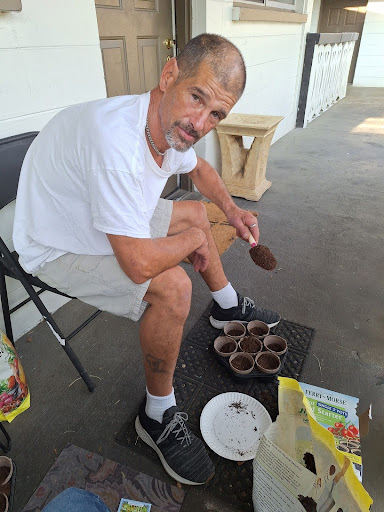
 For veterans experiencing homelessness, nightfall can be one of the most dangerous times of the day. Without a safe place to sleep, they are exposed to harsh weather, potential violence, and a decline in both physical and mental health. Cold nights, heavy rain, or sweltering heat pose immediate risks, particularly for veterans managing chronic conditions, service-related injuries, or disabilities. Beyond these physical dangers, sleepless nights exacerbate stress, anxiety, and symptoms of post-traumatic stress disorder. Over time, this can make recovery and stability increasingly difficult to achieve.
National Veterans Homeless Support (NVHS) understands these risks and works tirelessly to ensure veterans have access to shelter. For many, the first night spent in a safe, secure environment represents a turning point. Shelter offers more than protection; it restores dignity, provides relief from stress, and gives veterans the strength to take steps toward rebuilding their lives. Reach out to our team today to connect a veteran with shelter, essential supplies, or ongoing support and be part of their journey to safety and stability.
Safe Shelter That Restores Hope and Stability
Shelter give veterans a secure place where their immediate needs are met, and safety is guaranteed. By removing the constant threat of exposure or harm, veterans can focus on critical next steps: connecting with case managers, accessing healthcare, or pursuing employment. NVHS coordinates with local shelters and community partners to provide rapid placement for veterans in crisis. These programs ensure that those most at risk can find safety without delay.
Shelter also provides structure, which can be a stabilizing force for veterans who have experienced prolonged instability. A safe place to sleep allows veterans to rest, regain mental clarity, and engage with supportive services that will guide them toward longer-term solutions. Even a single night in a secure shelter can have a profound impact on a veteran’s ability to take meaningful steps toward recovery.
Protecting Bodies and Minds During Vulnerable Times
The health consequences of being unsheltered are severe. Veterans who sleep outside or in unsafe conditions face higher risks of hypothermia, frostbite, infections, and other medical complications. Chronic conditions, such as diabetes or heart disease, often worsen without a stable environment. Furthermore, sleep deprivation and exposure to stress exacerbate mental health challenges, making it harder for veterans to engage with recovery programs or maintain a sense of well-being.
NVHS addresses these concerns by integrating shelter with access to healthcare and mental health services. Shelter placement is paired with guidance on connecting to VA programs, medical care, and counseling. This holistic approach ensures that veterans are not simply protected for one night but are supported on a path toward long-term health and stability. Contact our team now to learn how you can help veterans secure a safe place to sleep tonight and access the resources they need to rebuild their lives.
Beyond Shelter: Moving From Safety to Independence and Growth
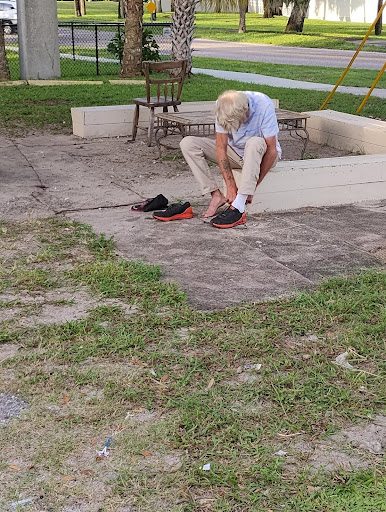 While shelter addresses immediate risks, NVHS understands that lasting change requires a longer-term strategy. Veterans in shelters are connected to transitional housing programs, case management, and employment resources. This approach allows them to move from survival mode to a state of progress and independence.
In transitional housing, veterans receive support in:
- Securing permanent housing solutions
- Managing finances and benefits
- Rebuilding family connections
- Accessing vocational training and job placement
By addressing both immediate needs and long-term stability, NVHS helps veterans rebuild their lives with a sense of safety and hope. Shelter is the starting point that enables veterans to engage fully with these programs and take meaningful steps toward independence.
Supporting Veterans Starts With Your Involvement
Families, friends, and community supporters play a critical role in connecting veterans with NVHS’s services. They can provide emotional support, help navigate resources, and advocate for their loved ones to receive shelter and supportive programs. Even simple actions, like reaching out to NVHS on behalf of a veteran or helping them access transportation to a shelter, can make a life-saving difference.
Supporters can also participate by:
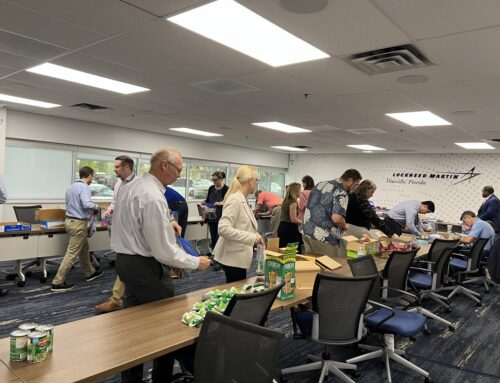
- Volunteering with NVHS outreach efforts
- Donating essential items such as blankets, clothing, and hygiene supplies
These contributions help ensure that veterans have both the immediate safety they need and the tools to move toward long-term stability. Get in touch with NVHS now to provide life-saving assistance through shelter placement, food support, or guidance for connecting veterans to the programs that make a difference.
Providing Safety, Support, and a Brighter Future
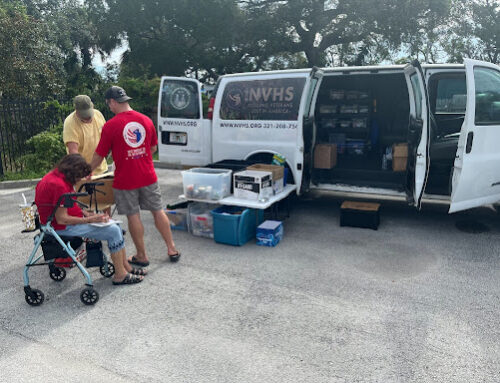
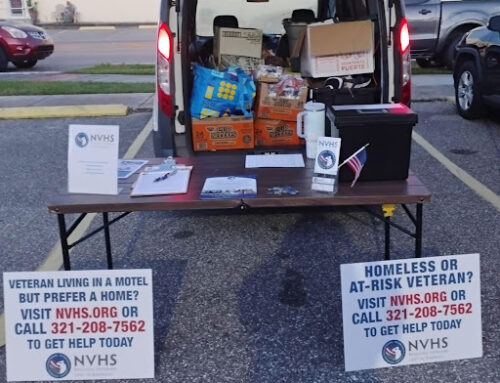
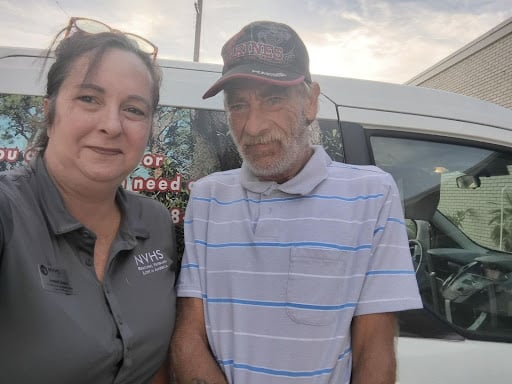 NVHS has a proven record of supporting veterans at risk of homelessness. From Search & Rescue Outreach to transitional housing and shelter programs, NVHS meets veterans where they are and provides critical assistance. The organization’s comprehensive approach ensures that no veteran faces the dangers of homelessness alone.
Shelter is just the beginning. With NVHS, veterans gain access to medical care, mental health resources, and ongoing support that promotes independence and personal growth. Families and community members who connect with NVHS witness firsthand the transformative impact of shelter and support on veterans’ lives.
Help Ensure Every Veteran Has a Safe Place Tonight
Every night, veterans in Brevard County and beyond face the dangers of homelessness. Shelter can save lives, restore dignity, and provide the stability necessary for recovery. NVHS offers these critical services every day, but they cannot do it alone.
If you are a veteran in need, a family member, or a community supporter, reach out to NVHS today. Learn how to access shelter, donate essentials, volunteer, or connect a veteran to life-saving resources. Your involvement ensures that every veteran has the protection, care, and opportunity to rebuild their life. A safe night’s sleep is more than rest; it is hope, security, and the first step toward a brighter future.