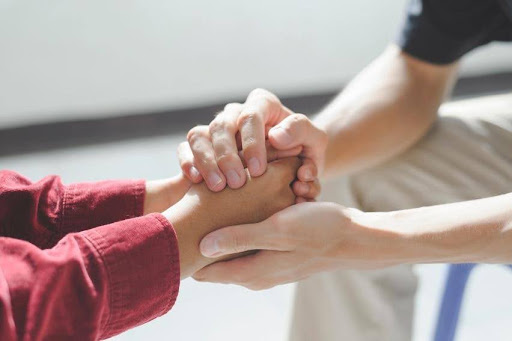
PTSD awareness should not be limited to a date on the calendar. For veterans living with the effects of trauma, understanding, compassion, and access to supportive resources matter throughout the year. Awareness without action does not help veterans facing real daily challenges. Lasting support comes from reducing stigma, understanding how trauma affects everyday life, and helping veterans connect with practical resources that promote stability.
When communities understand that PTSD does not look the same for every veteran, they are better prepared to respond with patience, avoid harmful assumptions, and point veterans toward appropriate resources. That understanding creates stronger support systems for veterans and their families throughout the year.
Need Support?
If you are a veteran or family member looking for assistance, visit our Get Help page to connect with housing resources, outreach programs, and community support.
Want to Make a Difference?
Support our mission with a donation or become a year-round corporate partner to help us continue outreach, community education, housing-focused support, and resource connections for homeless and at-risk veterans.
PTSD Awareness Is More Than Recognition
Public awareness has helped more people recognize post-traumatic stress disorder, but recognition alone does not create understanding. Veterans still encounter misconceptions about what PTSD looks like and how it affects everyday life.
Every veteran’s experience is different. Some openly discuss their experiences, while others choose to manage their struggles privately. Trauma can affect relationships, employment, financial security, housing stability, and daily routines in ways that are not always visible.
Communities become stronger when they replace assumptions with understanding. Learning about trauma helps people respond with compassion instead of judgment and creates opportunities to connect veterans with resources that support long-term stability.
PTSD Awareness Includes Practical Support
Awareness becomes meaningful when it leads to action.
Many people want to help veterans but are unsure what year-round support looks like. Meaningful support extends beyond conversations. It includes reducing stigma, encouraging respectful dialogue, helping veterans find community resources, volunteering, donating, and supporting organizations that provide housing-focused services throughout the year.
Our work focuses on helping homeless and at-risk veterans and their families through outreach, prevention efforts, housing support, community education, and resource connections. While we do not provide clinical mental health treatment, we help connect veterans with organizations and services that support long-term stability.
Practical Ways to Support Veterans
You can make a difference throughout the year by:
- Learning about the lasting effects of trauma.
- Challenging misconceptions about PTSD.
- Volunteering with veteran-serving organizations.
- Donating to support housing-focused services and outreach.
- Supporting organizations through year-round corporate partnerships.
- Sharing accurate information that encourages understanding.
- Helping veterans connect with available community resources.
Housing Stability Supports Overall Well-Being
Housing stability provides a stronger foundation for veterans rebuilding their lives. Veterans experiencing homelessness or housing insecurity often face additional challenges while managing the lasting effects of trauma.
We help veterans move toward greater stability by providing or connecting them with services such as:
Street Outreach
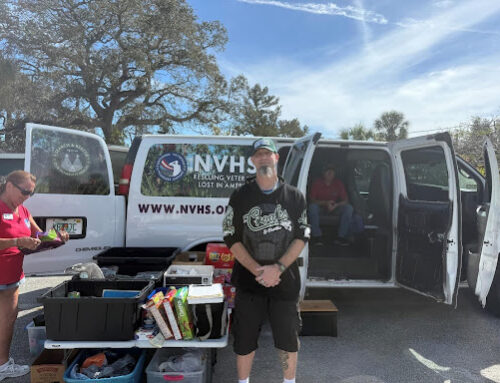
We identify veterans experiencing homelessness or housing instability and connect them with available community resources.
Prevention-Focused Support
Helping veterans address challenges before they become housing crises strengthens long-term stability for individuals and families.
Housing and Resource Connections
We connect veterans with housing programs, shelter resources, and supportive services that encourage lasting progress.
Emergency Supplies
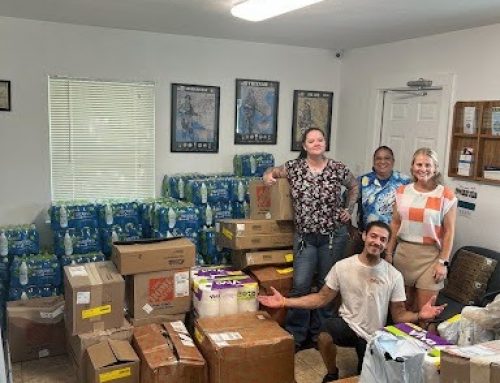
Food, hygiene products, survival gear, and other essential items help meet immediate needs while veterans work toward stable housing.
Meeting practical needs helps veterans focus on building a more secure future.
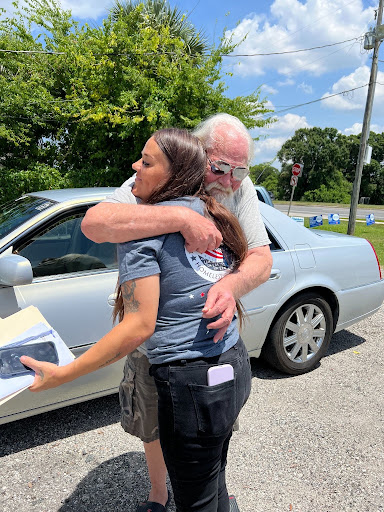
Understanding the Everyday Impact of Trauma
Trauma does not always appear in obvious ways. Many veterans continue working, raising families, and participating in their communities while managing lasting effects from their military experiences.
Some veterans may experience:
- Increased stress during major life changes.
- Difficulty maintaining stable housing after financial hardship.
- Feelings of isolation or disconnection.
- Barriers to accessing community resources.
- Reluctance to ask for help because of stigma.
- Ongoing emotional or practical challenges that affect stability.
Recognizing these realities helps communities respond with patience and understanding instead of making assumptions. Early support and resource connections can help veterans overcome barriers before challenges become more difficult to manage.
Communities Play an Important Role
Supporting veterans is not the responsibility of nonprofit organizations alone. Every community member can help create an environment where veterans feel respected, understood, and connected.
Simple actions can have a lasting impact.
Communities strengthen support by:
- Learning more about trauma and veteran experiences.
- Sharing accurate information that reduces stigma.
- Volunteering throughout the year.
- Supporting veteran-serving organizations through donations or year-round corporate partnerships.
- Donating needed supplies that assist veterans facing hardship.
- Encouraging respectful conversations about mental wellness.
When communities stay engaged throughout the year, veterans gain stronger support networks and better access to resources that encourage long-term stability.
Education Helps Reduce Stigma
Misunderstanding remains one of the biggest barriers many veterans face. Stigma is more than an unfair perception. It can discourage veterans from asking for help, delay connections to valuable resources, and make housing or stability challenges even harder to overcome.
Education helps communities recognize that PTSD affects each veteran differently. That understanding allows friends, family members, employers, neighbors, and community leaders to respond with empathy and practical support instead of assumptions.
Reducing stigma can make it easier for veterans to ask for help and connect with resources that support housing stability, community connection, and long-term well-being.
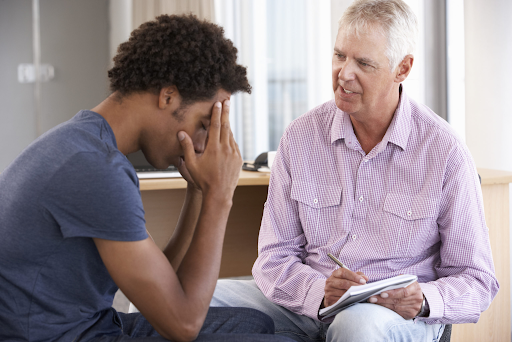
Compassion Creates Stronger Support Systems
PTSD awareness has the greatest impact when it inspires action. Understanding trauma, reducing stigma, and supporting practical resources help create stronger communities where veterans feel respected and supported.
Through outreach, community education, housing-focused support, and resource connections, we help homeless and at-risk veterans take meaningful steps toward greater stability. Lasting progress depends on communities that remain engaged throughout the year.
Veterans Looking for Support
If you or someone you know is a veteran in need, visit our Get Help page to explore available housing resources, outreach services, and community support.
Support Veterans Year-Round
If you want to strengthen support for homeless and at-risk veterans, donate or become a year-round corporate partner. Your support helps us continue outreach, community education, housing-focused support, and resource connections that make a lasting difference every day.