 When service-related conditions do not end at the gate, many veterans find that the toughest battles begin after leaving the military. Without stable housing, they are more vulnerable to trauma, mental health struggles, and isolation, increasing the risk of suicide. Providing safe, supportive housing helps veterans regain stability, rebuild community, and reclaim their lives. Our programs connect veterans with the resources, care, and housing they need to thrive after service.
Preventing veteran suicide is not the responsibility of a single person or agency; it requires a united effort from communities, neighbors, and organizations who understand that no veteran should ever feel forgotten.
If you or a loved one are struggling, you do not have to face this alone. Get in touch with NVHS today and let a team who understands your journey guide you toward mental health care, stable housing, and the resources you need to take the next step forward.
Supporting Mental Health to Achieve Recovery and Stability
Mental health is at the core of veteran well-being. Combat experiences, long deployments, and the strain of military service can lead to post-traumatic stress, depression, and anxiety. Without treatment or consistent care, these conditions can worsen over time. For veterans without stable housing, seeking help becomes even more difficult. Appointments are hard to keep without transportation. Medications are difficult to manage without a safe place to store them. Isolation can make it harder to see a way forward.
Communities must recognize that suicide prevention begins with access to compassionate, consistent mental health support. Whether through counseling, peer groups, or crisis hotlines, connecting veterans with resources helps restore hope and creates a pathway out of despair.
Stability Begins With Secure Housing
Housing is more than a roof over one’s head; it is the foundation for rebuilding a stable life. Without it, every challenge feels larger. Securing housing gives veterans the safety and stability they need to focus on recovery, manage health needs, and reconnect with community.
Many organizations now use the “housing first” approach, where the immediate priority is getting veterans into safe housing without unnecessary barriers. Once stability is in place, mental health services, addiction recovery programs, and employment support become far more effective. A home provides the grounding veterans need to begin healing.
Community Involvement Saves Lives
 Preventing veteran suicide cannot rest solely on the shoulders of veterans themselves. It requires communities to take action, educate themselves, and extend a hand. Every person, neighbor, local business, faith group, and civic organization has the power to make a difference. Here are some ways communities can step up:
- Learn the signs of crisis. Understanding the warning signs of suicide allows communities to recognize when a veteran may need immediate support. Look out for:
- Withdrawal from friends, family, or activities
- Persistent feelings of hopelessness
- Talking about being a burden to others
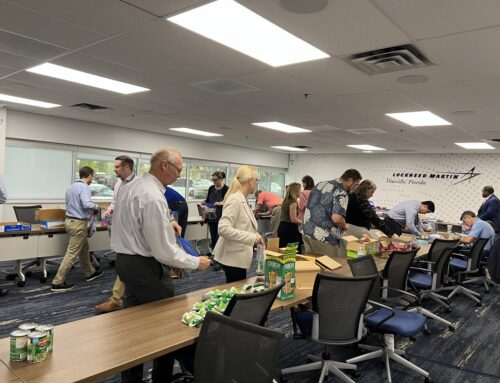
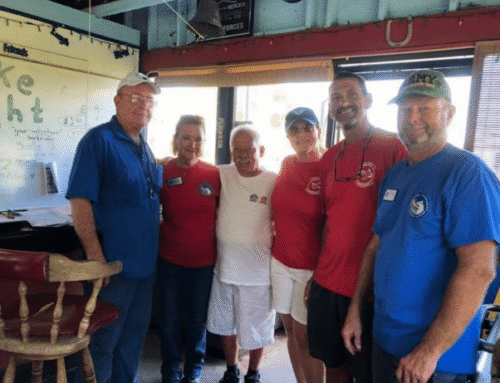
- Partner with veteran organizations. Local nonprofits like National Veterans Homeless Support (NVHS) are on the frontlines. Partnering with them through donations, volunteering, or outreach expands their ability to help more veterans.
- Support peer connection. Veterans often find comfort and trust in talking with other veterans who understand their experiences. Communities can encourage peer support groups and mentorship programs that help veterans feel less alone.
- Break down stigma. Too often, veterans avoid seeking mental health help because of shame or fear of judgment. Communities can change the conversation by openly supporting mental health care as a sign of strength, not weakness.
Every veteran deserves a chance to feel safe, supported, and heard. Call NVHS now and discover how our compassionate programs can help you navigate recovery and connect with the care you deserve.
How Connection Sparks Healing and Resilience
One of the greatest risk factors for suicide is isolation. When veterans feel invisible or disconnected, despair can grow. The antidote to this isolation is connection, consistent, genuine human contact that reminds veterans they are valued and not alone.
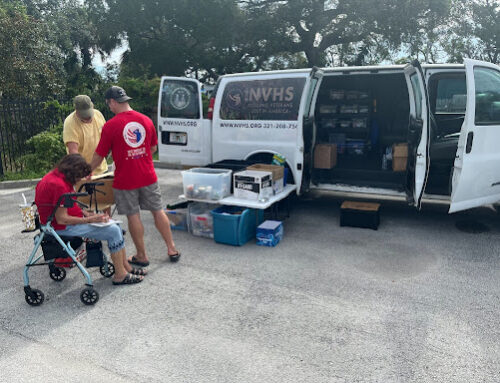
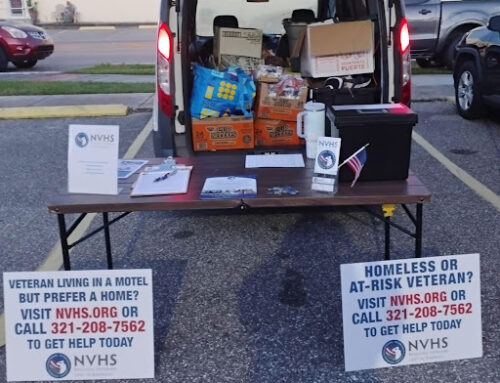
Small acts of kindness, like checking in on a neighbor who served or inviting a veteran to community events, may seem simple but can have a powerful impact. For veterans without homes, organizations that provide outreach in shelters, on the streets, and in encampments are essential in breaking through barriers of isolation and building trust.
Addressing Addiction as Part of Healing and Recovery
Addiction often overlaps with mental health struggles. For many veterans, substances like alcohol or drugs may feel like a way to cope with trauma or pain. Yet addiction increases the risk of homelessness, deepens isolation, and heightens the danger of suicide.
Communities must approach addiction not with judgment, but with compassion. Integrating addiction recovery programs with mental health care creates a more complete support system for veterans. Recovery becomes possible when treatment addresses both the physical and emotional wounds.
Recovery is not about starting perfectly; it is about taking the next step. Reach out to NVHS and find a team ready to walk with you, provide guidance, and make sure you are never alone on this journey.
A Shared Responsibility
 Every veteran deserves to feel safe, supported, and hopeful about their future. Suicide prevention is not about statistics; it is about people who once wore the uniform, who still carry the pride of service, and who deserve to be treated with dignity. Communities have a shared responsibility to ensure no veteran falls through the cracks.
Working together means advocating for housing resources, expanding access to mental health care, and breaking down the stigma that keeps veterans from seeking help. It means recognizing that veterans experiencing homelessness are not defined by their struggles, but by their resilience and potential to heal.
Take the Next Step With NVHS by Your Side
The mission to prevent veteran suicide and end veteran homelessness is urgent, but it is also possible when communities come together. At National Veterans Homeless Support, we are committed to walking beside veterans every step of the way. From providing housing assistance to connecting veterans with mental health resources, our programs are designed to restore stability, hope, and dignity.
Now is the time for action. If you are a veteran experiencing homelessness, or if you know someone who is, reach out. Let NVHS be your partner in finding the support you need.