Veteran resilience is often described as the ability to keep going through difficult circumstances. That strength matters, but it can also create an unintended message: that veterans should be able to handle housing instability, financial hardship, trauma, or the challenges of returning to civilian life without help.
We see resilience differently. A veteran can be strong and still need a safe place to live, reliable resources, supportive relationships, or help navigating an unfamiliar system. Asking for assistance does not erase independence. It can protect it.
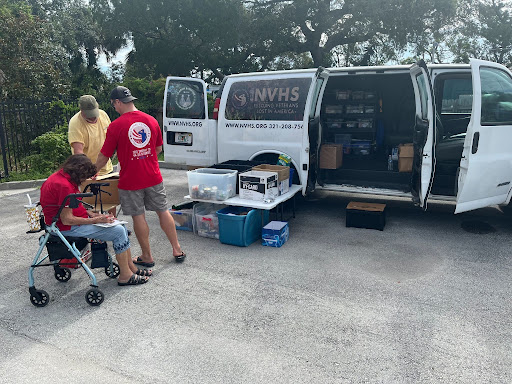
Our work at National Veterans Homeless Support focuses on helping homeless and at-risk veterans move toward housing stability through outreach, prevention case management, transitional housing, and connections to appropriate resources. Since 2008, we have worked to reduce veteran homelessness in Brevard County while building stronger pathways to support throughout Central Florida.
If you or a veteran you know needs support use our chatbot for more information, or if you are facing homelessness use our Get Help page to access available resources.
What Does Veteran Resilience Really Mean?
Strength Does Not Require Isolation
Resilience can include persistence, adaptability, problem-solving, responsibility, and the ability to keep moving forward after difficult experiences. Veterans may draw on many of these strengths as they navigate changes after military service.
Those qualities should not become a reason to overlook the circumstances surrounding a veteran. A person can be resourceful while struggling to pay rent. Someone can be determined while living in a vehicle. A veteran can make decisions while still needing help understanding housing programs or benefits.
Housing instability can also make other challenges harder to manage. Without a stable place to live, maintaining employment, managing health needs, keeping appointments, storing important documents, and staying connected to family can become more difficult. NVHS recognizes housing as a foundation for addressing other barriers to stability.
Asking for Help Can Be Part of Moving Forward
Seeking assistance does not mean a veteran has failed to overcome a challenge. It means recognizing when additional resources could make the path forward more manageable.
That distinction matters because some veterans may hesitate to ask for help until their circumstances become severe. Others may not know which organization to contact or whether they qualify for a particular program. Resource navigation can reduce some of that uncertainty by helping veterans identify appropriate options based on their circumstances.
Housing Stability Gives Resilience Room to Work
A Stable Home Changes What Becomes Possible
When housing becomes uncertain, immediate survival can take priority over longer-term goals. Finding a safe place to sleep, keeping food available, protecting belongings, and figuring out where the next night’s shelter will come from can consume attention that would otherwise go toward employment, family, health, or financial planning.
Our housing-focused programs address that reality. NVHS provides transitional housing, rental assistance, temporary shelter referrals, prevention support, and connections to longer-term housing resources.
A stable home does not solve every challenge a veteran may face. It can, however, provide a foundation from which the veteran can address other needs with greater consistency and security.
Prevention Matters Before Homelessness Happens
Support doesn’t have to begin after someone loses housing. A veteran who is struggling with rent, utilities, or another temporary financial hardship may need help before an eviction or loss of housing occurs.
Our prevention case management approach assesses a veteran’s circumstances and connects them with available resources. When appropriate partner resources are unavailable, NVHS may provide financial assistance to help prevent an eviction or loss of essential utilities.
Recognizing those opportunities early lets resilience work alongside practical support, rather than asking a veteran to overcome worsening instability alone.
Community Support Strengthens Individual Resilience
No Veteran Should Have to Navigate Every System Alone
Veterans may encounter several organizations while looking for help. The VA may provide health care, benefits, and specialized homeless services. Housing authorities may administer housing programs. Nonprofits may provide prevention assistance, outreach, transitional housing, or basic-needs supplies. County and state agencies may offer additional services.
NVHS helps veterans navigate this larger network. Our resource pages connect veterans with housing, benefits, health care, employment, transportation, and other community resources. We can provide direct assistance in our service area and help veterans find other organizations when their needs fall outside our programs.
That network matters because no single organization provides every service a veteran may need.
Community Members Have a Practical Role
Family members, friends, employers, neighbors, volunteers, and community organizations can also contribute without becoming responsible for solving a veteran’s entire situation.
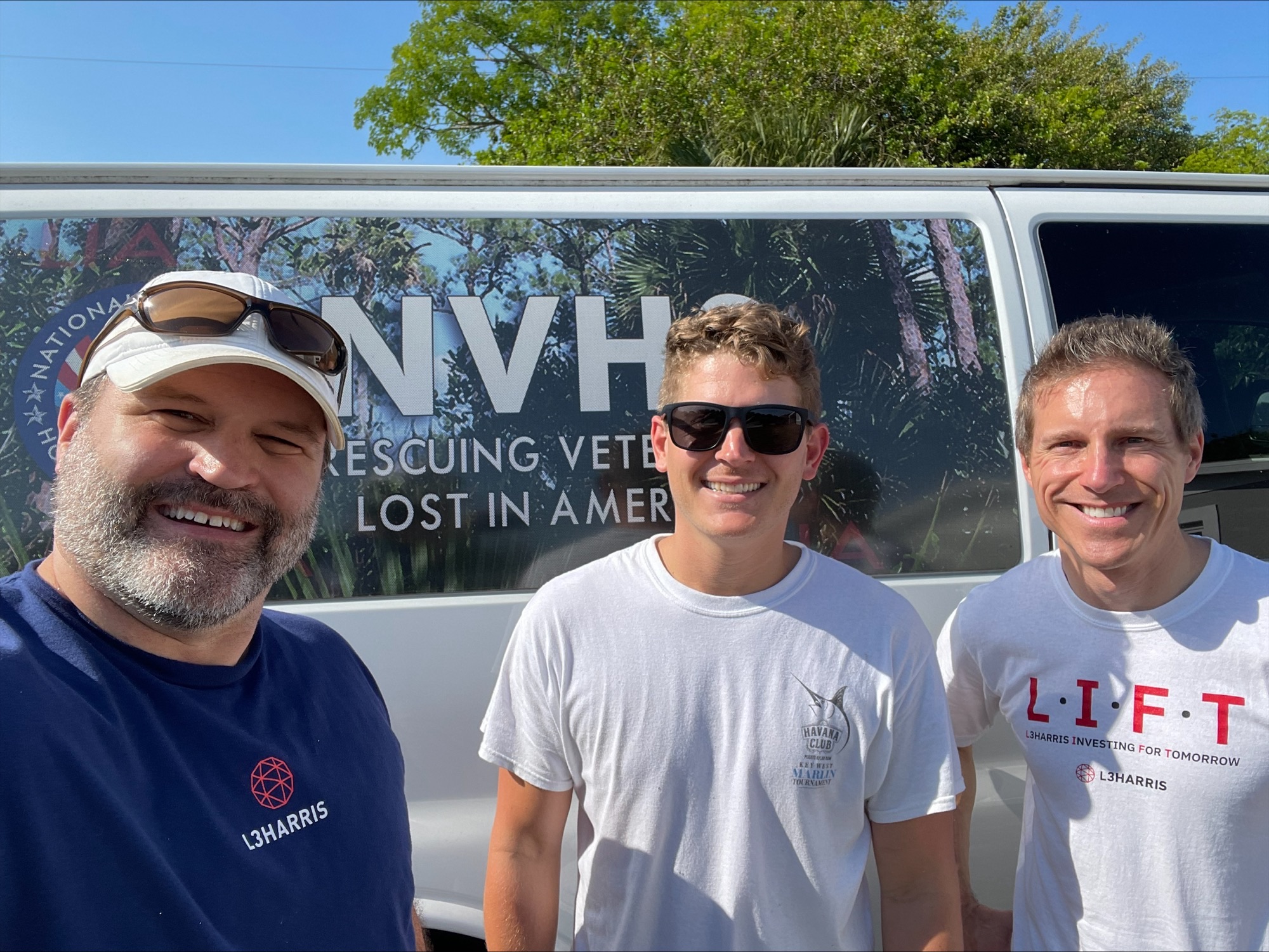
Someone who notices a veteran struggling with housing or basic needs can share a trusted resource. An employer can connect a veteran with available assistance instead of assuming financial hardship is simply a personal problem. A volunteer can support outreach or housing programs. A community organization can make an appropriate referral when another provider is better equipped to help.
These actions can create an earlier connection to support.
If you are trying to help a veteran navigate a difficult situation, use our chatbot for information, or encourage any veteran facing eviction to use our Get Help page for access to resources and connect with our team.
Resilience Includes Connection, Not Just Independence
Supportive Relationships Can Make a Difference
People often think about resilience as something that exists entirely within an individual. Relationships can also contribute to a person’s ability to navigate difficult circumstances.
A veteran may benefit from a trusted family member who helps organize paperwork, a case manager who explains available resources, a community organization that provides temporary assistance, or a friend who stays connected during a difficult period.
NVHS incorporates community connection into our housing support because stability involves more than providing a physical place to stay. Our transitional housing program includes case management and connections to resources that can help veterans work toward longer-term housing and independence.
Support should strengthen a veteran’s ability to make decisions and pursue personal goals, not replace it.
Different Veterans Need Different Forms of Support
No single path toward resilience exists, and no universal support plan fits everyone. One veteran may need a housing referral. Another may need prevention assistance to remain in a current home. Someone else may need help connecting with VA resources, benefits, health care, or another community organization.
That is why we focus on understanding each veteran’s circumstances instead of assuming that one service will address every need.
When Reaching Out for Help Is the Right Step
Veterans and the people who care about them can look for signs that additional support may be useful. These can include:
- Difficulty maintaining rent or utility payments
- Eviction or loss of housing
- Living in a vehicle, outdoors, or in another unstable situation
- Difficulty accessing food or essential supplies
- Financial hardship following a job or income change
- Uncertainty about available veteran benefits or housing programs
- Increasing isolation from family, friends, or community resources
- Difficulty identifying where to begin when several needs overlap
These circumstances do not define a veteran’s character or ability. They indicate that additional resources may be appropriate.
Some situations require specialized or immediate assistance. Veterans experiencing a mental health crisis can contact the Veterans Crisis Line by calling 988 and pressing 1, texting 838255, or using its online chat. For immediate physical danger or a medical emergency, call 911 or seek emergency medical care. NVHS is not a 24/7 crisis intervention service.
For housing concerns, veterans can also explore VA homeless programs and local community resources. Our team can help veterans understand available pathways and identify where to seek assistance based on their circumstances.
Resilience Is Stronger With the Right Support
Veterans bring their own strengths, experience, determination, skills, and goals to difficult circumstances. Those strengths deserve recognition without becoming an expectation that veterans should handle every challenge independently.
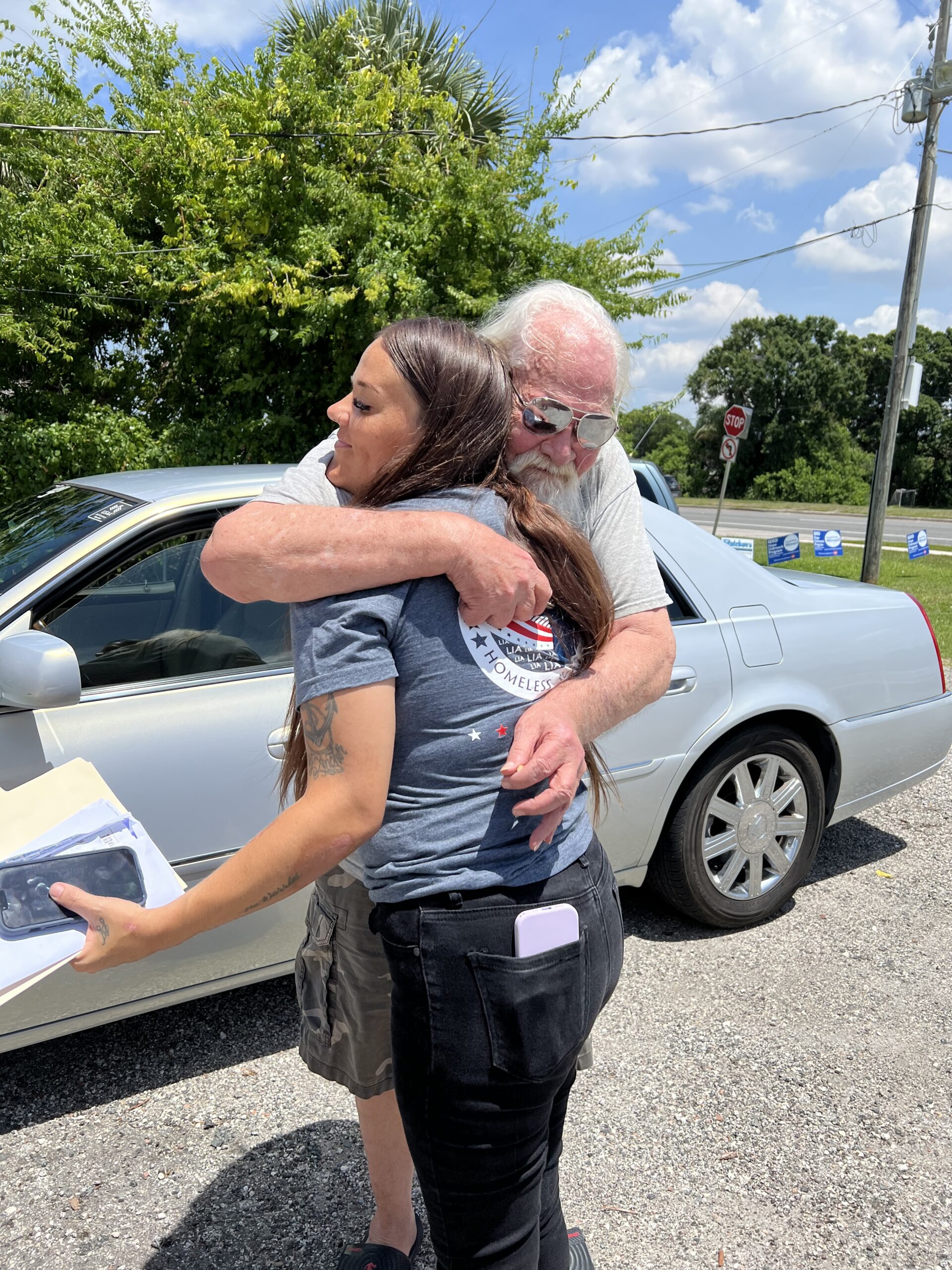
Real resilience includes knowing when additional support would help and having access to it when needed. Stable housing can provide a foundation. Appropriate services can address specific barriers. Supportive relationships can reduce isolation. Community support can connect those pieces so a veteran does not have to navigate every challenge alone.
Our role is to stand alongside veterans while helping connect them with the resources that fit their circumstances. Through outreach, prevention, transitional housing, case management, and resource navigation, we work toward a community where asking for help is understood as one step toward greater stability, not evidence that someone lacks strength.
Veteran resilience should not mean expecting veterans to overcome hardship alone. It should mean recognizing their strengths while connecting veterans with stable housing, appropriate services, supportive relationships, and a community willing to stand beside them are within reach.
If you or someone you know needs support use our chatbot for more information, or if your facing homelessness use our Get Help page to access resources and take the next step toward stability.