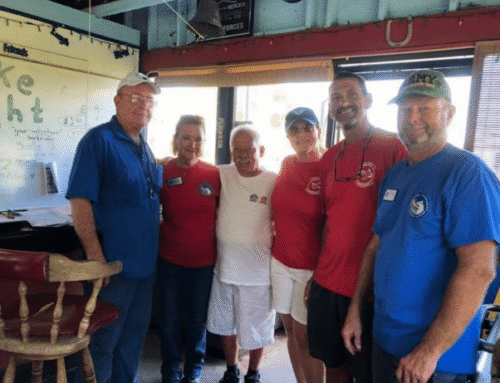
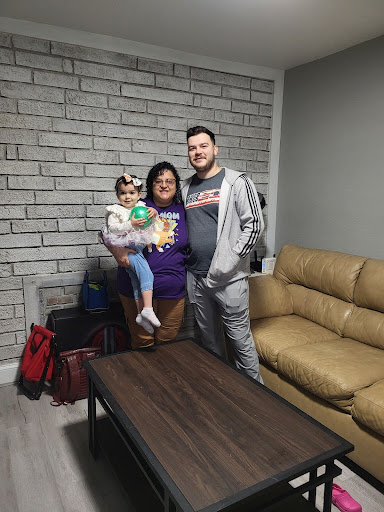
 After years of dedication and service, moving from military to civilian life can feel like a major adjustment. Veterans often face challenges with employment, housing, mental health, and reconnecting with civilian society. Planning ahead and understanding available resources are essential to ensure a smooth transition. With the right strategies, support network, and use of veteran programs, veterans can successfully adapt to civilian life while leveraging the skills they gained during service.
National Veterans Homeless Support (NVHS) also works alongside programs like the VA to ensure veterans in Central Florida and nationwide have access to the resources they need, whether that includes housing assistance, counseling, or career guidance. Reach out today and let our team guide you toward resources that make the transition from military to civilian life smoother and more manageable.
Plan Ahead and Unlock Opportunities After Service
Planning ahead is one of the most important steps in making a successful transition from military to civilian life. Start thinking about your goals, housing needs, financial stability, and career path well before your military service ends. Create a realistic financial plan, research local and national opportunities for veterans, and reach out to professional advisors who specialize in military to civilian life. Early preparation reduces stress, helps you avoid unnecessary setbacks, and gives you a clearer path toward your personal and professional goals.
Veterans who plan in advance often find themselves better positioned to take advantage of VA programs, training opportunities, and local community resources. NVHS, for example, offers guidance and outreach to ensure veterans can access the help they need during critical transition periods.
Leverage Your Skills to Open New Doors
Veterans gain extensive skills during their military careers, including leadership, discipline, problem-solving, teamwork, and project management. However, translating those skills into terms that civilian employers understand can be a challenge. Take inventory of your abilities and consider how they can apply to industries such as logistics, healthcare, technology, law enforcement, or business management.
Working with a career coach who understands veteran transitions can make a significant difference. These coaches can help refine your resume, craft language that speaks to civilian employers, and prepare you for interviews. By presenting your military experience in a way that highlights its relevance, you increase your chances of finding meaningful, stable employment.
Prioritize Emotional Wellbeing for a Stronger Transition
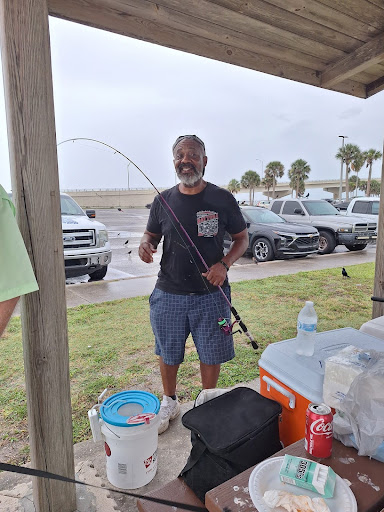 Moving from military to civilian life can put a strain on mental health. Veterans may face stress, anxiety, depression, or PTSD during this adjustment period. Prioritizing mental health is essential for a successful transition. Counseling, therapy, and peer support groups can provide the guidance and reassurance needed to navigate emotional challenges.
The VA provides counseling programs and mental health services specifically for veterans. Local organizations like NVHS also offer support to veterans who may be struggling with homelessness, isolation, or the emotional toll of transition. Reaching out early for mental health resources helps prevent long-term issues and supports a smoother reintegration into civilian life. Take the first step toward stability by connecting with our team today and discovering the programs that help veterans find housing, employment, and community support.
Use VA Programs to Gain Stability and Support
The Department of Veterans Affairs offers numerous programs to support veterans during the transition to civilian life. These programs cover housing assistance, employment services, vocational training, healthcare access, and educational benefits. Programs like the GI Bill provide financial support for education and training, while VA career centers help connect veterans to employers who value military experience.
Veterans should explore local VA offices in Central Florida and nationwide to understand the full range of available programs. By leveraging VA resources, veterans can gain financial stability, improve career prospects, and access essential support during the adjustment period.
Grow Your Knowledge and Secure Your Future
Education and vocational training are crucial components of a successful civilian transition. Many veterans use their GI Bill benefits to pursue college degrees, certifications, or technical training. These opportunities enhance career options and open doors to industries where veterans can apply their leadership and problem-solving skills.
Key considerations for education and training include:
- Using the GI Bill or other veteran education benefits to cover tuition and training costs
- Exploring certifications or programs that align with career goals and civilian market demand
- Seeking career counseling and support from veteran-focused education advisors
- Taking advantage of local workshops and vocational programs designed specifically for veterans
Ongoing education allows veterans to build financial stability and professional confidence. NVHS can also guide veterans toward local programs that complement their career goals, providing support that aligns with each individual’s needs. Connect with us now to discover how our hands-on programs help veterans translate their skills, build confidence, and thrive in civilian life.
Connect with Programs That Help Veterans Thrive Locally
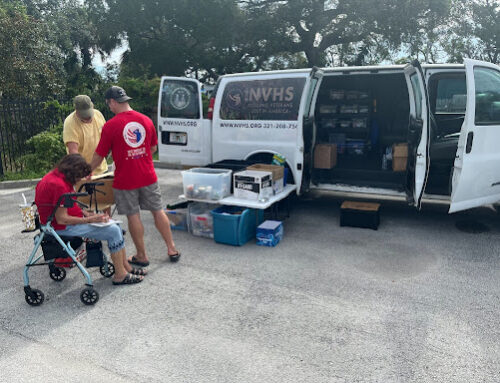
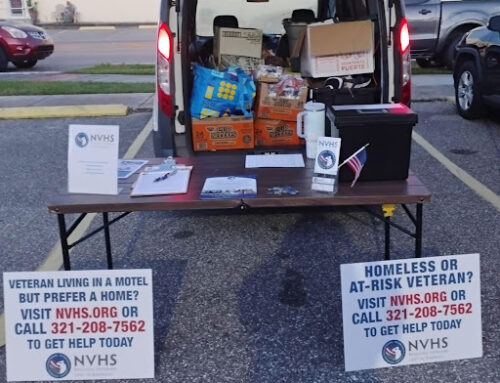
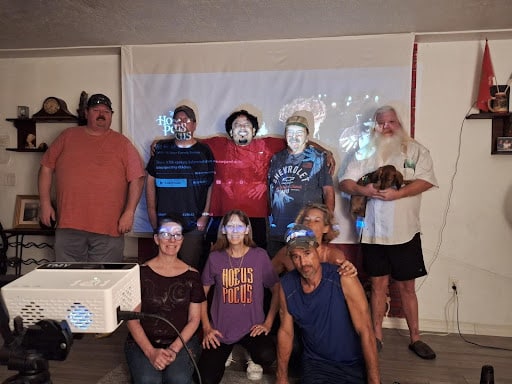 For veterans experiencing homelessness or at risk of losing their homes, NVHS provides immediate, hands-on support. Programs like Search and Rescue Outreach bring essential supplies directly to veterans in need, helping them survive and connect with longer-term assistance.
Direct assistance includes:
- Distribution of food, blankets, clothing, and hygiene essentials
- Connections to temporary shelters and permanent housing programs
- Guidance for employment, benefits, and community resources
- Emotional support through counseling and programs like art therapy
By connecting with NVHS or the VA, veterans in Central Florida gain access to resources that address both urgent needs and long-term goals.
Join the Effort That Brings Stability and Hope
Veterans transitioning from military to civilian life deserve guidance, resources, and community support. By reaching out to NVHS or exploring VA programs, veterans can access housing, employment, education, and mental health services tailored to their needs. Families, friends, and community members can also help by volunteering, donating, or sharing resources that make a direct impact.
Every act of support strengthens the network that helps veterans move from uncertainty to stability. Whether it is connecting a veteran to housing, offering career guidance, or providing emotional support, your involvement can change lives and ensure no veteran faces the transition alone.
Open Doors to Hope and Lasting Stability
Transitioning from military to civilian life is a journey that takes preparation, support, and determination. Veterans who plan ahead, translate their skills, prioritize mental health, use VA resources, build strong networks, and pursue education opportunities are more likely to thrive in civilian society.
Organizations like NVHS and the VA play a crucial role in providing hands-on assistance and structured programs that help veterans in Central Florida and nationwide achieve stability. By connecting veterans to housing, employment, counseling, and community support, these organizations ensure every veteran has the opportunity to succeed after service.
Take the first step today. Reach out to NVHS or your local VA office and access the resources, programs, and guidance that make the civilian transition smoother, safer, and more successful. Your future in civilian life starts with support, preparation, and the confidence to embrace the opportunities ahead.