
Mental health, housing instability, substance use, and suicide prevention are often treated as separate concerns. For many veterans, however, these challenges can overlap and reinforce one another. A veteran facing eviction may experience increased stress and isolation. Someone struggling with trauma or substance use may find it harder to maintain employment, relationships, or stable housing. Once housing becomes uncertain, accessing health care and other support can become even more difficult.
Understanding these connections can help veterans and loved ones recognize problems earlier and seek the right kind of support before circumstances become more difficult. Our role at National Veterans Homeless Support is to help veterans and their families navigate housing-focused assistance and connect with appropriate community resources. We are not a mental health treatment provider or a replacement for crisis services.
If you or a veteran you care about is struggling with housing instability or does not know where to begin, use our Get Help page or NVHS Chatbot to explore available resources and identify a practical next step.
Why Housing Stability Matters to Veteran Mental Health
A stable home provides more than a place to sleep. It gives veterans a consistent environment to address health concerns, maintain routines, manage medications, attend appointments, pursue employment, and stay connected to family and community.
How Housing Instability Can Compound Existing Challenges
When a veteran is worried about eviction, sleeping somewhere unsafe, moving between temporary locations, or experiencing homelessness, everyday responsibilities can become harder to manage. Financial stress and uncertainty may add to existing anxiety, depression, trauma-related symptoms, or substance-use concerns.
Housing instability can also make it more difficult to follow through with mental health care. Transportation, communication, changing living arrangements, lack of privacy, and competing basic needs can create barriers to keeping appointments or following treatment plans.
This does not mean housing instability causes suicide risk or that every veteran experiencing homelessness has a mental health condition. It means that housing should be considered alongside other factors when determining what support a veteran needs.
Mental Health, Recovery, and Suicide Prevention Require Different Resources
A veteran may need several forms of assistance at the same time, but those needs should not be treated as interchangeable. Housing assistance cannot replace mental health treatment, and a mental health referral cannot resolve every housing problem.
Know Which Resource Addresses Which Need
Depending on the situation, a veteran may benefit from:
- Housing support: Help addressing homelessness, eviction risk, temporary housing, or connections to housing programs.
- Mental health care: Counseling, psychiatric care, trauma-focused treatment, or other services provided by qualified professionals.
- Substance-use recovery: Assessment, treatment, recovery programs, or peer support from qualified providers.
- Benefits and health care navigation: Assistance identifying VA or community programs and understanding available services.
- Crisis intervention: Immediate support from trained crisis responders when someone may be at risk of suicide or another emergency.
The goal is not to force every concern into one program. Coordinated support helps each need reach the organization or professional equipped to address it.
How NVHS Helps Connect Veterans to Support
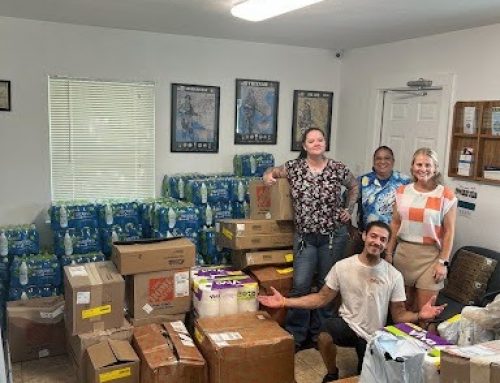
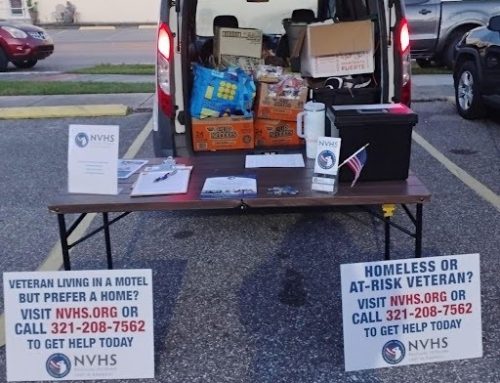
Our work focuses on reducing and preventing veteran homelessness in Central Florida. We provide street outreach, prevention case management, transitional housing, housing assistance and resource connections, emergency supplies, and connections to benefits and community services.
We Connect Veterans to the Right Starting Point
We understand that a veteran may contact us with several concerns at once. A housing problem may exist alongside financial stress, health concerns, family difficulties, or substance use. We can help identify the housing-related needs, we can address and connect veterans with other community resources when another organization or qualified provider is better positioned to help.
For example, Supportive Services for Veteran Families, or SSVF, can provide homelessness prevention and housing-stability assistance to eligible veteran families through approved providers. NVHS does not determine SSVF eligibility, but we can help veterans in Brevard County understand where to begin and identify appropriate housing-focused resources.
If you are unsure whether a veteran’s situation calls for housing assistance, a community referral, or another type of support, use NVHS Chatbot to start navigating available resources.
When Mental Health or Substance-Use Support Is Needed
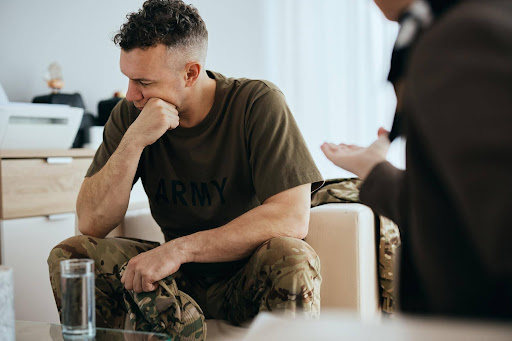
Veterans do not need to wait until a crisis to seek professional mental health or recovery support. Changes in mood, behavior, relationships, substance use, sleep, or daily functioning can be reasons to encourage a conversation with a qualified provider.
Early Support Can Create More Options
Loved ones can help by listening without judgment, encouraging the veteran to seek professional care, and helping them locate a provider or resource if navigating the system feels overwhelming.
Our role is to support resource navigation and housing stability, not diagnose mental health conditions, provide therapy, manage psychiatric medications, or provide substance-use treatment. Qualified health and behavioral health professionals handle those responsibilities.
Recognizing this distinction protects veterans from inappropriate advice and makes it easier to connect them with the right type of care.
Suicide Prevention: Know When the Situation Is a Crisis
Suicide prevention also requires clear boundaries. Friends, relatives, neighbors, and community organizations can notice warning signs and encourage help, but they should not be expected to provide professional crisis intervention.
Use Crisis Services for Immediate Suicide Risk
If a veteran is experiencing a suicide crisis or you are concerned about immediate suicide risk, contact the Veterans Crisis Line by calling 988 and pressing 1, texting 838255, or using its online chat. The service is available 24/7 for veterans, service members, and people concerned about them.
If someone has already attempted suicide, has a serious injury, or faces an immediate danger requiring emergency medical or public safety assistance, call 911 or go to the nearest emergency department when it is safe to do so.
Our website, chatbot, and resource-navigation services are not substitutes for emergency or crisis care. When immediate safety is the concern, use a qualified crisis or emergency service first.

Frequently Asked Questions About Housing, Mental Health, and Suicide Prevention
Can housing instability affect a veteran’s mental health?
Housing instability can increase stress and make it harder to maintain routines, access health care, stay connected to support systems, and address other challenges. It does not affect every veteran in the same way, which is why individual circumstances matter.
Does NVHS provide mental health treatment?
No. We are a housing-focused organization and resource connector. We provide prevention case management, outreach, transitional housing, housing assistance, and connections to appropriate community resources. We can help veterans identify where to begin when mental health needs and housing challenges overlap.
Can I contact NVHS before a veteran becomes homeless?
Yes. We work with homeless and at-risk veterans and their families, and reaching out earlier can provide more time to identify potential housing solutions and prevention resources.
What should I do if I think a veteran is suicidal?
Do not try to manage an immediate crisis yourself. Contact the Veterans Crisis Line by calling 988 and pressing 1, texting 838255, or using its online chat. Call 911 for an immediate emergency.
Can the NVHS Chatbot handle a mental health emergency?
No. The chatbot is intended to help people navigate resources. It should not replace crisis intervention, emergency services, or professional mental health care.
Building a More Connected Path to Stability
Veteran support works better when housing, mental health, recovery, and suicide prevention are understood as connected parts of a larger support system. A veteran who receives housing assistance may have a stronger foundation for addressing other concerns. A veteran who receives appropriate mental health or recovery care may have additional support for maintaining stability. A loved one who knows where to turn can help reduce delays when circumstances begin to change.
We cannot provide every service a veteran may need, and we do not try to. Our responsibility is to help veterans and families navigate housing-related challenges, understand their options, and connect with organizations and professionals equipped to address needs outside our role.
If you or a veteran you love is facing housing instability or needs help figuring out where to start, visit our Get Help page or use the NVHS Chatbot to connect with needed resources. For an immediate suicide or mental health crisis, contact the Veterans Crisis Line at 988, then press 1, text 838255, or use its online chat.