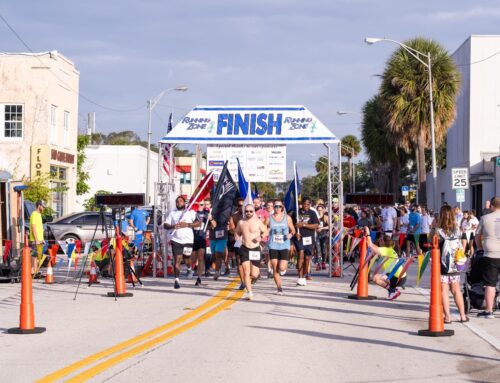
Leaving military service and transitioning to civilian life marks the beginning of a challenging new chapter. The post-military transition often involves finding a job, relocating, and searching for a sense of purpose. Many veterans report feelings of isolation, loss of structure, and disconnection from the veteran community. While veteran support services can help with the practical aspects of reintegration, emotional and spiritual well-being often hinge on the ability to connect and contribute.
One of the most powerful and accessible ways for veterans to reconnect with their purpose is through volunteering. It allows them to serve in new ways, strengthen their communities, and find healing through helping others.
The Power of Service Beyond the Military
Military service instills discipline, teamwork, and a commitment to causes greater than oneself. When that chapter ends, many veterans miss that clear sense of mission. Finding purpose again requires finding new ways to serve, and volunteering provides just that.
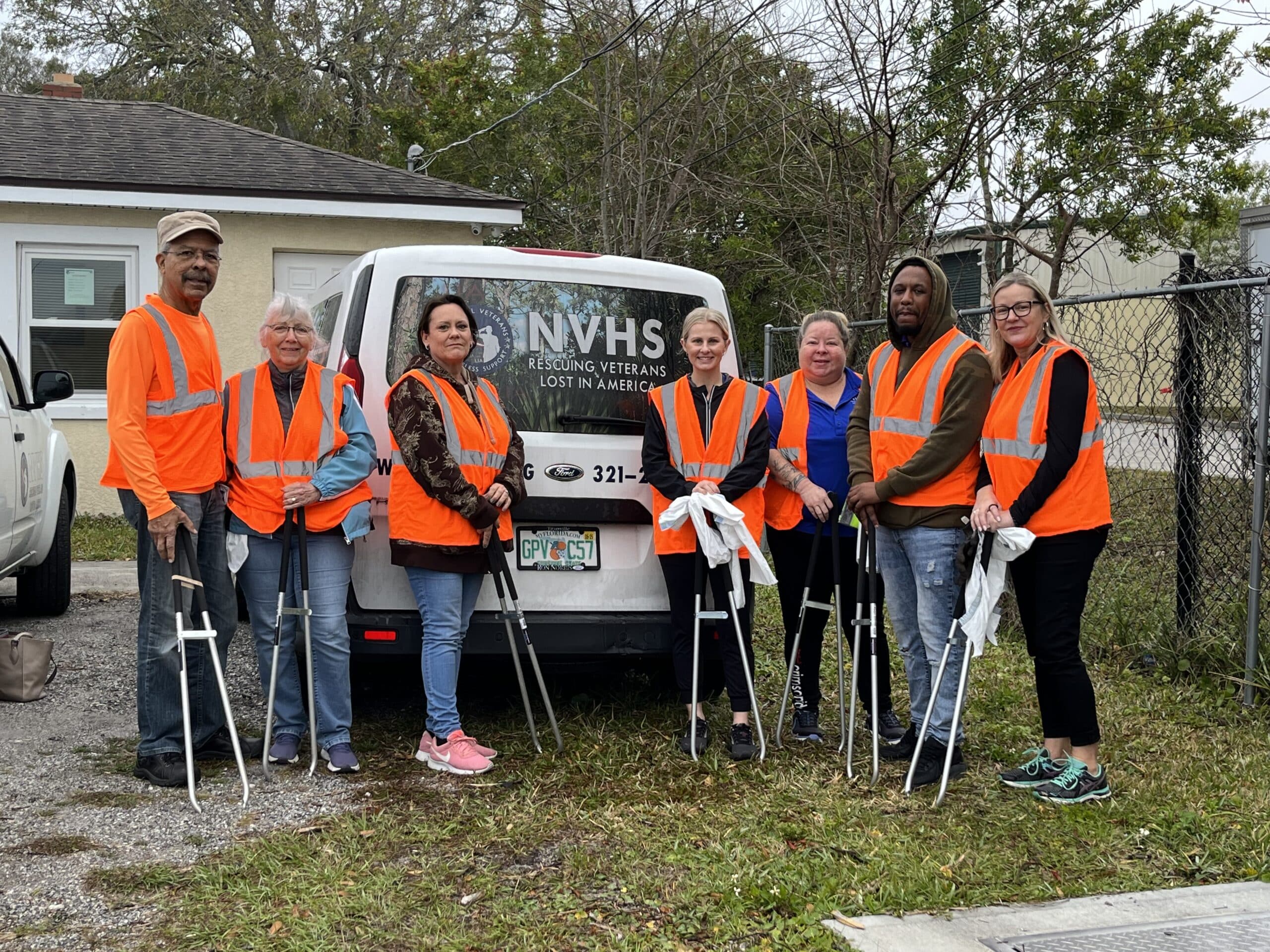
Through volunteer opportunities for veterans, individuals can apply their leadership, resilience, and problem-solving abilities in impactful roles. Whether helping other veterans, supporting disaster response, mentoring youth, or cleaning up local parks, service becomes a new kind of mission.
Even more powerful are initiatives that center on veterans helping veterans. These peer-support-based roles allow individuals to draw from their own experience and offer empathy and guidance to others navigating post-military life. Helping veterans may involve hiring them, voting, or fighting mental health stigma.
Mental Health and the Therapeutic Impact of Volunteering
Beyond practical benefits, volunteering for veterans offers real psychological and emotional healing. According to an umbrella review, volunteering shows benefits across all domains (social connection, mental health, and physical functioning) and is linked to reduced mortality and better overall functioning.
Many veterans struggle with post-traumatic stress, anxiety, or depression after service. Engaging in meaningful volunteer work fosters self-esteem, reduces isolation, and builds emotional resilience. It also provides opportunities for mindfulness, structure, and social connection, which are key components of mental health recovery.
For those dealing with trauma, programs such as veteran support groups, peer mentoring, or expressive activities such as art therapy can be deeply restorative.
Building Civilian Connections and Community Bonds
Social connection is a fundamental human need, yet many veterans report feeling disconnected from civilian life. Volunteering bridges this gap by offering shared goals, team settings, and mutual support. It fosters interaction with people from diverse backgrounds, helping veterans expand their networks and adjust to life outside the military.
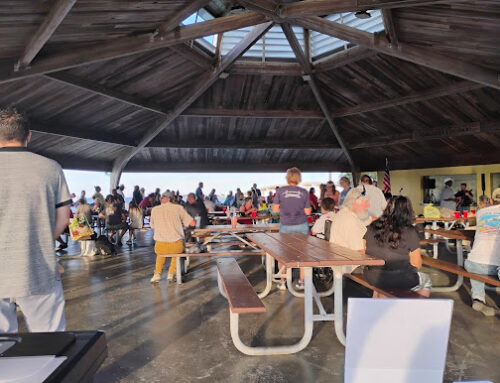
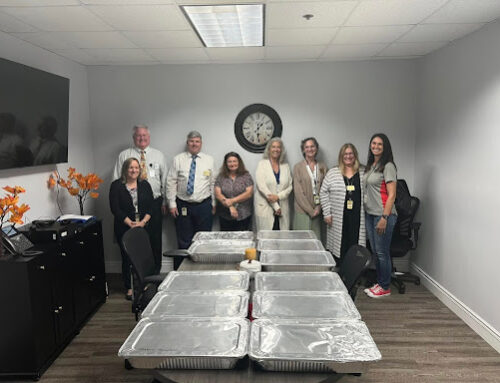
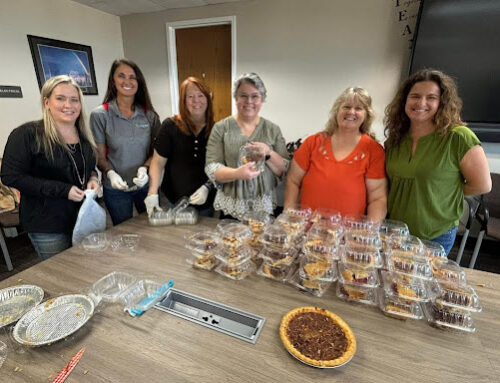
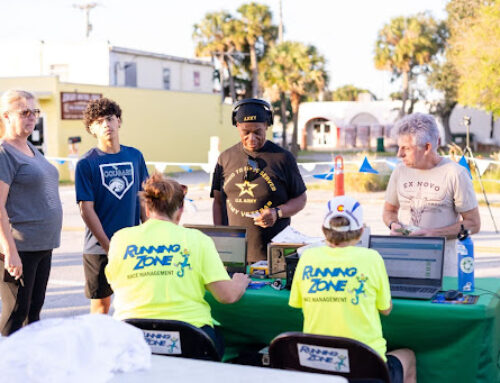
Community service projects (such as food drives, disaster relief, or youth mentoring) allow veterans to form authentic relationships while making a tangible difference. These civilian interactions also help shift public perceptions, strengthening trust and appreciation between veterans and their communities.
Veterans seeking to restore community connection can also benefit from peer support programs. These programs provide shared understanding, reduce isolation, and foster trust by connecting veterans with others who have experienced similar transitions and challenges.
Skills Transfer and Career Development
Volunteer opportunities for veterans are more than feel-good activities. They can also play a crucial role in career development. Volunteering hones leadership, project management, and communication skills. It also fills resume gaps and provides new experiences that may guide career transitions.
For veterans unsure of their next step, volunteering can function as a testing ground for future roles, especially in nonprofit work, education, public service, or counseling. It also opens doors to veteran job assistance and networking opportunities that align with their passions and abilities.
Veterans who are already employed can check whether their employer would be interested in partnering with nonprofits dedicated to helping veterans. For example, this workplace volunteering program by National Veterans Homeless Support (NVHS) allows companies to organize volunteer days that support homeless and at-risk veterans, giving employees a chance to give back while building team cohesion.
How to Get Involved: Volunteer Opportunities for Veterans
There is no one-size-fits-all approach to volunteering for veterans. Whether you’re seeking connection, healing, or career development, there are opportunities at every level of engagement.
Here are several ways to start:
1. Peer Mentoring and Support
Join or lead a veteran support group. These settings offer safe spaces to share experiences and guide others through post-service transitions.
2. Community-Based Service
Participate in local cleanups, food banks, or shelter programs. These efforts strengthen community ties and offer immediate, hands-on impact.
3. Veterans Helping Veterans Programs
Volunteer through organizations that focus on veteran support services, from driving fellow veterans to medical appointments to offering resume assistance.
4. Faith-Based or Civic Organizations
Many churches and civic groups have volunteer opportunities for veterans, including mentoring youth or helping during disaster relief efforts.
5. National and Regional Programs
Look into organizations such as Team Rubicon and The Mission Continues or local nonprofit chapters such as NVHS that connect veterans to service opportunities.
Volunteering in any of these ways supports others and offers veterans a meaningful path to personal growth after service.
Reclaiming Identity Through Service
After leaving the military, many veterans struggle with a loss of identity, but volunteering offers a powerful way to reclaim a sense of self through purposeful service. By embracing volunteering, individuals can reclaim a mission-driven life, support their peers, and grow in both personal and professional ways. Whether through helping other veterans or wider community service, each act of kindness contributes to stronger communities and healthier lives.
NVHS seeks to eliminate homelessness among veterans in Central Florida. NVHS takes a proactive, intervention-based approach to homelessness by meeting homeless veterans where they are and helping them from there. Through programs such as Search and Rescue Outreach, NVHS helps homeless veterans get the supplies they need to survive, connects them with support and resources, and assists them in transitioning off the streets and into temporary or permanent housing. Some of our programs also include art therapy to help veterans heal. If you’re able, consider supporting our mission by donating or signing up as a volunteer.