Communities across the country invest significant funding in programs that support veterans. Many assume strong funding solves the toughest challenges veterans face. It does not. Veterans still fall through the cracks. Outreach gets missed. Support arrives too late for those who need it most.
Funding keeps programs running, but people make them work.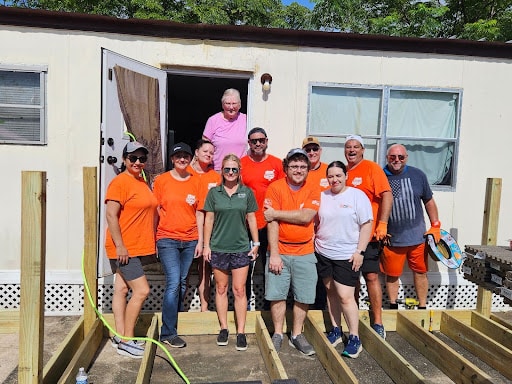
Organizations like National Veterans Homeless Support provide housing support, prevent homelessness, and help veterans rebuild stability. Staff coordinate services, manage housing, and respond to urgent needs every day. Still, teams cannot reach every veteran without more hands on the ground.
Volunteers expand that reach. They help connect with veterans faster, follow up more consistently, and ensure fewer people go unnoticed. Every hour volunteered helps close gaps that funding alone cannot fill.
If you want to make a real difference, step in where it matters most. Find a volunteer role and start making an impact this week.
Volunteers Extend the Reach of Life-Changing Programs
Every volunteer increases how many veterans NVHS can support and how quickly services reach them. Volunteers turn funded programs into active, responsive systems that meet real needs in real time.
Volunteers support critical work such as:
- Organizing housing supplies for transitional residents
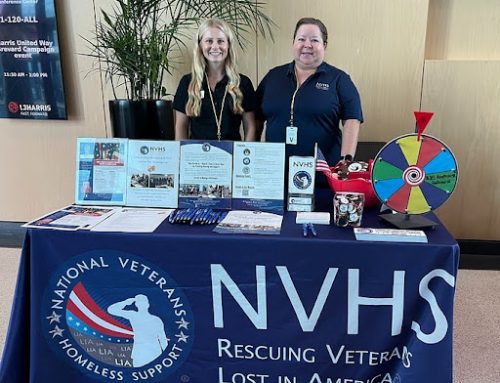
- Supporting outreach events that connect veterans to services
- Assisting veterans as they move from instability to independence
- Help run and promote NVHS events
- Promote programs and operations for the whole community
Volunteers also strengthen community awareness. When more people understand the challenges veterans face, more veterans get connected to help sooner.
Strong Programs Still Face Real Capacity Limits
Nonprofit programs operate with focus and accountability. Housing, staffing, supplies, and operations require significant resources. Transitional housing programs must maintain safe spaces, coordinate case management, and support daily needs.
Staff guide veterans through complex systems that include healthcare, employment, and long-term housing. Each veteran needs time, attention, and consistent follow-up. A small team can only do so much in a day.
At the same time, the need continues to grow. Veterans face job loss, injuries, mental health challenges, and rising housing costs. When those challenges overlap, stability can disappear quickly.
Funding supports the structure. Volunteers expand the reach. Without volunteers, more veterans wait longer for help or miss it entirely.
Personal Connections Create Stronger Paths Forward
Services provide stability. Human connection builds momentum.
Many veterans face isolation after leaving military service. A simple conversation, a helping hand, or a consistent presence can rebuild trust and confidence.
Volunteers create those moments every day. They listen, assist, and show up when it matters. Those interactions encourage veterans to take the next step toward employment, housing, or care.
When veterans feel seen and supported, they engage more fully in the programs designed to help them succeed.
Explore current volunteer opportunities.
Volunteers Strengthen Transitional Housing Programs
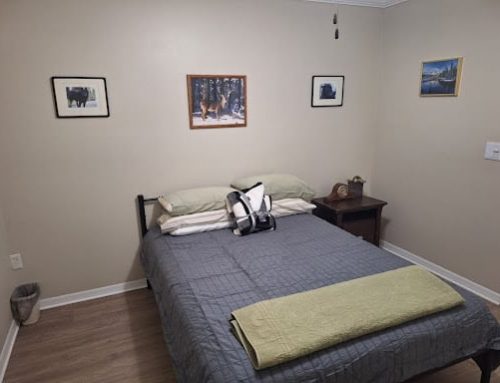
Transitional housing gives veterans a stable environment where they can reset and rebuild. Residents receive guidance, resources, and support as they prepare for permanent housing.
Volunteers help make these spaces functional and welcoming. They prepare rooms, organize donations, and assist with upkeep. Their work allows staff to focus on case management and specialized care.
Volunteers also support workshops focused on life skills, financial literacy, and job readiness. These efforts help veterans move forward with confidence and independence.
Volunteers Bring Specialized Skills That Expand Services
Many volunteers bring professional experience that strengthens programs and improves outcomes.
Volunteers contribute in areas such as: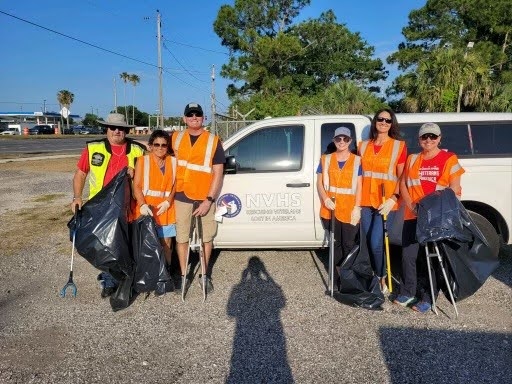
- Construction and repairs for housing units
- Marketing and communications to expand outreach
- Technology and logistics support
- Counseling and peer support
- Search and rescue assistance during crises
These skills allow NVHS to offer more services without increasing costs, which leads to faster support and stronger results for veterans.
Volunteering Builds a Community That Supports Veterans Year-Round
Veterans need support every month, not just during holidays or national observances. Volunteer programs create consistent engagement that meets that need.
NVHS offers flexible ways to get involved:
- One-time opportunities for immediate impact
- Ongoing roles for those who want to stay engaged
- Flexible schedules that fit different lifestyles
Volunteers often develop a deeper understanding of the challenges veterans face. That awareness leads to long-term involvement and stronger advocacy within the community.
NVHS Provides a Meaningful Way to Help Veterans
Many people want to help but do not know where to start. NVHS offers clear, direct ways to make a difference.
Volunteers support transitional housing, outreach, homelessness prevention, and crisis response efforts. Every role contributes to helping veterans regain stability and independence.
Volunteers work alongside experienced teams who understand the needs of veterans. This collaboration ensures every effort creates real impact.
A Strong Community Supports Veterans Every Day of the Year
Funding provides housing, supplies, and structure. Volunteers provide reach, connection, and consistency.
When people step in, more veterans receive help sooner. More lives move toward stability. More communities become stronger and more connected.
Choose a volunteer role and start making an impact this week.