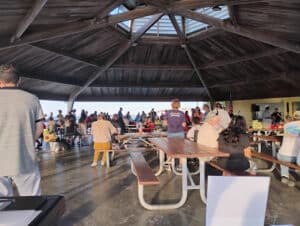
 The veterans in our community have given so much in service to our country. Many continue to give back, yet others face hardships, including homelessness, food insecurity, health challenges, and difficulties accessing benefits. As neighbors, friends, family members, and community leaders, we all have a part to play in supporting veterans. But knowing how to help veterans in a meaningful, sustainable way can be confusing.
This guide breaks down practical, effective ways to help veterans, from everyday actions to larger commitments, while showing how National Veterans Homeless Support (NVHS) channels community support into life‑changing assistance. Whether you want to volunteer, donate, advocate, or simply better understand veteran needs, these suggestions can help you make a tangible difference. Get in touch with us today to make a real, measurable impact in your community.
Help Veterans Access Critical Support and Stay Off the Streets
One of the most impactful ways to help veterans is through financial donations. Cash donations allow veteran support organizations to allocate resources where they are needed most, whether that’s emergency shelter, meals, housing assistance, or ongoing case management.
Unlike donating items that may or may not be needed, monetary contributions provide flexibility. Organizations can use funds to:
- Provide transitional housing and shelter support
- Supply meals, clothing, and hygiene kits
- Cover medical or transport expenses
- Pay for case management services that guide veterans toward independence
At NVHS, financial support goes directly into programs that keep veterans warm, full, and safe. Donations help sustain year‑round outreach, homelessness prevention efforts, and the rapid intervention needed when a veteran is in crisis. Even small monthly gifts can add up to a big impact over time.
If you want your donation to go further, consider setting up a recurring contribution. This ongoing support helps NVHS plan ahead, maintain consistent services, and respond quickly when veterans reach out for help. Connect with us today to learn how your support can make a measurable difference.
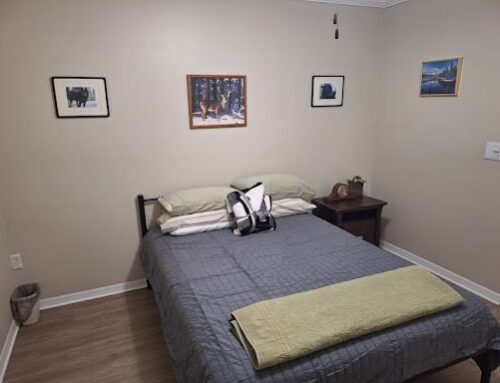
Provide Essential Items That Keep Veterans Warm and Safe
While financial support is most flexible, donating physical items is still a meaningful way to help veterans, provided the items are ones that veteran support organizations actually need.
Commonly needed donations include:
- Blankets and sleeping bags
- Non‑perishable food items
- Bug repellent, bike locks/ lights, and 1-2 man tents.
- New undergarments and clothing in a range of sizes
Before gathering items, check with local organizations like NVHS to confirm current needs and drop‑off locations. This ensures that your donations are useful, welcomed, and distributed quickly to veterans in need.
Many community partners and businesses organize donation drives for these items. Participating in or hosting a drive multiplies the impact and brings the community together for a common goal.
Lend Your Skills to Make a Tangible Difference Every Day
Time is one of the most valuable things you can give. Volunteering not only helps veterans directly but also builds connections and understanding between veterans and the larger community.
Ways you can volunteer include:
Working at Veteran Support Events
- Helping distribute meals
- Transitional Housing Projects including painting, seasonal cleaning (pressure washing), and tree trimming.
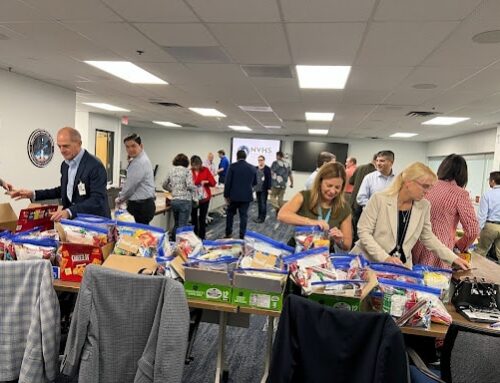
- Packing and sorting donated items
- Admin volunteer position to help answer the phone and triage veteran requests.
Through Outreach Support
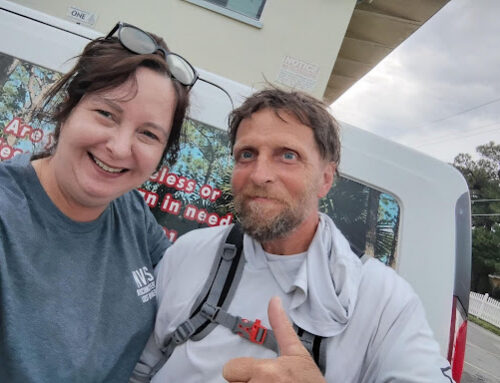
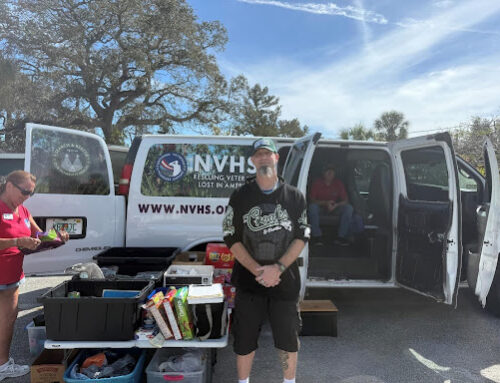
NVHS conducts Search & Rescue outreach, where teams bring food, hygiene kits, and support directly to veterans living outdoors or in unstable housing. Volunteers often help with preparation, distribution, and compassionate engagement.
With Professional Skills
If you have expertise in areas like law, healthcare, counseling, finance, or job training, you can offer your skills pro bono to help veterans navigate benefits, employment, or healthcare systems.
Volunteering doesn’t require a huge time commitment. Even a few hours a month can make a meaningful difference for veterans who are struggling. Reach out to us to explore volunteer opportunities that match your skills and interests.
Speak Up to Secure Funding and Resources for Veterans
Advocacy helps ensure that veterans’ needs are heard by policymakers and community leaders. Ways to advocate include:
- Contacting local representatives about veteran support funding
- Attending town hall meetings to raise awareness of veteran issues
- Encouraging businesses to adopt veteran‑friendly hiring practices
- Supporting affordable housing initiatives that benefit veterans
- Sharing information about veteran programs on social media
Advocacy puts real pressure on systems that can either help or hinder veteran well‑being. Your voice amplifies the voices of veterans themselves and helps shape policies that improve access to benefits, healthcare, housing, and employment.
NVHS welcomes community members who want to advocate on behalf of veterans. Whether you share resources, support public campaigns, or speak out about issues affecting veterans, your advocacy contributes to a stronger safety net.
Support Veterans Through Workplace Giving and Events
Many companies adopt workplace giving programs or volunteer days to involve employees in community support. Workplace engagement has a dual benefit:
- It increases resources available to veteran support organizations, and
- It builds a culture of service and empathy within the company.
Workplace giving can take the form of:
- Payroll deduction donation programs
- Corporate matching gift initiatives
- Fundraisers that donate proceeds to veteran support
- Volunteer days with NVHS or partner agencies
These efforts embed veteran support into the business community, turning corporate culture into community impact.
NVHS partners with local businesses on workplace giving and event sponsorships, helping create sustained annual support that goes beyond seasonal drives.
Break Down Stigma and Foster Community Compassion
Helping veterans effectively also starts with understanding the issues they face. Homelessness, PTSD, mental health challenges, substance use disorders, job instability, and complex benefits systems all contribute to the struggles individual veterans may encounter.
Educating yourself and then educating your family, friends, and coworkers creates a more compassionate community. Some ways to learn include:
- Reading reports on veteran homelessness and local needs
- Attending community events focused on veteran issues
- Listening to veteran stories in person or online
- Taking part in training or workshops hosted by veteran support organizations
Building awareness breaks down stigma and fosters empathy, which in turn encourages more people to offer support in meaningful, respectful ways.
NVHS offers community outreach and education to help citizens better understand veteran needs and how to help effectively. Contact NVHS to learn more about local veteran issues and how you can share that knowledge.
Be Part of a Sustained Safety Net That Keeps Veterans Housed
While immediate help is critical, long‑term solutions are just as important. Organizations like NVHS work year‑round to provide not only crisis relief but also housing stability programs, benefit navigation, and case management. This continuity is possible because individuals, families, businesses, and volunteers commit to helping veterans beyond a single event or season.
Partnering with NVHS means your support becomes part of a sustained network of care that helps veterans transition out of homelessness and into lasting independence.
You Can Make a Difference Today
Veterans have stood up for their communities and country. Now it’s our turn to stand up for them. Whether you give your time, donate resources, advocate for policy change, or educate others, your actions matter and add up to real, measurable support.
Connect with us today to explore ways to help veterans in your community, through donations, volunteer opportunities, education, and sustained partnerships. Together, we can ensure that every veteran knows they are supported, valued, and never alone.