
Coping with Seasonal Depression as a Veteran
 The sun slips away faster than we notice and suddenly our days feel shorter, colder, and just a little emptier even here in Florida. For many, this subtle shift goes unnoticed. For veterans, however, the change can hit harder, dimming energy, clouding motivation, and stirring up feelings of isolation that already sit close to the surface.
The weight of shorter days does not just create darker evenings. It can bring a heaviness of mind, where sadness lingers, connections feel harder to maintain, and everyday routines lose their spark. Left unrecognized, these patterns can grow into something much more serious, affecting not only mood but the ability to engage fully with life.
There is another side to this story. By learning to spot these changes and leaning on the right support, veterans can turn a difficult season into one of renewed strength and resilience. At National Veterans Homeless Support (NVHS), we help veterans and their families recognize the early signs, build supportive connections, and access the resources that bring light back into their days, proving that even in the darker months, brighter mornings are always within reach. Reach out today and let NVHS walk beside you as you take back control of your days, rebuild your energy, and find hope in every season.
The Connection Between Service Experiences and Seasonal Vulnerability
Transitioning from military life into civilian routines is already a major adjustment. Add the challenges of seasonal depression, and the burden can feel overwhelming. For many veterans, the fall and winter months bring:
- Reduced daylight exposure that disrupts natural sleep cycles and mood balance.
- Memories tied to service experiences that may resurface more strongly during quiet, darker evenings.
- Increased isolation when cooler weather or earlier sunsets make it harder to stay socially engaged.
- Changes in routine that leave veterans feeling unmotivated or disconnected.
While civilians may simply feel a little sluggish when the days get shorter, veterans often face a compounded effect. Understanding why these months hit harder is key to finding real relief.
Recognizing When the Season Affects Your Mood and Energy
Seasonal depression doesn’t look the same for everyone. But for many veterans, it can include symptoms like:
- Persistent low mood or sadness that begins in the fall or winter.
- Loss of interest in activities that once felt rewarding.
- Fatigue, oversleeping, or difficulty waking up.
- Changes in appetite, often cravings for carbohydrates or weight gain.
- Struggles with focus, motivation, or completing daily tasks.
- Withdrawal from family, friends, or fellow veterans.
If you’ve noticed these patterns emerging year after year as the seasons shift, you may be dealing with more than just the “winter blues.” These symptoms are valid, and you don’t have to face them alone.
Restoring Balance With Healthy Routines and Positive Habits
While seasonal depression can feel heavy, there are practical steps veterans can take to reclaim a sense of control and lightness during fall and winter. Here are strategies that often make a difference:
- Maximize natural light by spending time outdoors during the day, especially in the morning.
- Create a steady sleep routine that supports rest and helps regulate your internal clock.
- Stay active with exercise that lifts mood, whether it’s a walk, workout, or yoga session.
- Eat nourishing foods that fuel energy and reduce sugar crashes.
- Build a social routine by connecting with veteran peers, family, or local groups.
- Use grounding techniques like mindfulness, breathing, or journaling to manage overwhelming thoughts.
These coping skills are helpful, but many veterans find they need more than lifestyle changes to feel stable. Mental health support becomes essential, so make sure you are enrolled in VA Healthcare.
The Support System Veterans Can Rely on During Seasonal Struggles
At NVHS, we understand that seasonal depression doesn’t happen in isolation. It connects to larger challenges like housing stability, financial stress, and finding meaningful support. That’s why our services go beyond traditional crisis intervention. We focus on building a foundation of stability so that when the darker months come, veterans don’t have to weather them alone.
Here’s how NVHS makes a difference:
- Emergency and transitional housing so that veterans never feel the added burden of instability.
- Mental health support connections that provide coping tools and professional guidance.
- Peer-to-peer engagement so veterans can lean on others who understand the unique struggles of military life.
- Community resources that reduce isolation and create a stronger support network.
- Practical assistance, like employment help and benefits navigation, to reduce stress and uncertainty.
By meeting both immediate and long-term needs, NVHS helps veterans build resilience that lasts through seasonal shifts and beyond.
Shifts in Daylight Hours Can Trigger Seasonal Struggles
 Daylight is more than just sunshine on our skin. It plays a crucial role in regulating circadian rhythms, boosting serotonin, and stabilizing energy levels. When the fall and winter months shorten Florida’s daylight hours, even by just a few hours, it can disrupt those natural balances.
For veterans, whose mental health may already be impacted by trauma, isolation, or anxiety, this disruption often lands harder. Recognizing that daylight changes can affect mood is empowering because it opens the door to proactive solutions. If the weight of the season feels heavy, you do not have to carry it alone. Options like light therapy and other proven mental health treatments can help ease the effects of seasonal changes. If the weight of the season feels heavy, you do not have to carry it alone. Connect with NVHS for guidance and compassionate support.
If feelings of depression become overwhelming, please call or text the Veterans Crisis Line at 988 (Press 1) for immediate help.
Even Mild Winters Can Impact Veteran Mental Health
It’s easy to assume Florida’s climate protects residents from seasonal depression, but shorter days, earlier sunsets, and subtle seasonal shifts still impact mental health. For veterans, that means:
- Feeling isolated when the sun sets earlier in the evening.
- Struggling with the “holiday season” that may trigger painful memories or financial pressures.
- Experiencing disrupted sleep even without dramatic weather changes.
- Facing loneliness if they’ve lost military connections or family bonds.
Florida’s warmth doesn’t erase these challenges. What does make a difference is having a dedicated support system like NVHS to lean on. Reach out to our team today and begin your journey toward rediscovering energy, motivation, and the sense of connection you deserve.
Building Strength and Resilience Through Connection
Isolation feeds seasonal depression. Connection weakens it. One of the most effective ways to cope during these months is through building relationships with people who understand. At NVHS, veterans are never expected to go through struggles in silence.
We bring veterans together through shared resources, peer programs, and support that strengthens both mental and emotional resilience. Community doesn’t just help, it heals.
Immediate Help Matters Most When Combined With Lasting Care
 When a veteran is in crisis, immediate help is critical. But healing seasonal depression isn’t only about getting through a rough day. It’s about ensuring that veterans have safe housing, steady resources, and reliable community connections so the weight of winter doesn’t pull them back down.
At NVHS, we pair immediate crisis response with long-term solutions. This approach makes seasonal depression easier to manage because it’s not just about surviving the darker months; it’s about building a life where brighter days outnumber the dark ones.
Loved Ones Can Make a Difference in Veteran Mental Health
Sometimes, veterans don’t see their own symptoms, but loved ones do. If you’re a friend, spouse, or family member noticing these changes, know that your role matters. Encouraging conversation, offering support, and connecting your veteran with NVHS can be the lifeline they need.
You don’t have to have all the answers. Simply being there and guiding them toward resources can
change everything.
Take Action Today and Find the Support You Deserve
Fall and winter don’t have to weigh you down. Whether you’re a veteran struggling with seasonal depression or a loved one looking for answers, NVHS is ready to stand by your side. Our team provides the tools, stability, and community that make a real difference in navigating these months and beyond.
Get in touch with us now and let us help you move from isolation toward connection, from heavy days toward lighter ones, and from struggle toward strength. The first step is reaching out. And we’ll walk the rest of the journey with you.


The Realities of Veteran Homelessness in Brevard County
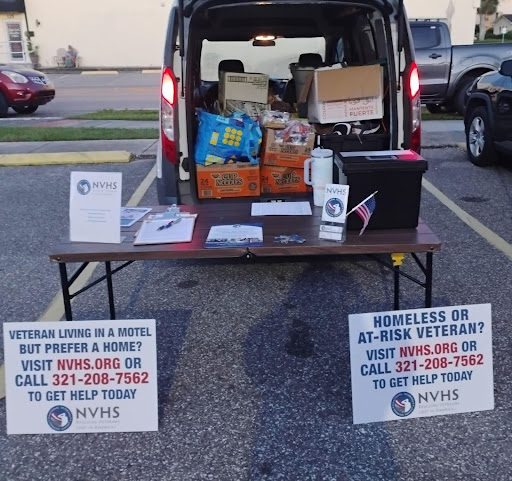
Veterans in Brevard County face challenges many of us cannot imagine. After serving our country, some find themselves without stable housing, meals, or access to healthcare. Homelessness is not a statistic; it is a daily reality that affects physical health, emotional well-being, and the ability to reconnect with family and [...]
A Sheriff’s Perspective: What It Means to Serve Veterans Truly
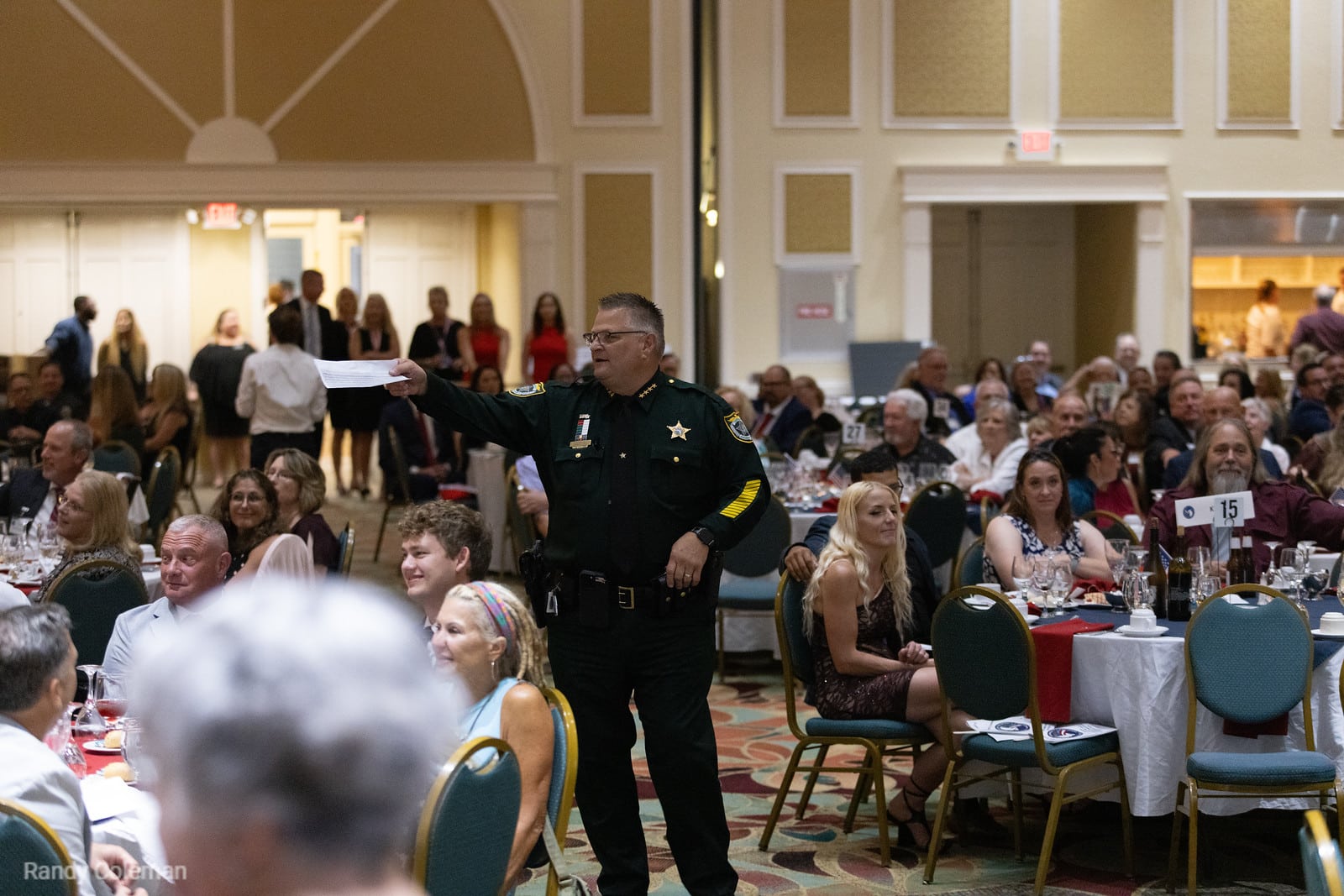
A Sheriff's Perspective: What It Means to Serve Veterans Truly When we talk about serving veterans in Central Florida and beyond, we often think of ceremonies, salutes, or plaques on the wall. But for many of our nation's heroes, especially those facing homelessness, mental health challenges, or isolation, true service [...]
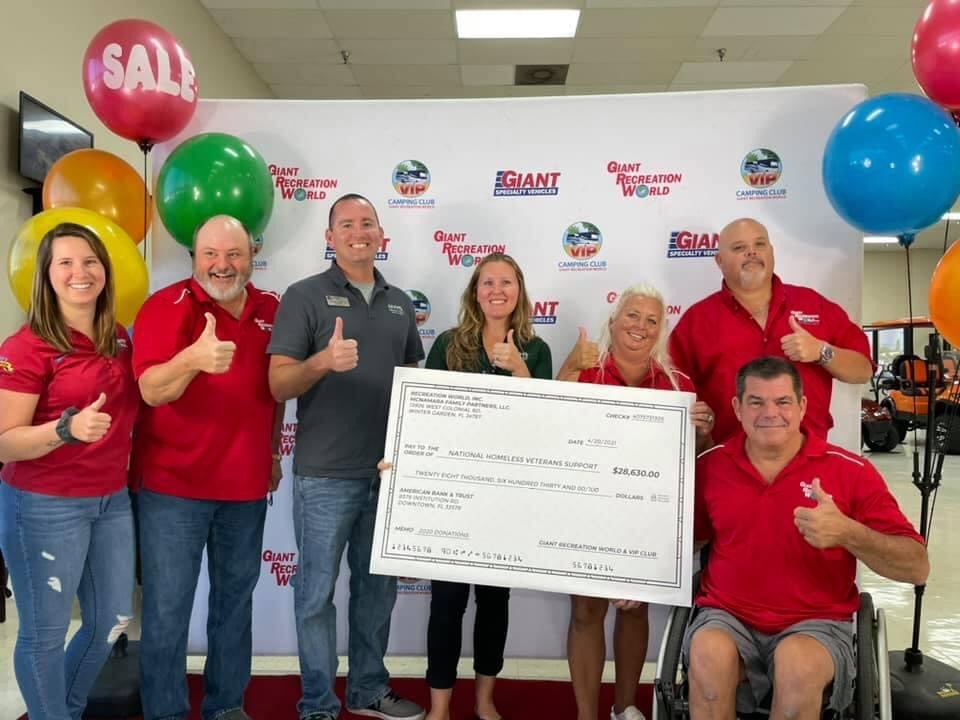
Giant Recreation World Supports NVHS
A big hug 🥰 and thanks to Giant Recreation World for their ongoing support and $28,630 donation! Special thanks to GRW's VIP Camping Club whose help has enabled ongoing support to NVHS year after year, with a total of $136,000 contributed since 2015!!! @https://m.facebook.com/GiantRecreationWorld/