
How to Share Veteran Resources Responsibly
Sharing a phone number or forwarding a link may seem like a simple way to help a veteran. Sometimes it is. But when someone is facing homelessness, financial hardship, mental health concerns, or another urgent challenge, simply saying “call this number” may leave them with more questions than answers.
A useful referral gives a veteran a clear starting point, explains what the resource can and cannot provide, and points to the right next step. For community members, employers, faith groups, nonprofits, and local organizations in Brevard County, responsible sharing can reduce confusion and help veterans reach appropriate support sooner.
We make community resources easier to navigate through our website, Resource Navigator, and direct assistance programs. If you want to help strengthen veteran support in Brevard County, volunteer with NVHS or donate now to support the programs that connect veterans with stability.
Why Accurate Referrals Matter
A veteran may already feel overwhelmed when searching for assistance. An outdated website, disconnected phone number, unclear eligibility requirement, or resource that serves a different population can create another barrier.
A Referral Should Answer More Than “Who Do I Call?”
Before sharing a resource, consider whether the information helps the veteran understand:
- What the organization provides
- Who may qualify
- Where the service is available
- Whether the resource addresses the veteran’s specific need
- How to start the application or referral process
- Whether the service handles emergencies
- Whether the information needs to be confirmed before use
Our current Veteran Resources guide brings together housing, health care, financial, legal, family, and other community resources, including services available in Brevard County.
Sharing a current resource page can be more useful than copying a phone number into a text message because the veteran can review additional information and determine which option fits their circumstances.
How to Share NVHS Resources Clearly
Our resources are designed to help veterans, families, referral partners, and community members find appropriate support. That does not mean every veteran who contacts us will receive the same service.
Start With the Veteran’s Actual Need
Before making a referral, ask a simple question: “What kind of help are you looking for?”
A veteran who is worried about eviction may need homelessness prevention assistance. Someone already experiencing homelessness may need outreach or housing support. Another veteran may need health care, benefits assistance, transportation, food, or a mental health provider.
We focus our direct services on homeless, at-risk, and low-income veterans in the Central Florida area. Veterans who need help can review our Get Help page to begin the assistance process.
This distinction matters because responsible referrals do not promise a specific outcome. Instead, they help someone reach the appropriate starting point.
Using the NVHS Resource Navigator
Technology can make resource discovery easier when someone does not know where to begin. Our AI-powered Resource Navigator, available through the NVHS website chatbot, helps veterans, families, referral partners, and community members explore relevant information based on the need they describe.
How the AI Resource Navigator Can Help
Someone does not need to know the exact name of a program before using the chatbot. They can describe what they are trying to address, such as finding housing assistance, locating food resources, understanding VA benefits, finding health care, or identifying transportation support.
The Resource Navigator can help identify possible resources and a logical next step. It does not make eligibility decisions, replace individual assistance, or guarantee that a listed program currently has availability. Resource details can change, so users should contact the organization providing the service to confirm current eligibility, availability, hours, and requirements.
For community organizations sharing NVHS information, the chatbot can therefore serve as an accessible starting point rather than a replacement for direct communication.
If your organization regularly connects veterans with support, consider volunteering or donating to NVHS so our outreach, prevention, and housing programs can continue helping veterans navigate these challenges.
Sharing Crisis Resources Responsibly
Some situations require a different response from a standard community referral. A resource intended for housing assistance, benefits navigation, or general support should never be presented as an emergency service.
Know the Difference Between Resource Navigation and Crisis Response
If a veteran is experiencing an immediate suicide or mental health crisis, community members should use a qualified crisis service rather than relying on the NVHS website or chatbot.
The Get Help page currently directs people who need immediate confidential help to the Veterans Crisis Line by calling 988 and pressing 1, texting 838255, or visiting the Veterans Crisis Line website.
If there is an immediate emergency or someone faces imminent danger, call 911 or seek emergency medical assistance when it is safe to do so.
Our Resource Navigator is not an emergency response system. Making that distinction clear protects veterans and prevents well-intentioned community members from delaying appropriate crisis intervention.
How Employers, Faith Groups, and Community Organizations Can Help
Organizations often serve as trusted points of contact for veterans. A workplace supervisor, pastor, volunteer coordinator, nonprofit leader, or community advocate may be the person a veteran approaches first.
Create a Reliable Resource-Sharing Practice
Organizations can make referrals more useful by:
- Use current links. Link directly to the organization’s current resource or assistance page rather than relying on an old flyer or saved bookmark.
- Explain the resource. Tell the veteran what the organization actually does and whether it serves their location and situation.
- Include the next step. Provide the application page, contact method, or instructions instead of only providing a general homepage.
- Separate routine help from emergencies. Make sure crisis resources are clearly identified as crisis resources.
- Respect privacy. Do not publicly share a veteran’s personal circumstances simply because you are trying to connect them with assistance.
- Encourage direct confirmation. Eligibility, availability, hours, and program requirements can change.
This approach turns sharing from a simple information transfer into a more useful referral.
Community Resources Work Better When People Know How to Use Them
Brevard County has organizations addressing different parts of veteran stability. Our Local Veteran Resources in Brevard County guide includes local services and explains where veterans can look for housing, benefits, health care, food, and other assistance.
No single organization can meet every need. Our role is to help veterans navigate housing-related challenges and connect with appropriate community resources. Our programs include street outreach, prevention case management, transitional housing, and other housing-focused assistance for veterans and families who qualify.
Responsible sharing supports that broader network. When a veteran reaches the right organization with a clearer understanding of what to expect, they have a better opportunity to move forward without repeating the same search at every step.
Frequently Asked Questions About Sharing Veteran Resources
Should I share a phone number or a webpage?
Whenever possible, share the current webpage along with the phone number. A webpage can provide eligibility information, instructions, hours, and additional resources that a phone number alone cannot.
Can I recommend NVHS to any veteran?
NVHS provides direct assistance to homeless, at-risk, and low-income veterans in the Central Florida area. Eligibility and available services depend on the veteran’s circumstances.
Should I use the NVHS chatbot for an emergency?
No. The chatbot helps people navigate resources and information regarding homelessness prevention. It does not provide emergency or crisis intervention. Use the Veterans Crisis Line or emergency services when the situation requires immediate assistance.
What if I am unsure which resource to recommend?
Start with the veteran’s need rather than trying to identify the perfect program yourself. The NVHS Resource Navigator can help identify relevant options, while direct contact with NVHS or another service provider can provide more individualized guidance.
Help Make Veteran Support Easier to Reach
Responsible resource sharing does not require you to be an expert in every veteran program. It requires using current information, explaining what a resource can provide, recognizing when a situation requires emergency assistance, and respecting the veteran’s privacy and choices.
When community members share accurate information, they can help reduce the confusion that often stands between a veteran and needed support. Employers, faith communities, nonprofits, donors, and volunteers all have an opportunity to strengthen the local network by making reliable resources easier to find and understand.
Our work depends on community members who believe veterans deserve a clear path toward stability. Volunteer or donate to NVHS today and help us continue outreach, prevention, housing assistance, and resource navigation for veterans in Brevard County.



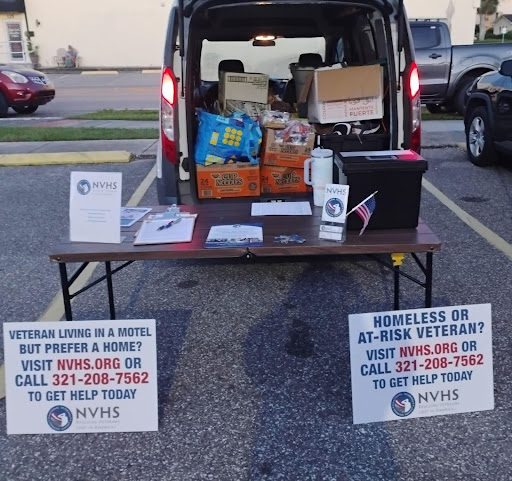
The Realities of Veteran Homelessness in Brevard County
Veterans in Brevard County face challenges many of us cannot imagine. After serving our country, some find themselves without stable housing, meals, or access to healthcare. Homelessness is not a statistic; it is a daily reality that affects physical health, emotional well-being, and the ability to reconnect with family and [...]
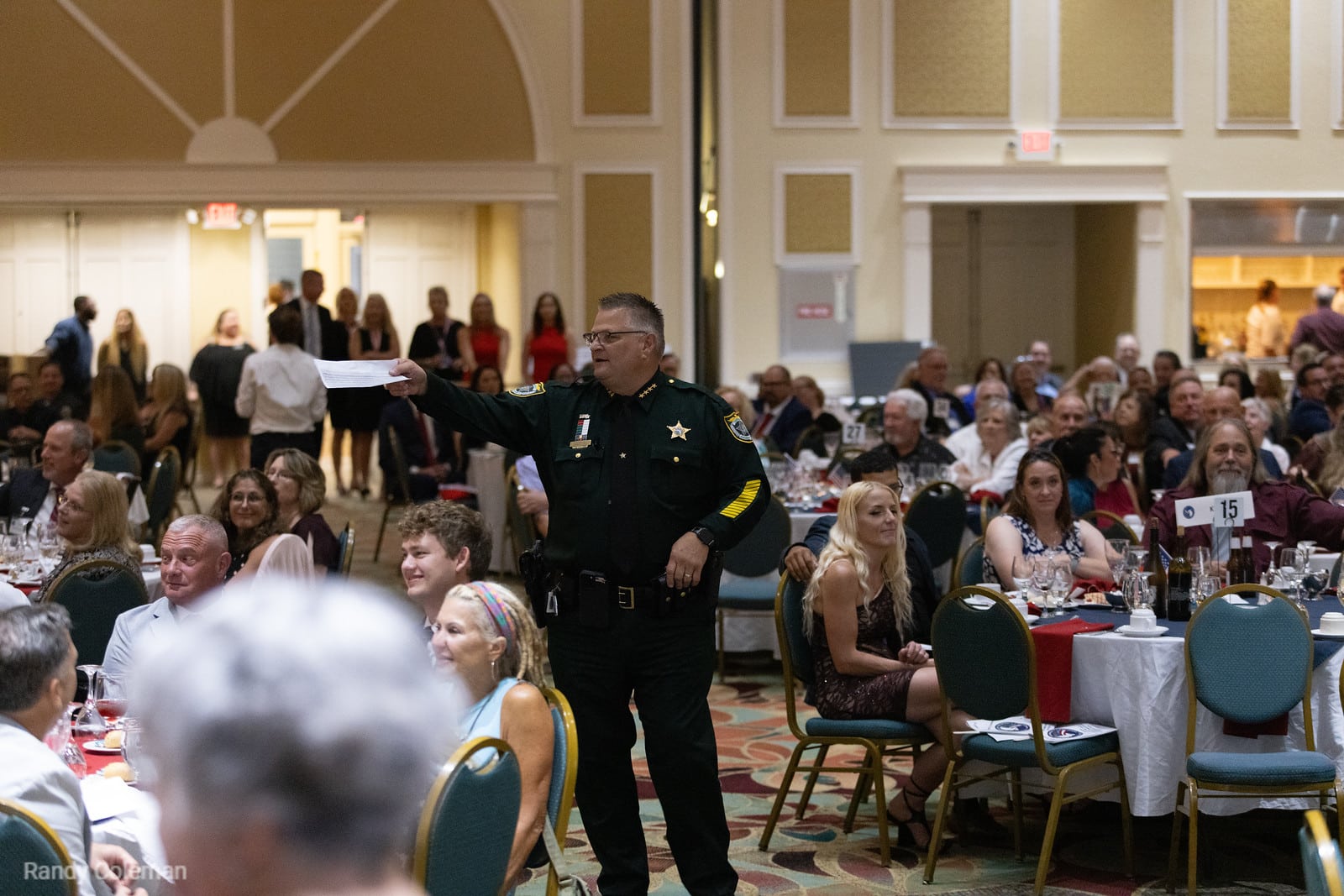
A Sheriff’s Perspective: What It Means to Serve Veterans Truly
A Sheriff's Perspective: What It Means to Serve Veterans Truly When we talk about serving veterans in Central Florida and beyond, we often think of ceremonies, salutes, or plaques on the wall. But for many of our nation's heroes, especially those facing homelessness, mental health challenges, or isolation, true service [...]
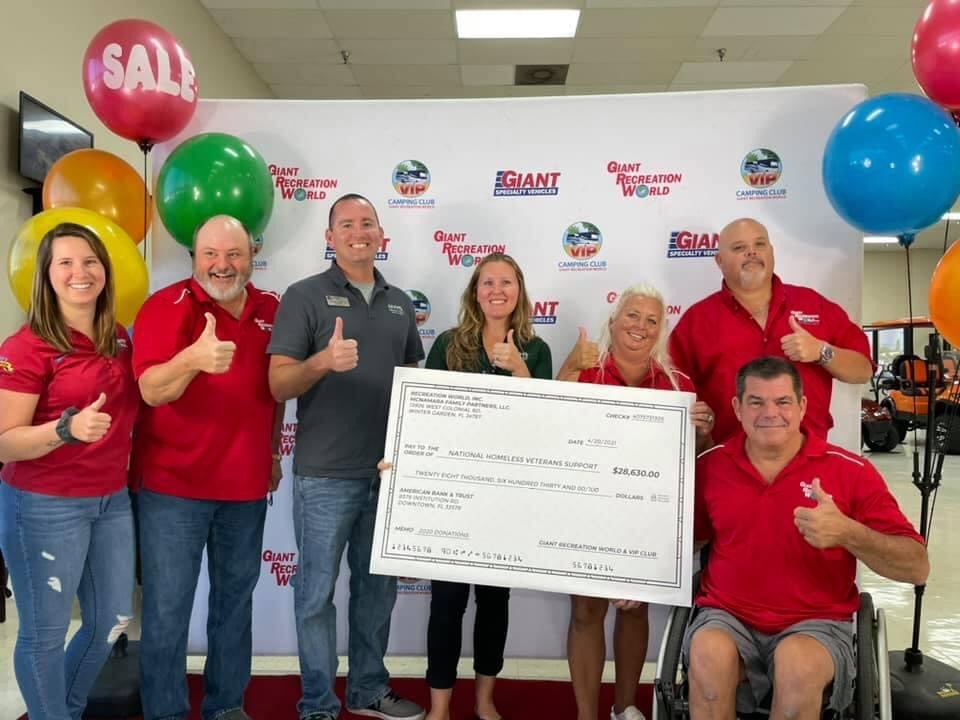
Giant Recreation World Supports NVHS
A big hug 🥰 and thanks to Giant Recreation World for their ongoing support and $28,630 donation! Special thanks to GRW's VIP Camping Club whose help has enabled ongoing support to NVHS year after year, with a total of $136,000 contributed since 2015!!! @https://m.facebook.com/GiantRecreationWorld/