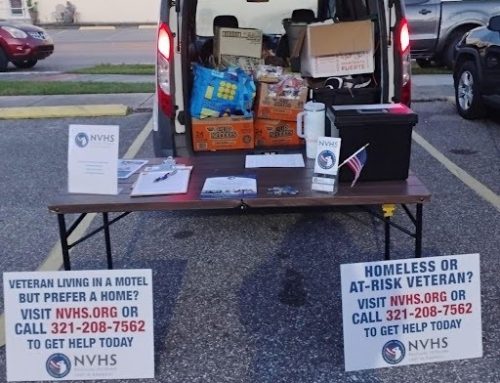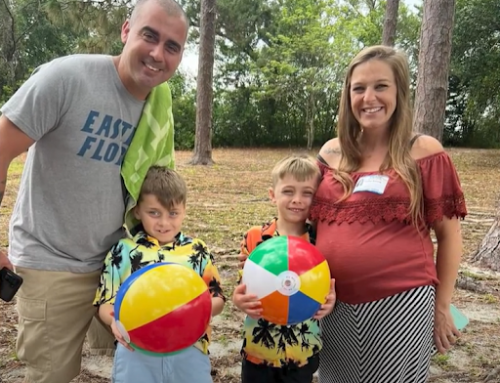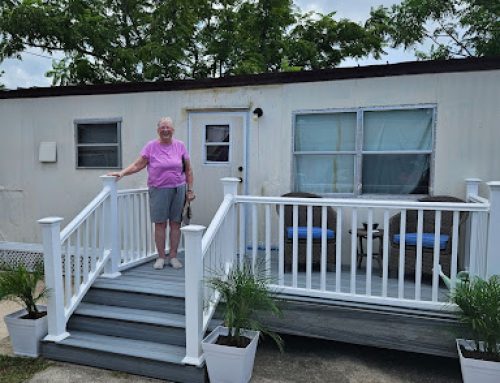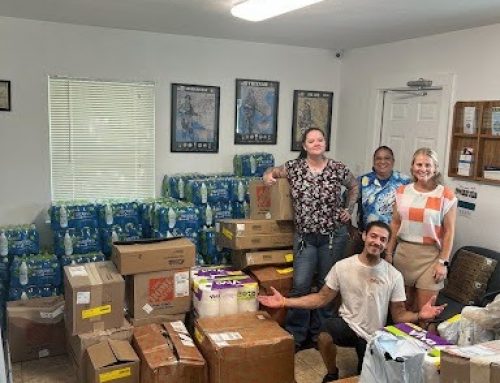
Many people underestimate the role of case management. Veterans and their families can struggle to access resources without guidance, leaving them vulnerable to housing instability, financial stress, and health challenges. Case management bridges these gaps by connecting people to the support they need and helping them navigate complex systems.
Understanding the true value of case management validates the time, energy, and resources invested in these programs. When veterans gain access to transitional housing, mental health services, or job training, they are not simply meeting immediate needs. 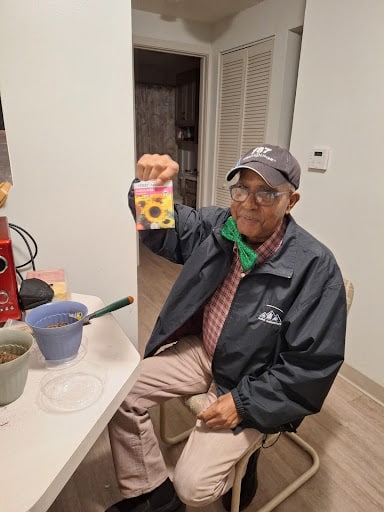
They are building the foundation for independence, self-sufficiency, and a stable future. Learning how case management works gives veterans and their families confidence that support is not only available but effective.
Consistent coordination and proactive follow-up reduce the risk of backsliding into homelessness or crisis. A case manager helps identify potential challenges before they escalate, connects people with community resources, and ensures that progress is sustainable. By creating a safety net and supporting long-term planning, case management transforms transitional support into lasting independence. Find out how you can help.
Understanding the Impact of Coordinated Support
Many veterans face multiple challenges at once, from finding stable housing to managing physical and mental health. Searching for services independently can be overwhelming. Case managers act as guides, ensuring that no need is lost. They assess each situation individually and create tailored plans that balance short-term recovery with long-term goals.
Transitional housing becomes more than a temporary shelter when paired with case management. Case managers help veterans learn budgeting, cooking, and time management skills while ensuring that supportive services remain accessible. This approach prevents homelessness by addressing the root causes of instability, rather than simply reacting to crises. Veterans gain confidence in their ability to live independently and maintain the progress they have worked hard to achieve.
When a veteran faces setbacks, such as job loss or medical emergencies, a case manager ensures a plan is in place. They maintain regular contact, track progress, and coordinate additional resources if needed. This proactive follow-up reduces the chances of returning to unstable living situations, creating a bridge between immediate needs and long-term independence.
Building Connections to Community Resources
Access to services is not always straightforward. Local agencies, healthcare providers, and housing programs each have unique eligibility requirements, and navigating them alone can be frustrating. Case managers understand the systems and know how to link veterans with the right support at the right time.
Homelessness prevention programs rely on timely intervention, and case managers play a critical role in identifying early warning signs. By coordinating support, they help veterans maintain housing stability, access therapy, and obtain employment or training opportunities. Veterans feel supported in ways that reduce stress and improve overall well-being.
Case managers also foster connections to specialized services, such as search-and-rescue operations for veterans in rural or remote areas. These services ensure safety and access during emergencies, which is an essential part of long-term planning. Knowing that a network exists beyond immediate housing and employment needs gives veterans and their families confidence to plan for the future.
Encouraging Independence Through Skill Development
Case management focuses on more than crisis resolution. It emphasizes skill-building that supports lasting independence. Veterans learn financial literacy, problem-solving, and self-advocacy skills, which are essential for maintaining stable housing and employment. Each milestone achieved under the guidance of a case manager strengthens confidence and fosters resilience. 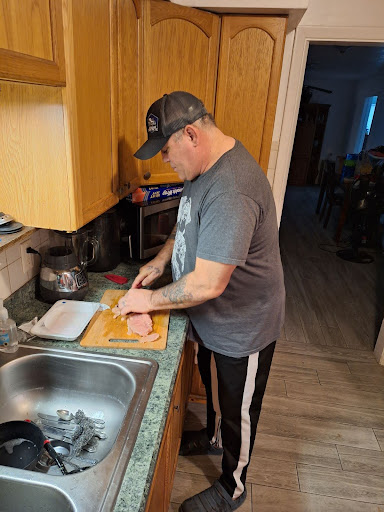
Transitional housing programs paired with case management create structured environments where veterans can practice new skills while receiving guidance. Cooking classes, budgeting workshops, and career coaching sessions teach practical knowledge that has a long-term impact. Over time, these lessons reduce reliance on emergency services and increase the ability to thrive independently.
By integrating life skills development with access to community resources, case management prepares veterans to face challenges proactively. Rather than simply reacting to problems as they arise, veterans develop tools to solve issues on their own, thereby enhancing stability and reducing dependence on temporary assistance.
Sustaining Progress Through Personalized Care
No two veterans face the same challenges, and case management recognizes this. Personalized care plans take into account individual goals, circumstances, and strengths. Case managers regularly review progress, adjust plans as needed, and help veterans navigate setbacks with minimal disruption.
Regular follow-up ensures that achievements are maintained. A veteran who secures transitional housing and gains employment still benefits from ongoing support in healthcare access, mental health, and community engagement. These interventions prevent setbacks before they occur and encourage continuous growth toward independence.
Case management also acts as a central point of coordination. When multiple service providers are involved, a case manager ensures clear communication, aligned goals, and efficient use of resources. This coordination allows veterans to focus on building their futures rather than managing the logistics of support systems.
Making a Lasting Difference With NVHS
NVHS offers comprehensive case management tailored to the needs of veterans. By combining transitional housing, supportive services, and proactive follow-up, NVHS empowers veterans to maintain independence long after immediate crises have passed. Each case manager works closely with veterans to develop personalized plans, connect them with community resources, and ensure that progress is sustainable.
Through homelessness-prevention efforts, NVHS helps veterans avoid setbacks that could jeopardize their housing stability. Case managers monitor progress, address challenges, and guide veterans through life transitions. The result is not only a safe place to live but a roadmap to long-term success.
By providing guidance, advocacy, and skill development, NVHS case managers help veterans regain confidence and control over their lives. Veterans learn to navigate housing, employment, and healthcare systems independently while maintaining a safety net for emergencies. Search & rescue connections, community referrals, and continuous support create a network of security that reinforces independence at every stage.
We Help Veterans
Case management transforms temporary assistance into long-term independence. Through personalized guidance, skill development, and careful coordination, veterans gain the tools needed to maintain housing, access resources, and thrive in their communities. NVHS offers structured support that prevents setbacks, encourages self-sufficiency, and validates the investment in each veteran’s future.
By understanding the value of case management and working with experienced professionals, veterans can achieve lasting stability, overcome obstacles, and build fulfilling lives. Transitional housing becomes a launching point rather than a temporary solution, and homelessness prevention strategies become proactive rather than reactive.
NVHS demonstrates that long-term independence is achievable when care is coordinated, consistent, and focused on empowering the individual.