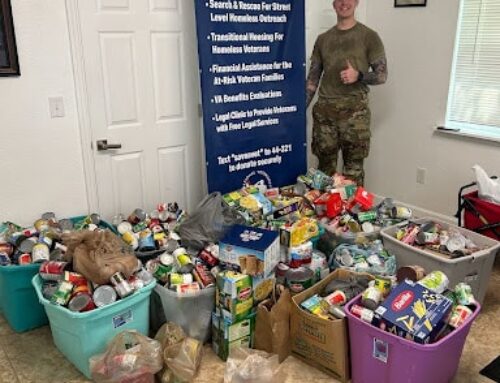
Transitioning from military service to civilian life can be both rewarding and challenging. For many veterans, the skills, discipline, and experiences gained in the service do not always translate easily into civilian work, relationships, or routines. Unfortunately, these challenges can become even heavier when mental health concerns are involved. Research shows that the presence of mental disorders, whether substance-related disorders or other mental illnesses, is one of the strongest predictors of veterans experiencing homelessness after discharge. Every veteran deserves a safe place to live and the resources to rebuild their life. Call NVHS today and take the first step toward a more secure future.
The Invisible Battles Veterans Experience
 Mental health conditions are common among veterans, often resulting from exposure to combat, trauma, or the high-stress environment of military service. Post-traumatic stress disorder (PTSD), depression, anxiety, bipolar disorder, and substance use disorders are all more prevalent among veterans than in the general population. According to the U.S. Department of Veterans Affairs, nearly one-quarter of veterans receiving VA care report at least one mental health condition. Studies consistently show that veterans with mental disorders are at increased risk of homelessness and other serious life disruptions.
Substance-related disorders (SUD) are particularly concerning. Alcohol misuse, prescription drug misuse, and illicit drug use are common coping mechanisms for veterans struggling with trauma or stress. These disorders do not exist in isolation. They often co-occur with other mental health conditions, creating a compounding effect that can significantly disrupt a veteran’s life. Research indicates that veterans with SUD are more likely to experience unstable housing, unemployment, and social isolation, all of which increase the likelihood of homelessness.
The Connection Between Mental Disorders and Homelessness
The link between mental disorders and homelessness among veterans is complex but well-established. A veteran coping with PTSD, depression, or substance use disorder may face difficulties maintaining steady employment, managing finances, or sustaining personal relationships. Without a strong support network, these challenges can quickly escalate into housing instability.
In fact, studies show that veterans with a history of mental illness are significantly more likely to become homeless than their peers without such conditions. One analysis found that lifetime mental health conditions, including PTSD and depression, substantially increase the odds of homelessness after military discharge. When combined with substance use disorders, these risks multiply, creating a cycle that is difficult to break without targeted support and intervention. Do not wait another day to get the help you deserve. NVHS is ready to connect you with housing, healthcare, and social services to help you regain stability.
Barriers to Care
 Accessing care can be another significant obstacle for veterans. Only 47% of all veterans are enrolled in the VA Healthcare System, leaving a large number either not receiving care or seeking it through non-VA providers who may not be fully familiar with veteran-specific mental health concerns. While programs such as the MISSION Act have expanded access to non-VA healthcare providers, gaps remain, especially for veterans who are homeless or at risk of becoming homeless.
Additionally, the stigma surrounding mental health in military culture can prevent veterans from seeking help. Many fear being judged, losing opportunities, or being seen as weak. This hesitation can allow mental health conditions to worsen over time, further increasing the risk of homelessness and other negative outcomes.
Early Intervention and Support Can Make a Difference
Despite these challenges, mental disorders in veterans are manageable with proper care and support. Early intervention, access to treatment, and stable housing can dramatically improve outcomes. Cognitive-behavioral therapy, trauma-informed care, substance use treatment, and social support programs have all been shown to reduce the risk of homelessness among veterans living with mental health disorders.
Programs tailored to veterans’ unique experiences are especially effective. For example, residential treatment programs that address co-occurring mental health and substance use disorders help veterans regain stability and rebuild their lives. Community-based organizations that provide housing assistance, counseling, and resource navigation also play a crucial role in preventing homelessness and supporting recovery.
NVHS as a Lifeline for Struggling Veterans
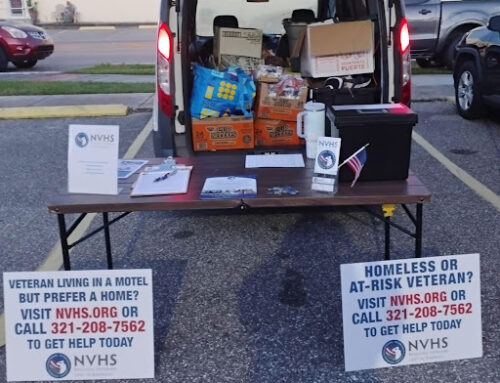
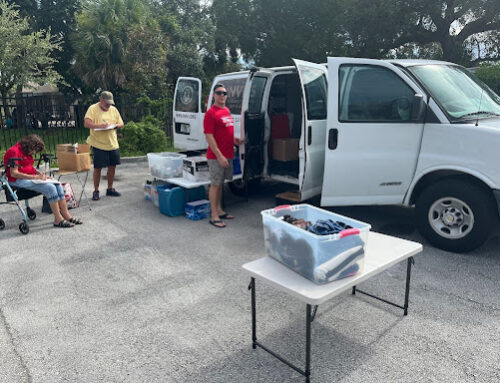
This is where National Veterans Homelessness Support (NVHS) comes in. NVHS specializes in helping veterans who are at risk of or experiencing homelessness, particularly those dealing with mental health and substance use disorders. NVHS connects veterans to safe housing, mental health care, and social services designed specifically for their needs. For many veterans, reaching out to NVHS is the first step toward regaining stability, reconnecting with support networks, and accessing treatment for mental health conditions. You have given so much in service to our country. Now it is time to take care of yourself. Call NVHS and begin your path to safety, support, and hope.
 You Have People Ready to Help
If you are a veteran struggling with mental health issues, substance use, or housing instability, it is important to know that you are not alone. Many veterans face similar challenges, and help is available. Reaching out for support is not a sign of weakness. It is an act of courage and self-respect. Taking that first step can prevent further hardship and open the door to a life of stability, health, and purpose.
Begin Your Journey Toward Stability and Care
Every day, veterans are reclaiming their lives with the right support. You deserve that support, too. NVHS is ready to provide guidance, resources, and compassionate care tailored to your unique situation. Whether you need help finding safe housing, accessing mental health treatment, or connecting with social services, we can guide you every step of the way.
Do not wait another day. Contact our team today and take the first step toward a more stable, hopeful future. Your service to our country deserves recognition, care, and support, and NVHS is here to provide it.