
Hurricane Season Prep for Veterans: What to Do Before a Storm Hits
Hurricane season starts June 1. Storms may disrupt transport, close shelters, and make it hard for veterans to get medication or stay connected. Veterans with instability or limited finances face a higher risk if they wait for storms to approach.
Preparation gives veterans more control as conditions change. A plan protects documents, secures medical care, and eases evacuation decisions. Early action reduces last-minute confusion when supplies run low, and emergency services are overloaded.
Every veteran deserves time to prepare before storms threaten. Small steps now make a difference when severe weather comes.
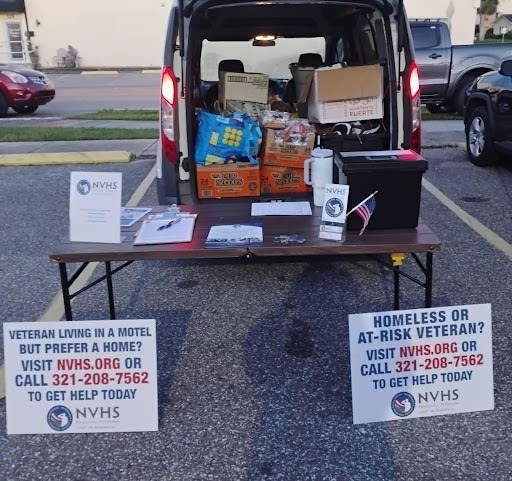
Act now by donating emergency supplies, hygiene items, food, or essentials that help veterans facing summer storms.
Why Early Hurricane Preparedness Matters
Storms can change quickly. What seems distant may soon hit or cause flooding. Veterans who wait may face crowded stores and few shelters.
Being prepared lets veterans focus on safety. When items are ready and a plan exists, decision-making during emergencies is simpler.
Preparation also helps veterans:
- Protect personal records and identification.
- Maintain access to medications and medical equipment.
- Stay connected with family, friends, and support organizations.
- Identify safe shelter options before demand increases.
- Reduce anxiety during evacuations and emergency situations.
Secure Important Documents Before Storm Season
Losing documents in a hurricane can delay access to benefits, health care, or financial services for weeks.
Documents to Gather and Protect
Create a folder or waterproof container that includes:
- Government-issued photo identification
- Social Security card
- Veterans Affairs documentation
- Health insurance cards
- Medical records and prescriptions
- Birth certificate
- Housing or lease documents
- Bank account information
- Emergency contact information
Store physical copies in a waterproof container and keep digital copies on a secure device or cloud storage platform. If evacuation becomes necessary, these records should be easy to grab and transport.
Make a Medication Plan Before an Emergency

Storms can make it difficult to access prescriptions, equipment, or treatment.
Steps to Protect Your Health
Review prescriptions before hurricane season. Refill medications when possible. Keep a current list of medications, dosages, providers, and pharmacy contacts.
Veterans who use medical devices needing electricity should find backup power options and locate emergency support services nearby.
A medication plan should also include:
- A supply of essential medications
- Copies of prescriptions
- Medical provider contact information
- Information about allergies and medical conditions
- Emergency instructions for specialized care needs
Taking these steps before a storm helps prevent treatment interruptions during crises.
Know Where You Will Go If You Need to Leave
Shelter planning is crucial. Waiting until evacuation orders are issued limits choices and increases stress.
Identify Shelter Options Early
Veterans should know safe alternatives if their home becomes unsafe, including staying with family or friends or at shelters.
Research local shelter locations before hurricane season begins. Verify whether shelters can accommodate pets, medical equipment, or specific accessibility needs.
Plan Transportation
Getting to safety becomes harder as storms approach. Decide on evacuation plans early.
Consider:
- Available personal transportation
- Public evacuation routes
- Local emergency services
- Friends or family who may assist
A transportation plan removes uncertainty when rapid evacuation is necessary.
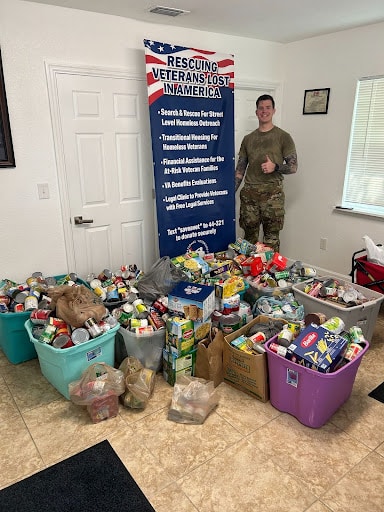
Support veterans before and after storms. Donate backpacks, flashlights, batteries, bottled water, hygiene products, or first-aid supplies today to help us equip veterans for emergencies.
Build an Emergency Contact Network
Phone and internet may fail during hurricanes.
Create a Contact List
Every veteran should maintain a written list of important contacts, including:
- Family members
- Friends
- Medical providers
- Case managers
- Veterans service organizations
- Emergency assistance resources
Store contact lists in your wallet, kit, and mobile phone.
Choose an Out-of-Area Contact
An out-of-area contact can help coordinate communication if local networks become overloaded. Family members and friends can check in through that person and share updates when direct communication is difficult.
A communication plan keeps veterans connected during and after a storm.
Assemble Basic Emergency Supplies
Basic supplies help during outages or evacuations. Stock your kit over time for easier use.
Essential Hurricane Preparedness Supplies
A basic emergency kit should include:
- Drinking water
- Nonperishable food
- Flashlights
- Extra batteries
- First-aid supplies
- Cell phone chargers
- Personal hygiene items
- Weather radio
- Blankets
- Extra clothing
- Cash in small denominations
- Important documents in waterproof storage
Veterans should personalize kits to their own needs, such as medications, mobility aids, or pet supplies.
Review and Update Your Plan Throughout Hurricane Season
Preparation is ongoing. Update emergency plans as things change.
Review emergency supplies regularly and replace expired items. Update contact information when phone numbers or addresses change. Confirm that important documents remain accessible and protected.
Veterans who move, change health care providers, or experience changes in housing should revisit their preparedness plans as soon as possible.
Consistent preparation keeps plans effective during severe weather.
Supporting Veterans Before the Next Storm
Hurricanes affect everyone, but veterans facing instability see more barriers. Access to supplies and transport is harder without stable housing or finances.
We work to help veterans build stability before emergencies occur because preparation strengthens resilience. Every donated item, emergency supply, and community contribution helps veterans face hurricane season with greater confidence and security.
Prepare ahead: gather documents, medications, shelter options, emergency contacts, and supplies so veterans can respond quickly as conditions change.
Help veterans prepare for summer storms by making an in-kind donation today. Every emergency supply, hygiene product, meal, or bottle of water you provide gives veterans the resources they need to face hurricanes safely and recover with dignity.