
Heat Safety for Veterans in Central Florida: Summer Tips That Matter
Summer in Central Florida brings more than sunshine and long days. High temperatures, intense humidity, and prolonged exposure to the elements can create serious health risks, especially for veterans facing housing instability. When someone lacks reliable access to air conditioning, transportation, clean water, or safe shelter, even a typical summer day can become dangerous.
Heat-related illnesses often develop faster than many people realize. A veteran may begin the day feeling fine and end it experiencing dehydration, heat exhaustion, or a medical emergency that requires immediate attention. These situations can often be prevented with the right information and preparation.
Follow timely guidance to stay safe. Learn how to stay hydrated, find cooling resources, recognize warning signs, and act early. Act before the heat becomes dangerous by taking simple, preventive steps.
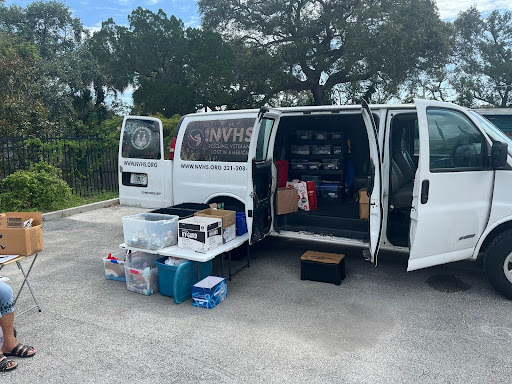
Donate bottled water, electrolyte drinks, cooling towels, sunscreen, hygiene supplies, and other essentials to help veterans stay safe this summer. Your contributions protect veterans from heat-related dangers.
Why Summer Heat Creates Unique Risks for Veterans
Central Florida’s climate places significant stress on the body. High humidity reduces the body’s ability to cool itself through sweating, which increases the risk of overheating. Veterans who spend extended periods outdoors face even greater exposure.
Housing instability can exacerbate these risks. Veterans may not have consistent access to air-conditioned spaces, refrigeration for beverages, transportation to cooling centers, or secure places to rest during the hottest parts of the day.
Certain health conditions and medications can also increase vulnerability to heat-related illness. Veterans managing chronic medical issues may experience symptoms more quickly than expected when exposed to extreme heat.
Heat preparedness starts with recognizing these realities and planning accordingly.
Stay Hydrated Before You Feel Thirsty
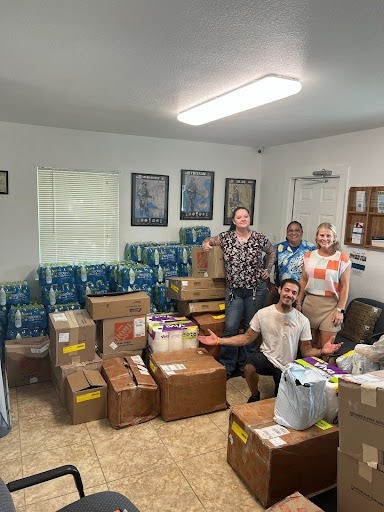
Hydration serves as one of the most effective tools for preventing heat-related illness. Many people wait until they feel thirsty before drinking water, but thirst often signals that dehydration has already begun.
Hydration Tips That Make a Difference
Drink water regularly, especially when outdoors. Hydration helps your body cool itself and maintain energy.
Consider these practical hydration strategies:
- Carry a refillable water bottle whenever possible.
- Drink water regularly throughout the day.
- Increase water intake during outdoor activities.
- Limit beverages with excessive caffeine.
- Replace fluids lost through sweating.
- Seek locations where free drinking water is available.
Electrolyte replacement may also help during periods of prolonged heat exposure, especially when sweating heavily.
Watch for Early Signs of Dehydration
Common warning signs include:
- Dry mouth
- Headache
- Fatigue
- Dizziness
- Dark-colored urine
- Muscle cramps
Address symptoms immediately to prevent complications.
Find Cooling Opportunities Throughout the Day
Access to cooler environments plays a major role in heat preparedness. Even short periods spent in air-conditioned spaces can lower body temperature and reduce heat-related risks.
Identify Cooling Locations in Advance
Veterans should know where they can safely cool down before temperatures become dangerous. Potential options may include libraries, community centers, veteran resource organizations, shopping centers, and public buildings.
List nearby cooling locations now so you can act quickly when needed.
Plan Around Peak Heat Hours
Do outdoor activities in the morning or evening, not in the afternoon.
Reducing direct exposure during peak heat hours helps lower the risk of overheating and exhaustion.
Use Shade and Protective Clothing
The Florida sun can quickly raise body temperature, especially when someone spends extended time outdoors.
Simple Ways to Reduce Heat Exposure
Find shade whenever you are outside. It offers instant relief from the sun.
Protective measures include:
- Wearing lightweight clothing
- Choosing loose-fitting garments
- Using wide-brimmed hats
- Applying sunscreen regularly
- Taking frequent breaks from direct sunlight
Make these small changes today to reduce heat stress.
Help us equip veterans with summer essentials by donating hats, cooling towels, sunscreen, reusable water bottles, hygiene kits, and other practical supplies. In-kind donations allow us to provide resources that support heat safety and daily well-being.
Recognize the Warning Signs of Heat Illness
Many heat-related emergencies begin with symptoms that people dismiss or overlook. Recognizing these signs early can prevent a serious medical situation.
Heat Exhaustion Symptoms
Heat exhaustion often develops after prolonged exposure to high temperatures.
Symptoms may include:
- Heavy sweating
- Weakness
- Nausea
- Headache
- Dizziness
- Cool or clammy skin
- Muscle cramps
If you notice heat exhaustion, go to a cool place, rest, and drink fluids at once.
Heat Stroke Requires Emergency Action
Heat stroke is a medical emergency that can become life-threatening.
Warning signs may include:
- Confusion
- Slurred speech
- Loss of consciousness
- Hot, dry skin
- Rapid pulse
- Very high body temperature
If you suspect heat stroke, call emergency services right away.
Build a Personal Heat Preparedness Plan
Make a plan before hot weather arrives. Preparation makes heat safety easier.
Essential Components of a Summer Safety Plan
A personal heat preparedness plan should include:
- Reliable access to drinking water
- Identified cooling locations
- Emergency contact information
- Transportation options
- Basic summer safety supplies
- Awareness of personal medical risk factors
Plan ahead. Reduce uncertainty and make faster decisions in extreme heat.
Check on Others When Temperatures Rise
Check on other veterans during hot days. Stay connected to stay safe.
A brief conversation or wellness check can identify concerns before they become emergencies. Community support remains one of the strongest tools for reducing heat-related risks.
When to Seek Help
If you feel dizzy, confused, or weak, find a cool place and get help immediately.
Community resources, health care providers, emergency services, and veteran support organizations can provide assistance when heat-related concerns arise. Acting early often prevents more serious health consequences.
Seek help fast. This is a safety decision, not a weakness.
Protecting Veterans During Central Florida’s Hottest Months
Summer heat in Central Florida presents real challenges, particularly for veterans facing housing instability and limited access to resources. High temperatures and humidity can quickly create dangerous conditions, but timely guidance and practical preparation help reduce risk.
Focus on heat basics: hydrate, cool down, seek shade, know warning signs, and ask for help.
Our mission includes helping veterans access the resources they need to remain safe throughout the summer. Community support strengthens those efforts and helps us reach more veterans before heat-related problems develop.
Make an in-kind donation to support veterans this summer. Bottled water, cooling supplies, hygiene products, sunscreen, hats, electrolyte drinks, and other essentials help us provide meaningful assistance and promote heat preparedness when it matters most.